
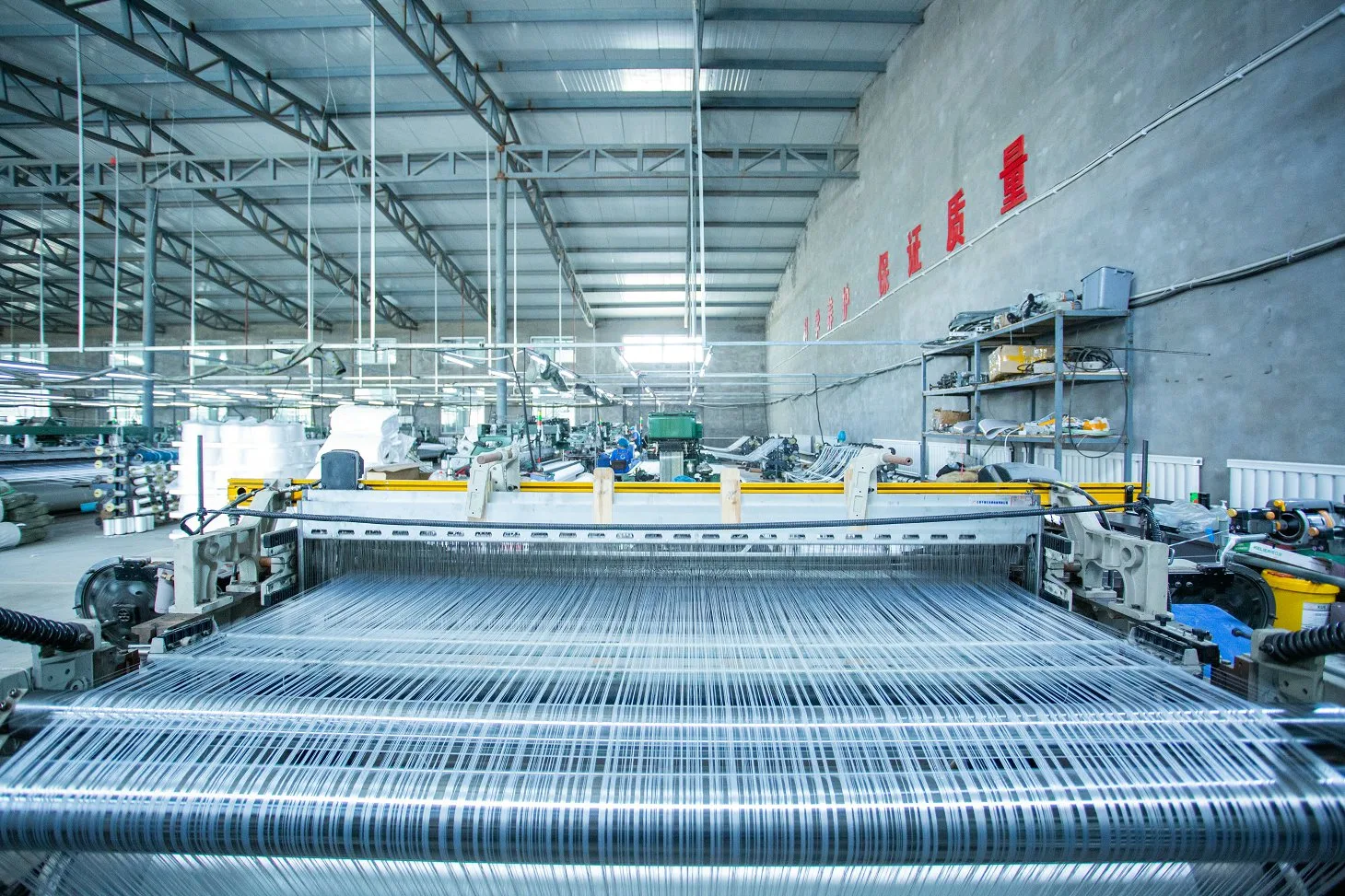
GRI GT16: The Grouted Mattress Standard Explained
Quick Summary
GRI GT16 is the standard every grouted mattress specification references. Here's what it tests, what the minimum values mean, and how to use it when comparing suppliers.
Quick Answer: GRI GT16 is the Geosynthetic Research Institute test standard for Geotextile Grout-Filled Mattresses. It specifies minimum fabric properties (tensile strength ≥1,200 N, UV resistance ≥70%) and filled-system properties (compressive strength ≥17 MPa, seam peel ≥500 N/m). Always insist on independent third-party test certificates.
Every engineer who writes a grouted mattress specification eventually references GRI GT16. But few have read the actual test method in full — and fewer still know how to use it as a procurement tool to distinguish a quality manufacturer from a low-cost imitator.
This article covers what GRI GT16 tests, what the minimum values mean in practice, how to embed it correctly in your specification, and the specific certificates you should request when evaluating any supplier. If you are still at the product selection stage, read What Is a Grouted Mattress first.
What Is GRI GT16?
GRI GT16 is a test standard published by the Geosynthetic Research Institute (GRI), a not-for-profit research organisation based at Drexel University, Philadelphia. GRI standards are widely adopted in geosynthetics engineering because they fill gaps not covered by ASTM or ISO standards for newer material categories.
GT16 was developed specifically for Geotextile Grout-Filled Mattresses — a product category that did not exist when most ASTM geotextile standards were written. It covers two distinct property categories:
- Unfilled fabric properties — properties of the woven geotextile tested before grouting
- Filled system properties — properties of the completed mattress after grouting and curing at 28 days
GRI GT16 is referenced in procurement specifications governed by Chinese national standards (GB), US Federal Highway Administration guidance (HEC-23), and project specifications in the Middle East, Southeast Asia, and East Africa. UK and European contracts typically reference CIRIA C742 alongside GRI GT16 for scour protection works.
What Does GRI GT16 Test?

What Fabric Properties Does GRI GT16 Specify?
| Test | Method | What It Measures | GRI GT16 Minimum |
|---|---|---|---|
| Grab tensile strength | ASTM D4632 | Resistance to tearing during deployment | ≥1,200 N (both directions) |
| Trapezoid tear strength | ASTM D4533 | Tear propagation resistance on rough subgrade | ≥500 N |
| CBR puncture resistance | ASTM D6241 | Resistance to puncture by aggregate | ≥4,500 N |
| UV degradation resistance | ASTM D4355 | % tensile strength retained after 500 hrs UV | ≥70% retained |
What Does GRI GT16 Require for the Filled System?
| Test | What It Measures | GRI GT16 Minimum |
|---|---|---|
| Compressive strength | Cured grout strength at 28 days | ≥17 MPa (C20 equivalent) |
| Seam strength — peel | Bond between adjacent stitched panels | ≥500 N/m width |
| Seam strength — shear | Shear capacity at panel-to-panel joints | ≥1,500 N/m width |
How Do You Embed GRI GT16 in Your Project Specification?
When writing a grouted mattress specification, include the following standard clause to ensure all bidders are held to the same minimum standard:
"All Geotextile Grout-Filled Mattress panels shall be manufactured and tested in accordance with GRI GT16. The manufacturer shall provide original third-party test certificates for all properties listed in GRI GT16 Table 1, issued by an accredited laboratory and dated within 24 months of the scheduled delivery date. Batch-specific certificates shall be provided prior to each shipment."
This clause does three important things: it names the standard explicitly, requires independent third-party (not self-certified) data, and limits certificate age so that old production-batch data cannot be misrepresented as current.
What Should You Request from a GGFM Supplier?
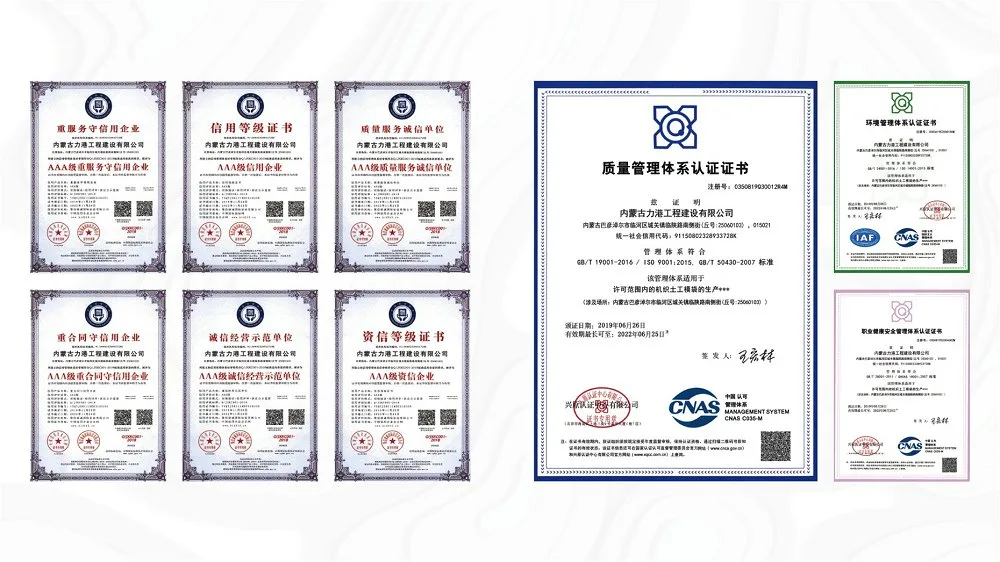
- Full GRI GT16 test report — from an accredited independent laboratory, not a manufacturer-prepared summary
- Grout strength data — 7-day and 28-day compressive strength from cube samples taken during recent production
- Seam test results — peel and shear certificates for the specific stitch type used in the panels you are purchasing
- UV degradation certificate — confirm polypropylene yarn includes UV stabiliser and the 70% retention minimum is met
- Factory quality plan — how does the manufacturer verify yarn quality, fabric weight, and stitch spacing in production?
A manufacturer who cannot provide this documentation promptly — from an independent laboratory — should not be considered regardless of price. HydroBase supplies complete third-party GRI GT16 test packs for all three variants: Standard, Filter Point, and Vegetated.
See also: articulated concrete mattress technical guide and our GGFM types and design overview for context on which GRI GT16-compliant product suits your project.
Frequently Asked Questions
How frequently should GRI GT16 test certificates be renewed?
The recommended maximum certificate age for procurement purposes is 24 months from the test date. If a manufacturer's GRI GT16 report is older than two years, request updated results — production parameters can change between batches, and yarn or adhesive suppliers may have changed. Always specify in your procurement documents that certificates must be dated within 24 months of scheduled delivery.
Can a manufacturer self-certify compliance?
No credible specification accepts self-certification. Always request the original laboratory report, verify that the laboratory holds CNAS (China), UKAS (UK), or A2LA (US) accreditation, and confirm the test date falls within the permitted window.
Is there a Chinese national standard equivalent to GRI GT16?
China's GB/T 17638 and GB/T 17639 cover geotextile tensile and puncture properties, and GB 50290 governs geosynthetics in hydraulic engineering. However, none of these specifically covers the filled mattress system performance requirements — compressive strength and seam integrity — that GRI GT16 addresses. For this reason, Chinese project specifications for grouted mattresses reference GRI GT16 directly alongside the relevant GB standards.
Request a sample GRI GT16 test certificate and product datasheet for any HydroBase grouted mattress variant — at no cost and without obligation. Our engineering team will respond within 48 hours.
HydroBase Technical Team
HydroBase manufactures grouted mattresses (GRI GT16 compliant) in China and delivers to 30+ countries. Our engineering team provides specification support, grout mix design, and installation guidance.
About HydroBaseMore Articles
View all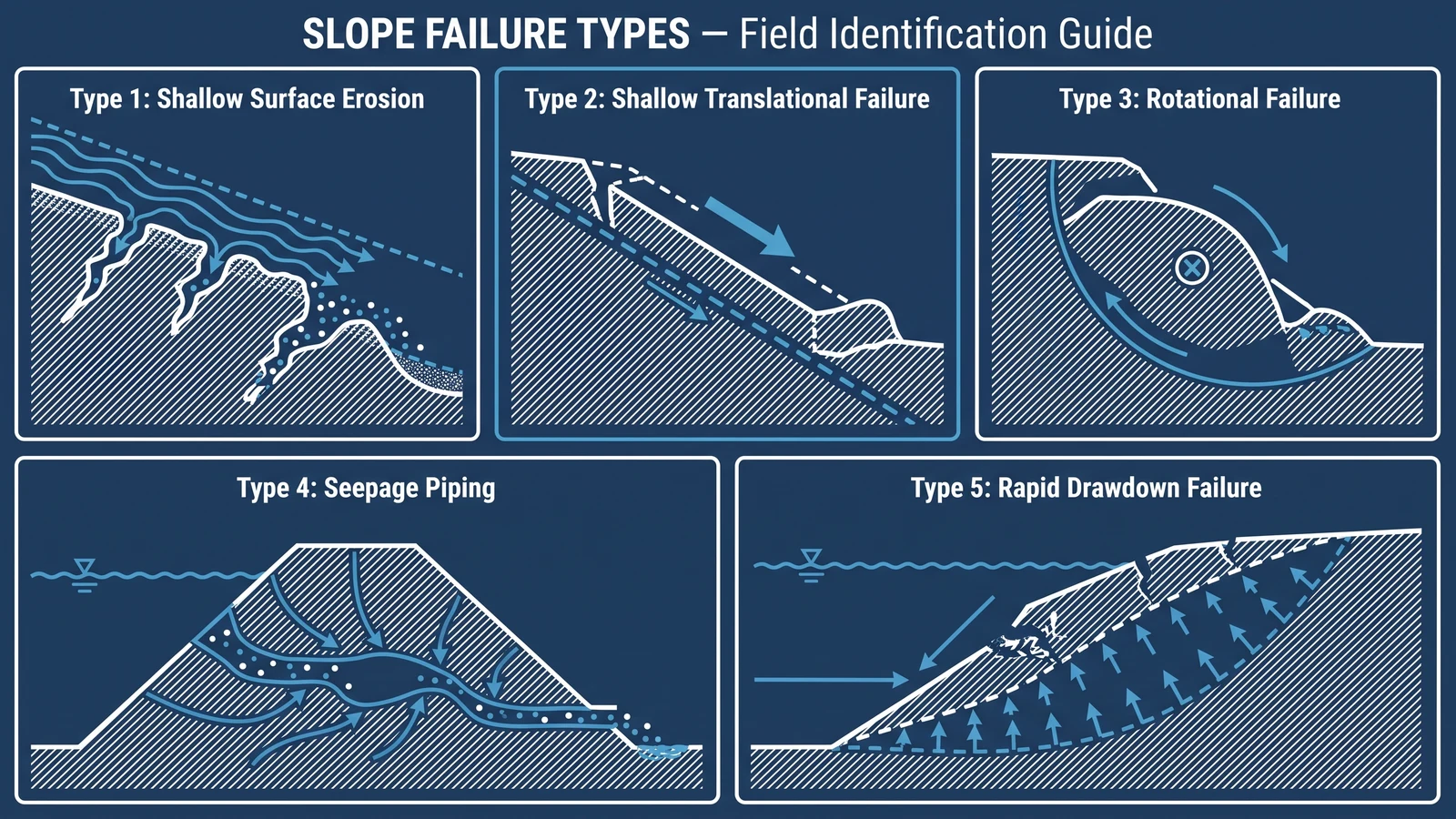
Slope Failure Causes and Prevention: Field Guide
Slope failures on canal embankments, reservoir faces, and road cuttings follow recognisable patterns. This field guide covers the five main slope failure types — shallow surface erosion, shallow translational, rotational, piping, and rapid drawdown — with prevention measures for each.
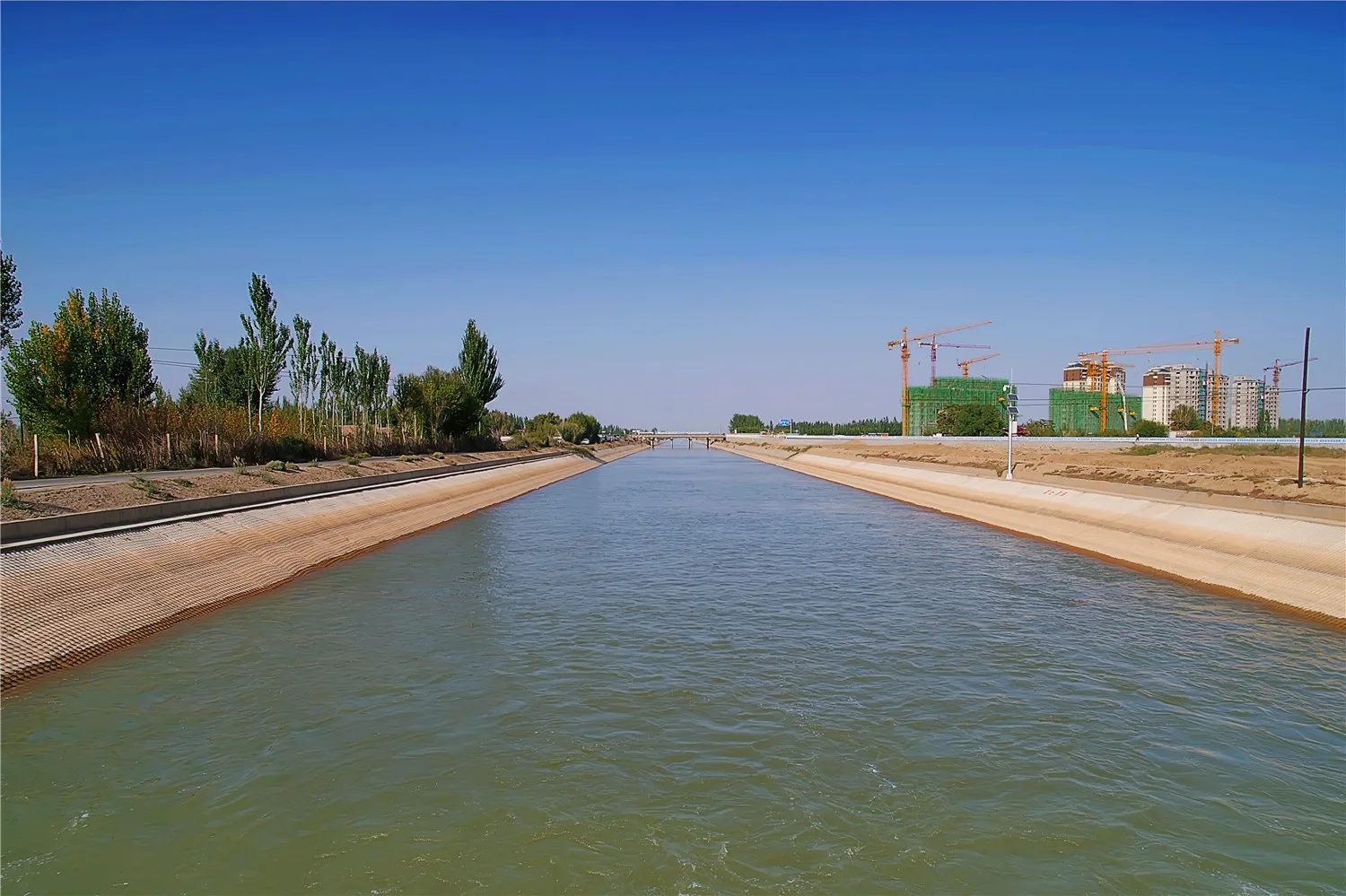
Grouted Mattress Case Studies: 5 Projects, Real Data
Five real grouted mattress installations across canal lining, river bank protection, coastal revetment, reservoir lining, and bridge pier scour — with actual project areas, design parameters, installation programmes, and post-installation performance data.
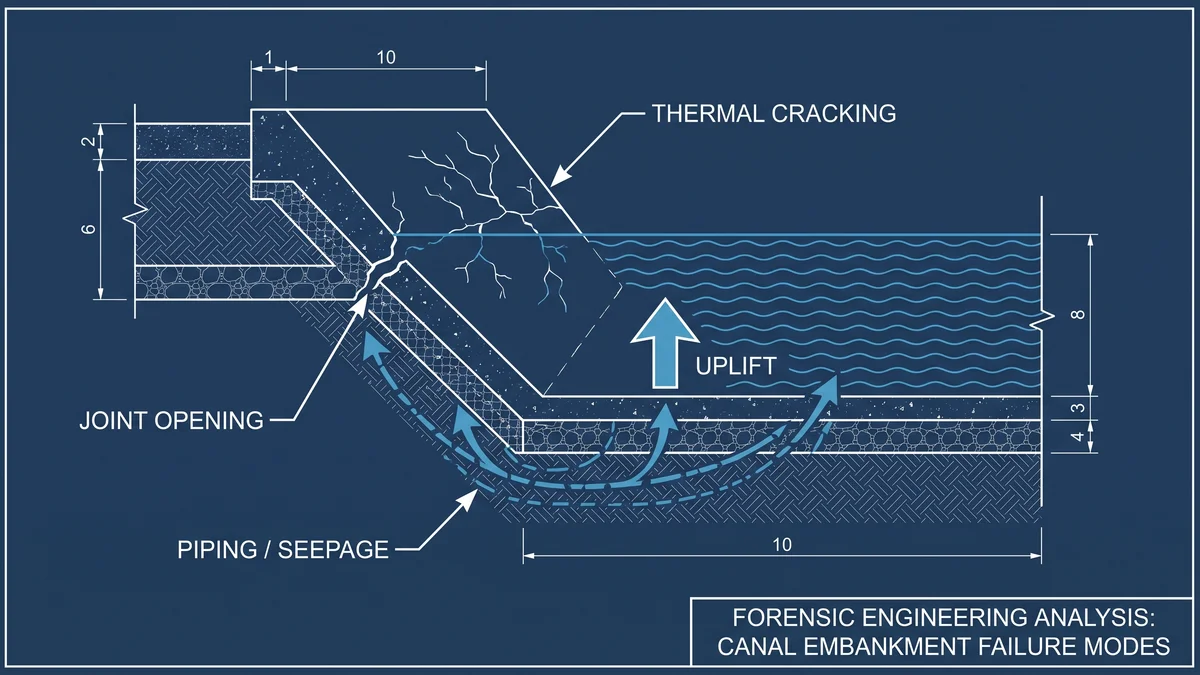
Canal Lining Failure: 7 Causes and How to Prevent Them
Canal lining failures cost irrigation authorities billions annually in emergency repairs and lost water. This forensic guide identifies the 7 most common failure causes — from joint failure to uplift — and explains how to prevent each through better specification and installation.
HydroBase - China Manufacturer
Ready to Specify Grouted Mattress?
GRI GT16 compliant products, factory test reports included. Engineering support at no cost. 48-hour response.