

Quick Answer
Grouted mattress is the preferred revetment for river bank protection, bank stabilization, and river training works where conventional rock riprap or concrete panels are impractical because of flow conditions, bank instability, or environmental restrictions. It is laid on the bank and grouted in place with the river flowing - no dewatering, no coffer dam. Rated to 6.0 m/s with 200 mm product. Conforms to any bank profile including undercut or scoured sections. It is the most cost-effective streambank erosion control solution for live-river conditions — eliminating the dewatering cost that makes alternative bank erosion methods prohibitively expensive. Fully GRI GT16-compliant. 48-hour dispatch from our Inner Mongolia factory.
Why Use Grouted Mattress for River Bank Protection?
River bank erosion occurs during flood events when high-velocity flow attacks unprotected banks. Traditional solutions — gabion baskets, rip-rap, concrete panels — require the river to be isolated, the bank to be stable, and construction to occur in dry conditions. On live rivers this is rarely achievable without expensive coffer dams or river diversions.
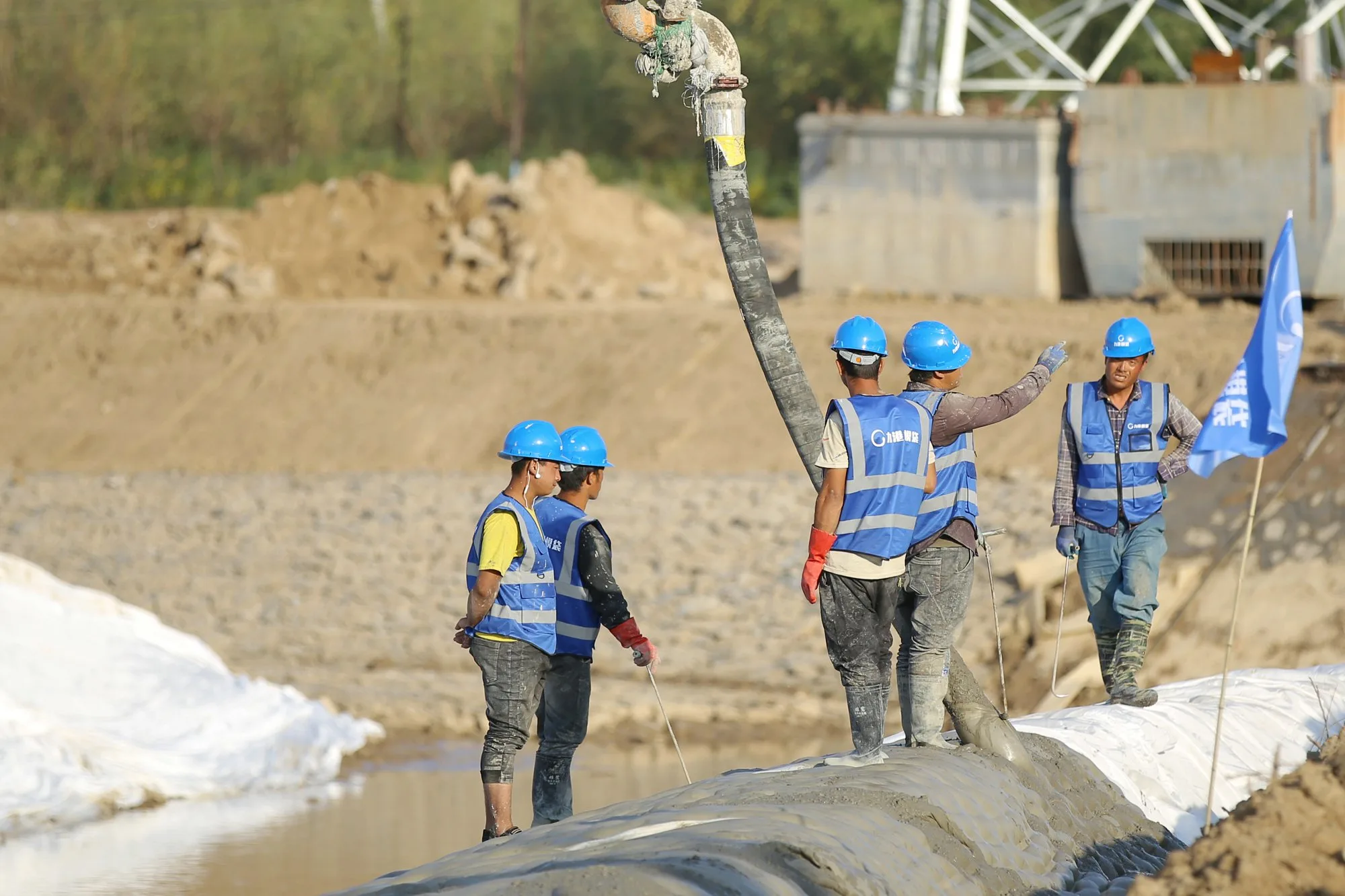
Grouted mattress is designed for live-river installation. The woven polypropylene fabric is pinned to the bank surface and grouted from the top using a standard concrete pump. It conforms to any geometry, fills scour voids, and locks together as a continuous flexible slab. For river banks with high hydrostatic pressure or artesian seepage, our filter point variant provides the same protection with engineered drainage relief.
Thickness Selection by Flow Velocity
Select product thickness based on design flood velocity. Our engineering team confirms selection for your specific bank geometry and flood return period.
| Thickness | Max Flow Velocity | Typical Application | Weight (filled) |
|---|---|---|---|
| 75 mm | 2.5 m/s | Small rivers, drainage channels | ~135 kg/m² |
| 100 mm | 3.5 m/s | Medium rivers, irrigation main canals | ~180 kg/m² |
| 150 mm | 4.5 m/s | Large rivers, flood defence levees | ~270 kg/m² |
| 200 mm | 6.0 m/s | High-energy rivers, dam toe protection | ~360 kg/m² |
River Bank Applications
Flood Defence Levees
Armour the landside and waterside faces of flood defence embankments. Maintains bank stability during overtopping events. No joints to fail at high head.
River Training Works
Guide bank construction, groynes, and cut-off channels for river training and flood management schemes. Installs to any alignment.
Urban River Revetment
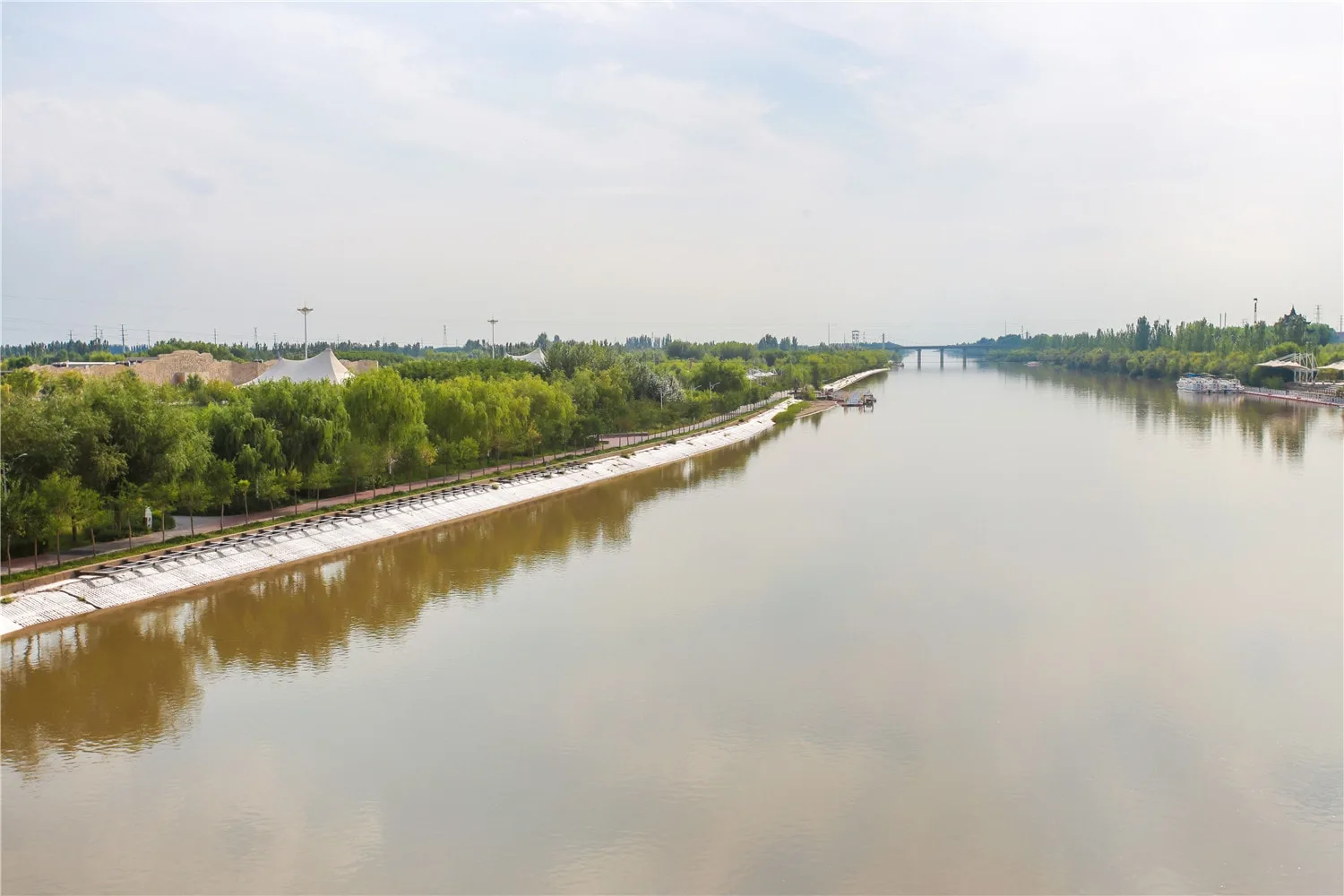
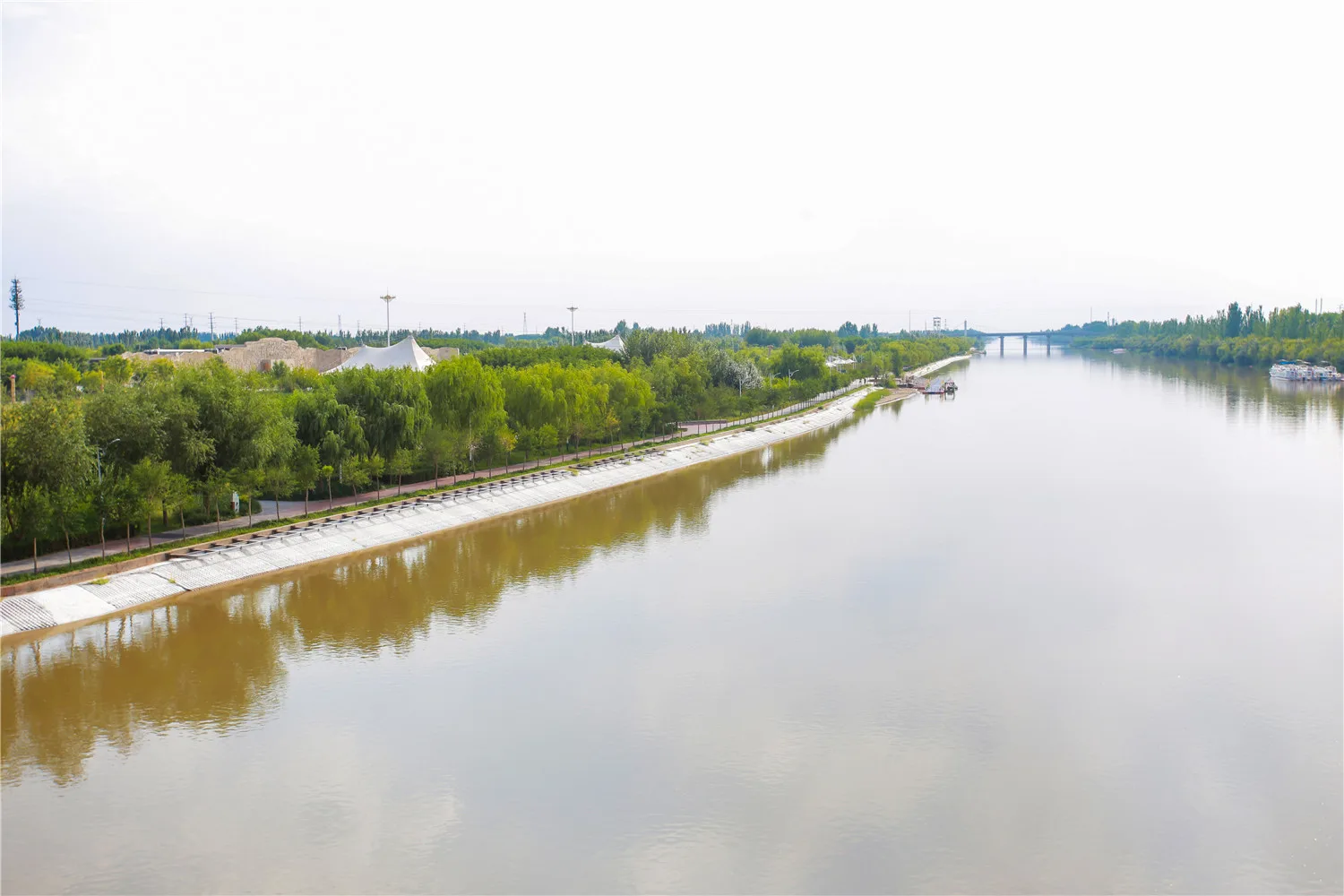
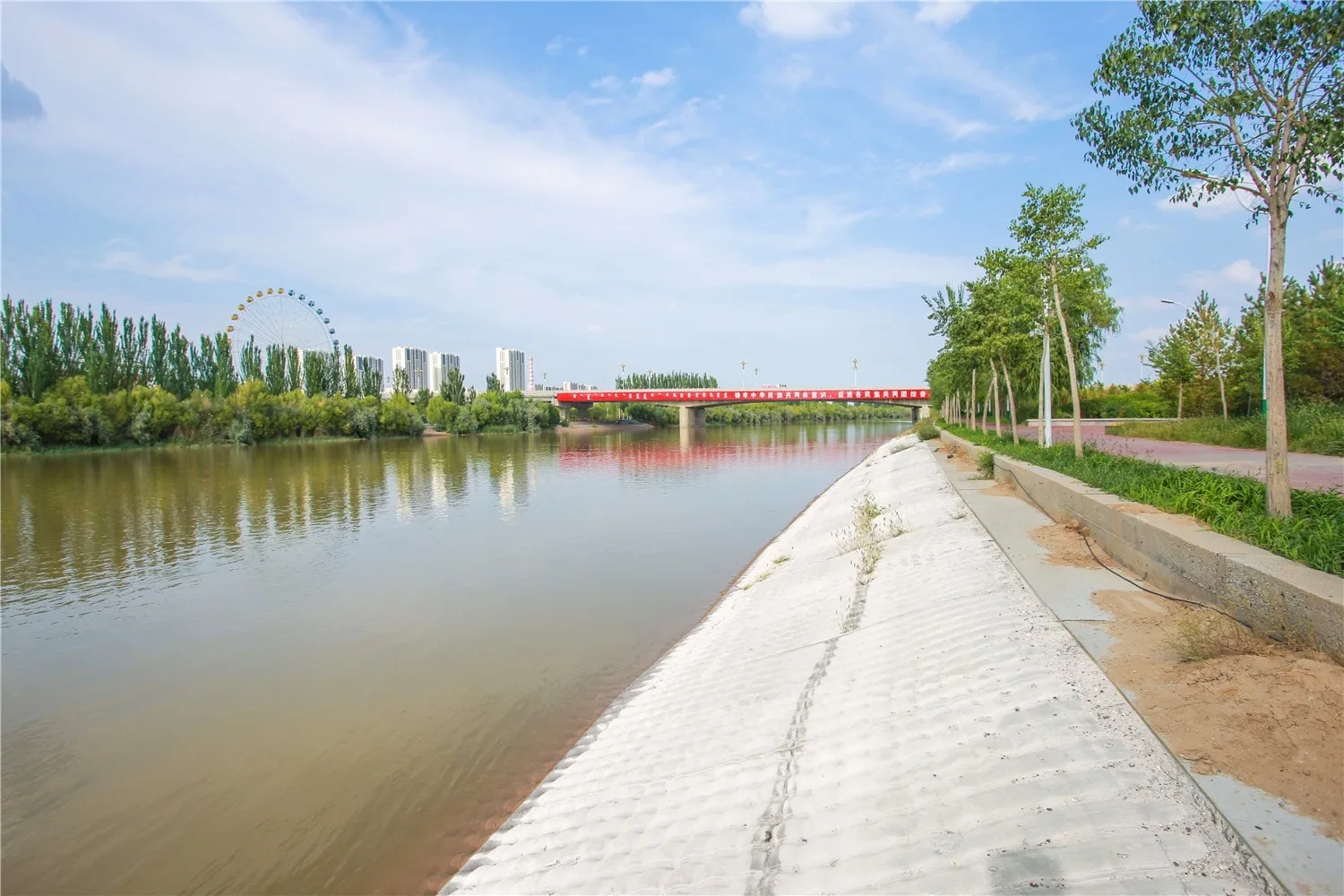
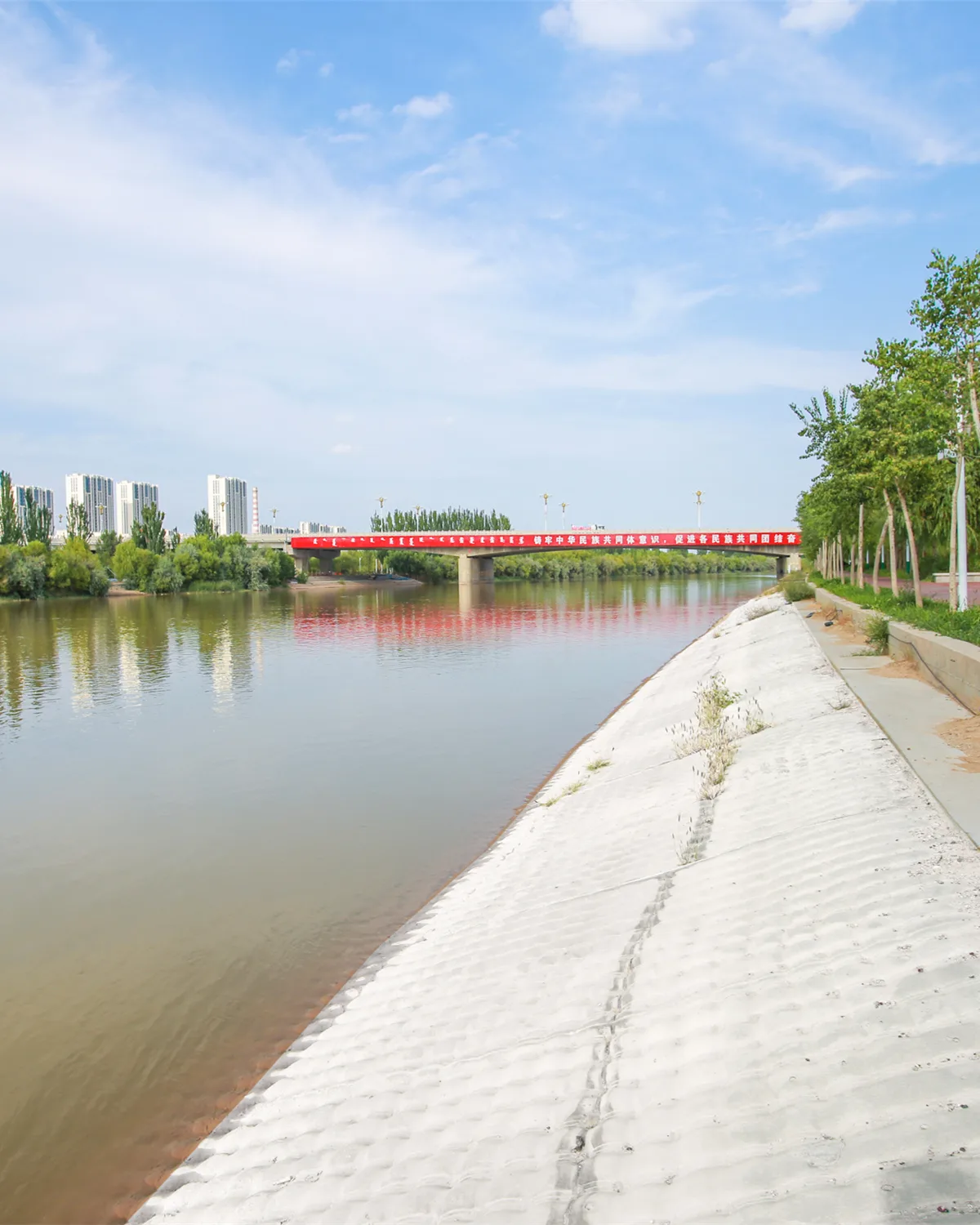
Permanent bank protection in urban river corridors. Smooth surface reduces flood water levels. Compatible with walkways and landscape finish.
Irrigation Headworks
Bank protection around diversion weirs, pump intakes, and irrigation headworks where scour concentrates during peak diversion flows.
Mining & Industrial
Tailings pond embankments, mine water storage berms, and process water channels requiring impermeable erosion-resistant lining.
Emergency Repair
Rapid mobilisation for bank failure repair. Prefabricated panels deploy quickly. No curing delay - grouting can begin immediately on arrival.
How Installation Works
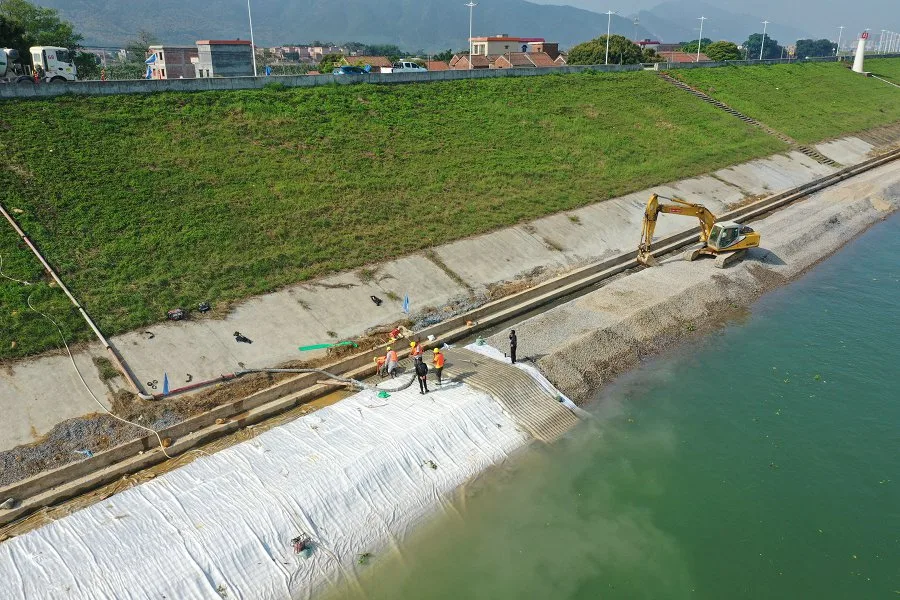
River bank installation follows the same process as all grouted mattress applications — no specialist equipment beyond a standard concrete pump truck.
Bank Preparation
Clear vegetation and grade the bank to the design profile. Fill major voids. No formwork needed.
Fabric Deployment
Lay panels from top of bank to toe. Seam adjacent panels with double-stitch overlaps. Pin to bank.
Grout Injection
Connect pump truck hose to injection ports. Fill each panel section to full design thickness. 800-1,000 m2/shift.
Curing & Finish
Cure 24-48 hours. Trim edges, seal toe with anchor trench. Bank is protected immediately on cure.
Frequently Asked Questions
Can grouted mattress be installed with the river flowing?
Yes — this is one of its primary advantages over rip-rap and concrete panels. The fabric is pinned to the bank surface and grouted in place with flow velocities up to 0.5 m/s during installation. The cured mattress is then rated to resist design flood velocities up to 6.0 m/s depending on thickness.
How does grouted mattress compare to rip-rap for river bank protection?
Grouted mattress provides a sealed, continuous armour layer with no void spaces for flow to penetrate. It is lighter than equivalent rip-rap (360 kg/m² vs 900+ kg/m² for equivalent protection), does not require quarried rock, and can be installed on steeper slopes (up to 1:1.5 versus 1:2 for rip-rap). Long-term maintenance cost is lower as there is no stone displacement or void migration.
What slope angle can grouted mattress be installed on?
Up to 1:1.5 (approximately 34-) for standard grouted mattress with anchor connections. Steeper banks require additional anchoring design, which our engineering team can specify. Most river banks in practice are 1:2 to 1:3, well within the product capability.
How do you anchor the mattress at the bank toe?
The standard toe detail is an anchor trench excavated at the bank toe — typically 300 mm wide - 500 mm deep — into which the lower edge of the mattress is folded and backfilled after grouting. For underwater toes or where excavation is impractical, pin anchors and concrete deadmen are used. Our engineering team provides the anchor design for your specific site.
Can grouted mattress be installed underwater on a submerged bank?
Yes. The fabric is deployed by diver or underwater frame and pinned to the submerged bank surface. Grout is pumped from the bank surface through hoses to injection ports on the underwater panels. We have completed river bank protection to depths of 4 m below normal river level using this method.
Related Reading
Compare grouted mattress, ACB mats, and GCCM — with a selection guide by flow velocity and site type.
Product overview: three ACM variants, name terminology by region, and factory specifications.
Cost and performance comparison for river bank and channel protection applications.