
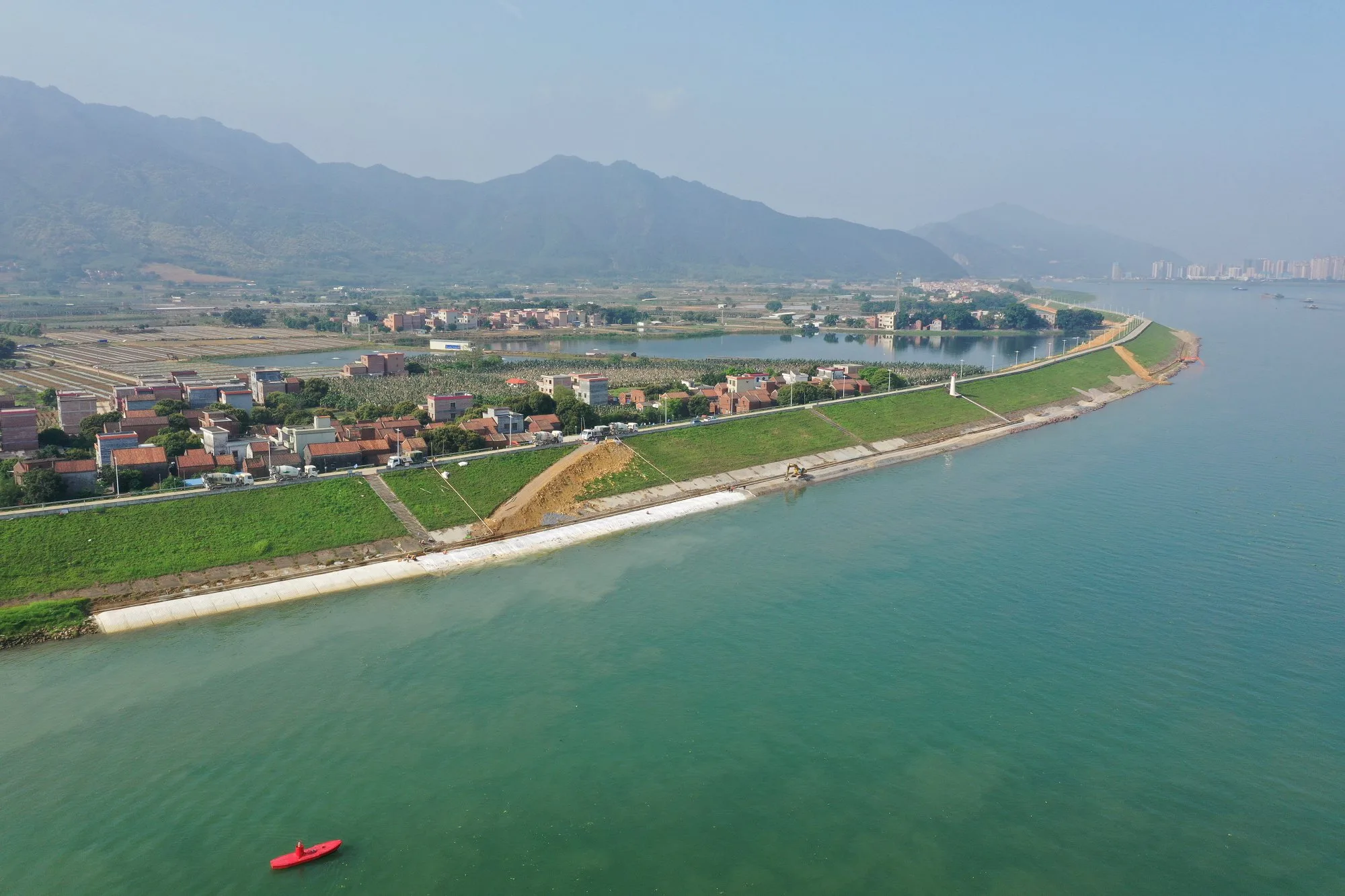
Quick Answer
Bridge pier scour is the leading cause of bridge failure worldwide, accounting for approximately 60% of bridge collapses in flood events (FHWA). A grouted mattress collar — extending at least 2- the pier width around the base — armours the riverbed against the horseshoe vortex that drives scour. HydroBase installs mattress collars underwater without closing navigation, to depths up to 5 m. No dewatering. GRI GT16-compliant. Referenced in FHWA HEC-23, GB 50286, and CIRIA C742.
What Is Bridge Pier Scour and Why Is It Dangerous?
When water flows around a bridge pier, it accelerates and creates turbulent eddies at the base. These eddies scour the riverbed, excavating material from under the pier foundation. Left unchecked, scour exposes the foundation piles, reduces bearing capacity, and leads to catastrophic failure — often during or immediately after a flood event.
Traditional scour protection — dumped riprap or pre-formed concrete mattress panels — requires river diversion or cofferdam construction. Either option means weeks of preparation, significant cost, and bridge or lane closure during the works. For bridge owners, that timeline is often unacceptable.
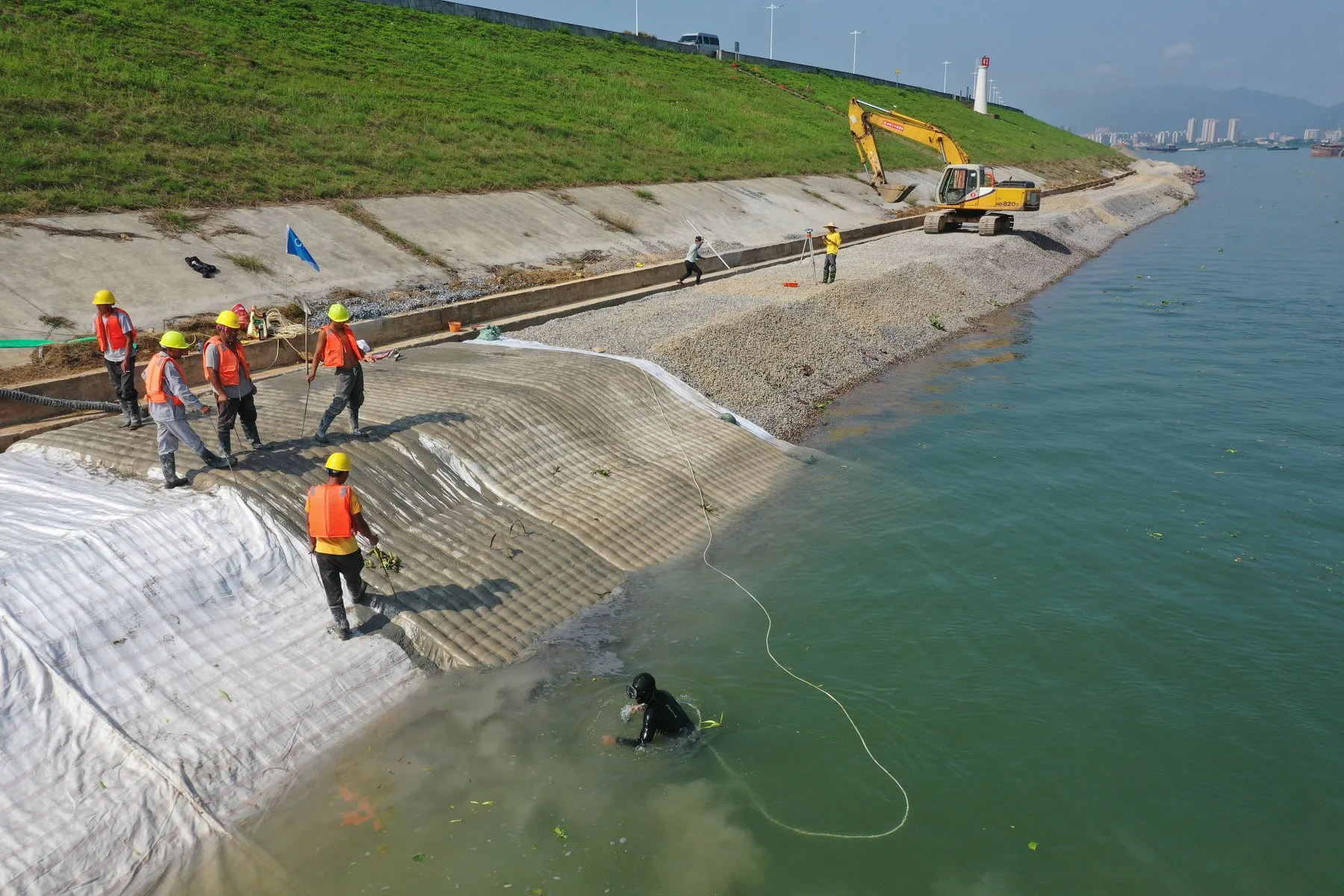
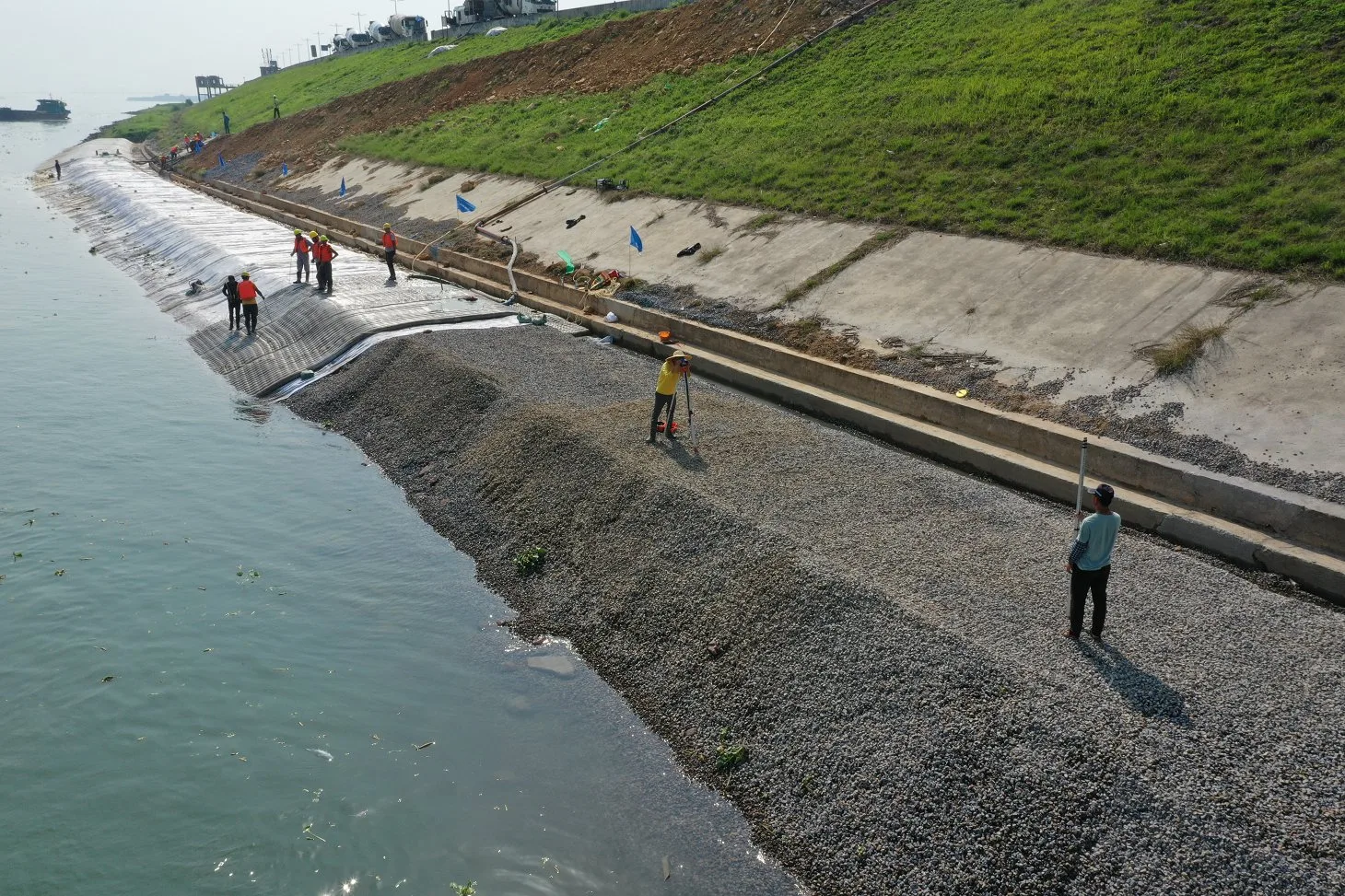
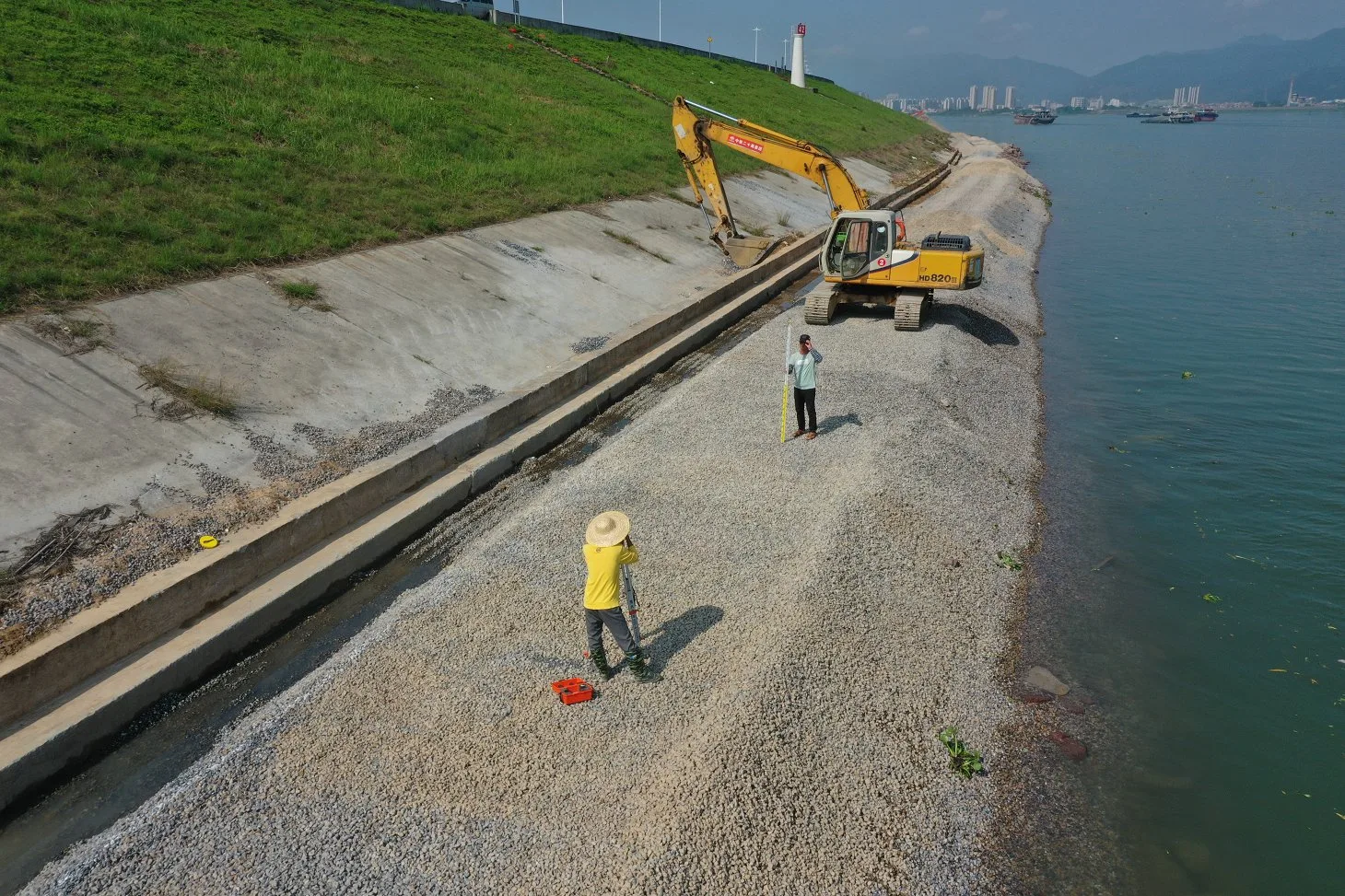
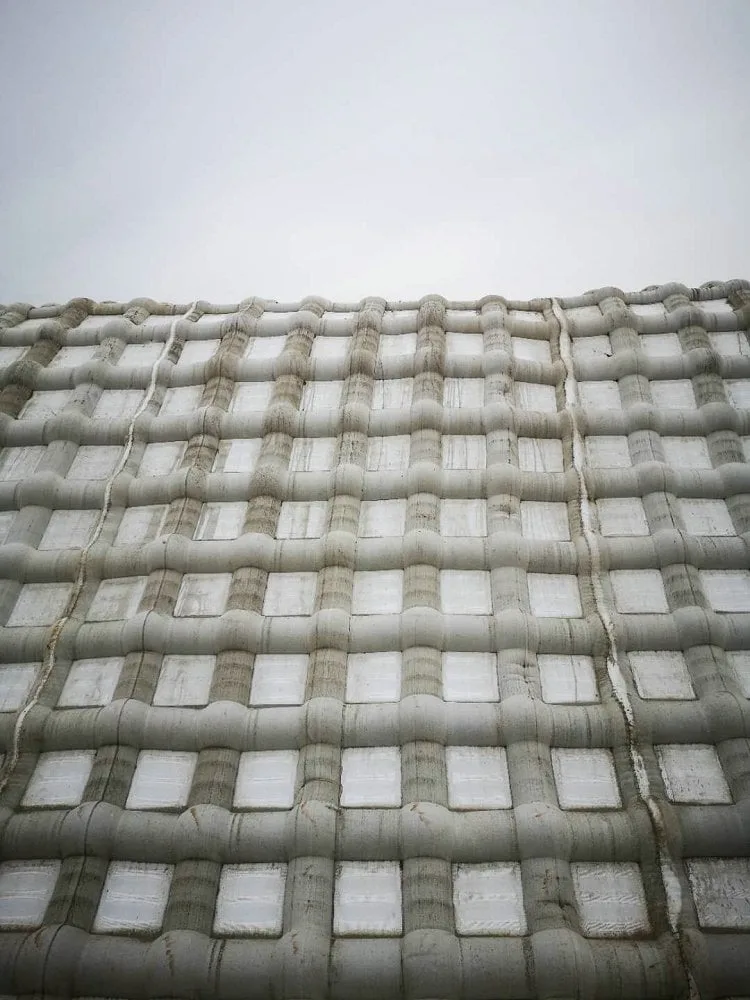
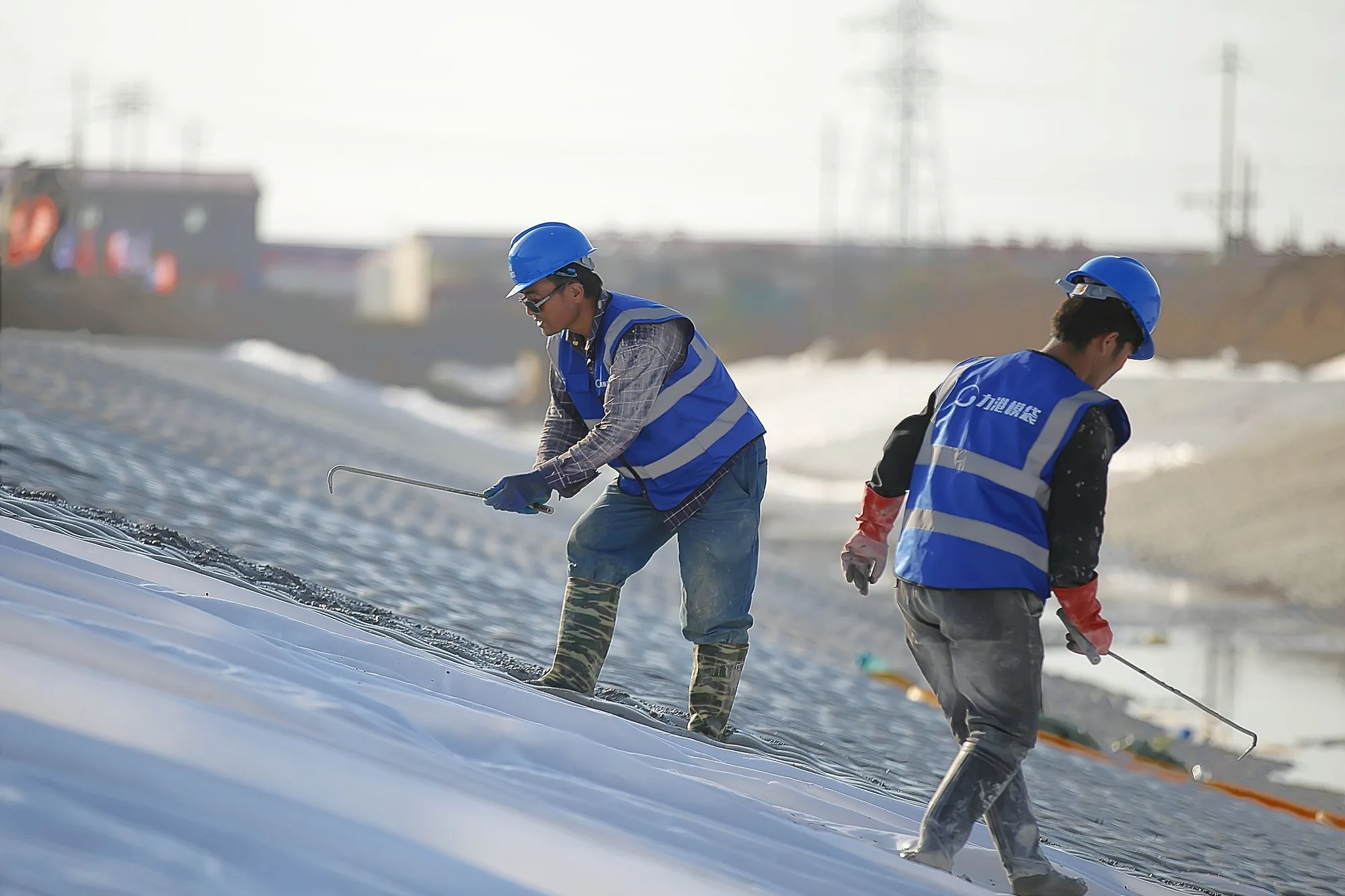
What Does Grouted Mattress Scour Protection Look Like?
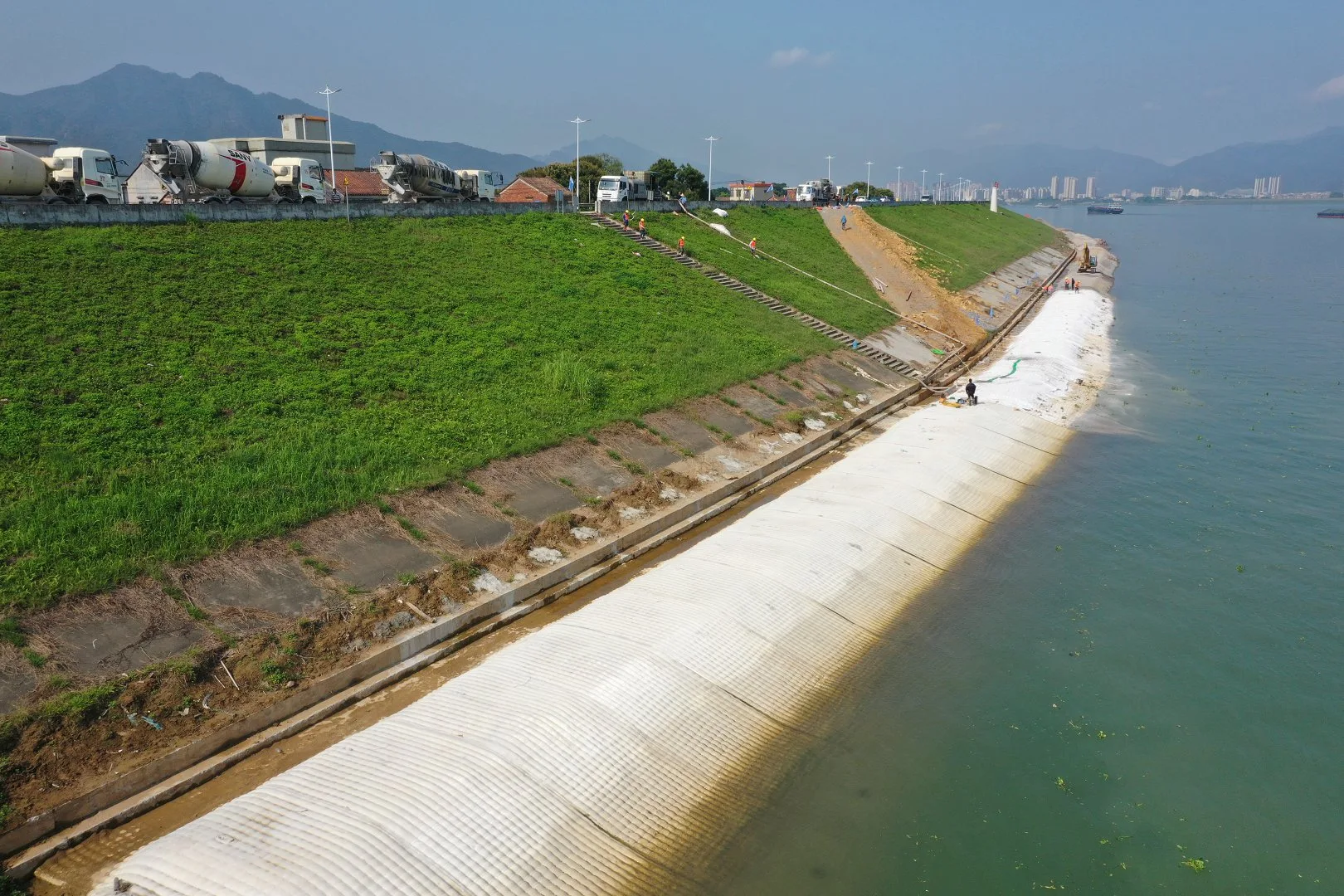
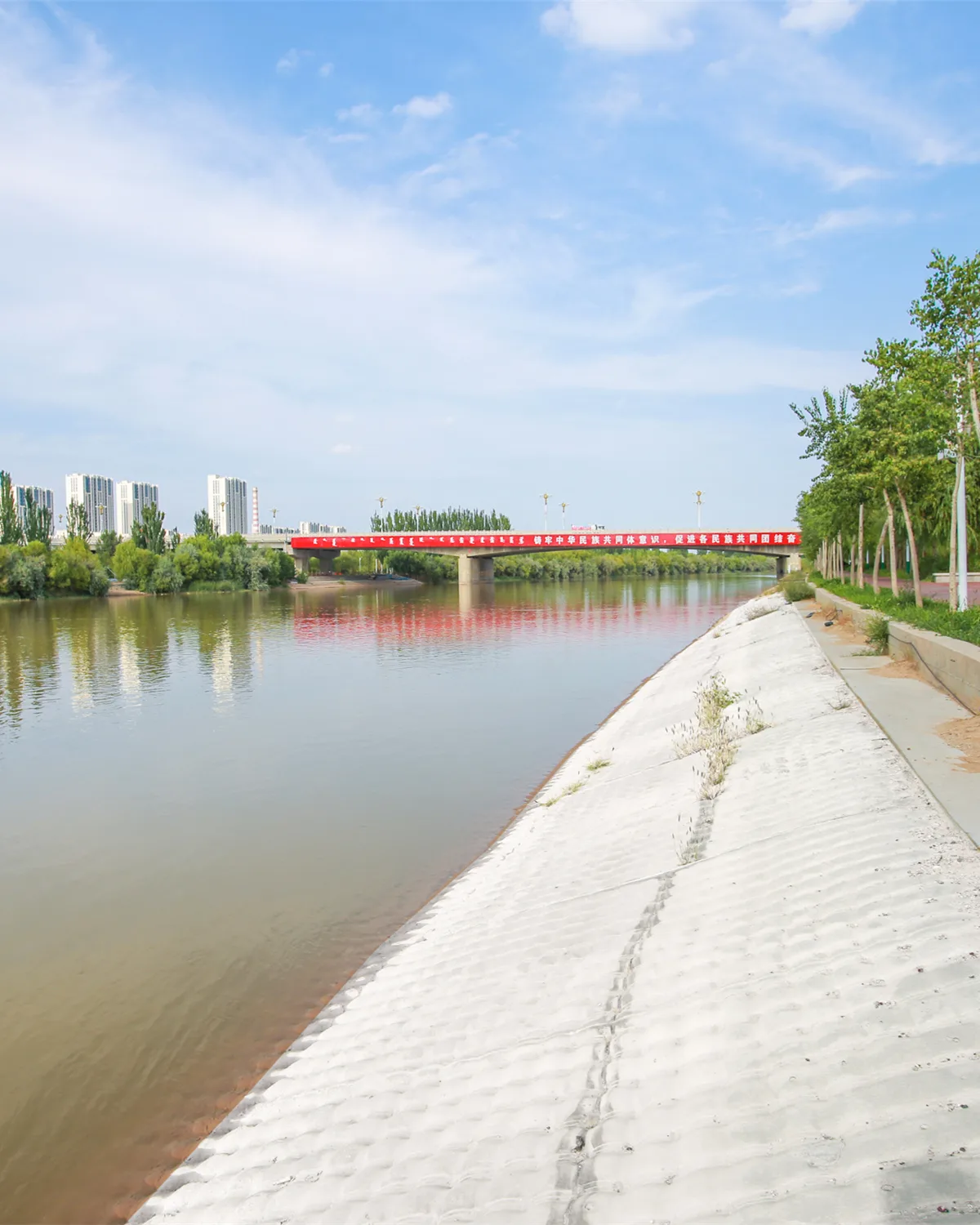
Where Is Grouted Mattress Used for Scour Protection?
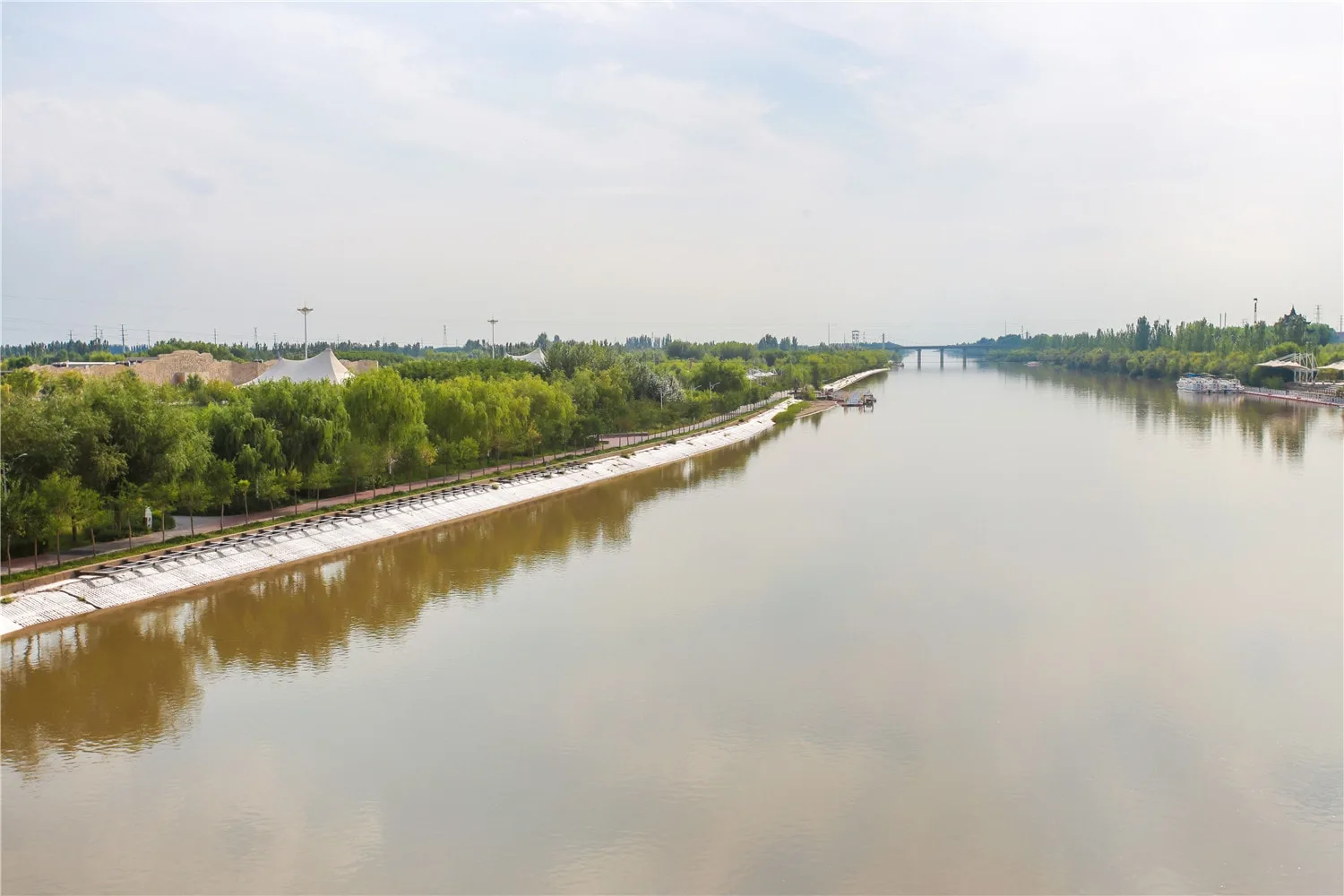
River Crossing Bridges
Road and rail bridge piers in river channels where flow velocity at the pier face exceeds 1.5 m/s. The mattress is sized to extend at least 2- the pier width each side of the foundation zone.
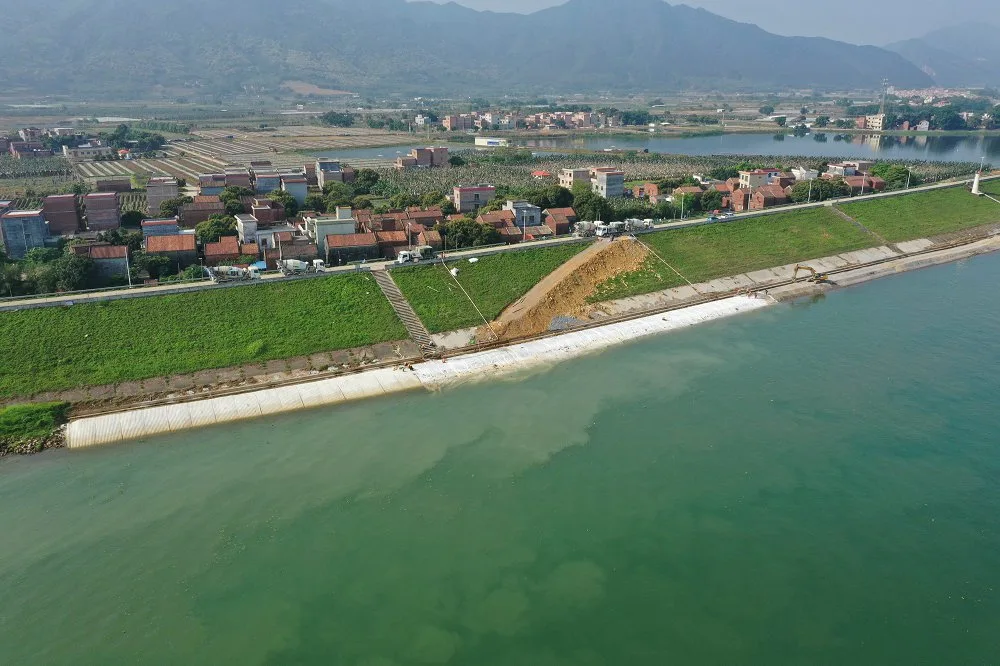
Tidal & Estuarine Bridges
Bridge piers in tidal reaches and estuaries experience bi-directional flow and storm surge loading. Filter point grouted mattress is specified to manage pore pressure during tidal drawdown.
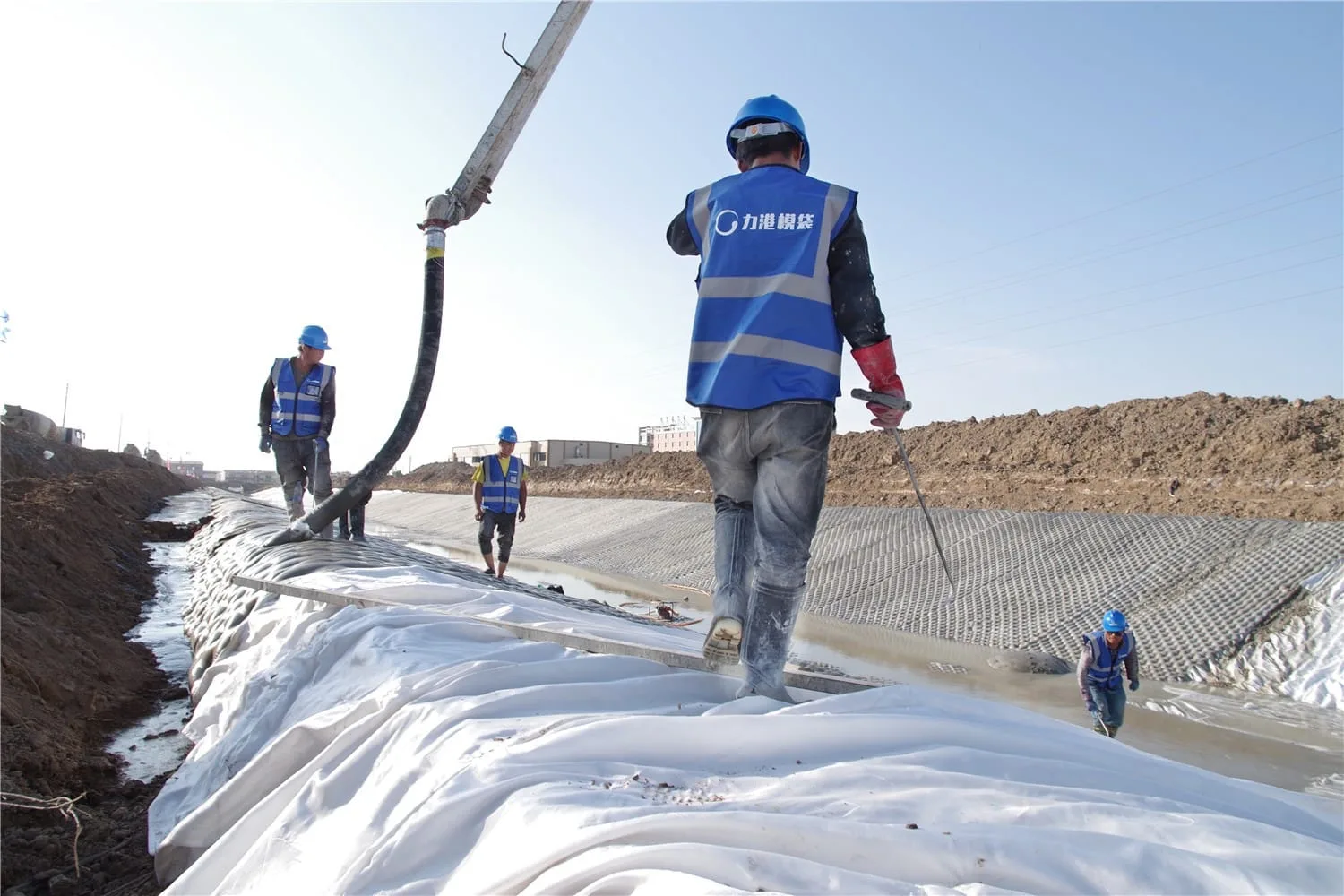
Underwater Pier Remediation
Existing bridges with documented scour damage require remediation without closure. The grouted mattress fills the existing scour hole and extends beyond the active scour zone.
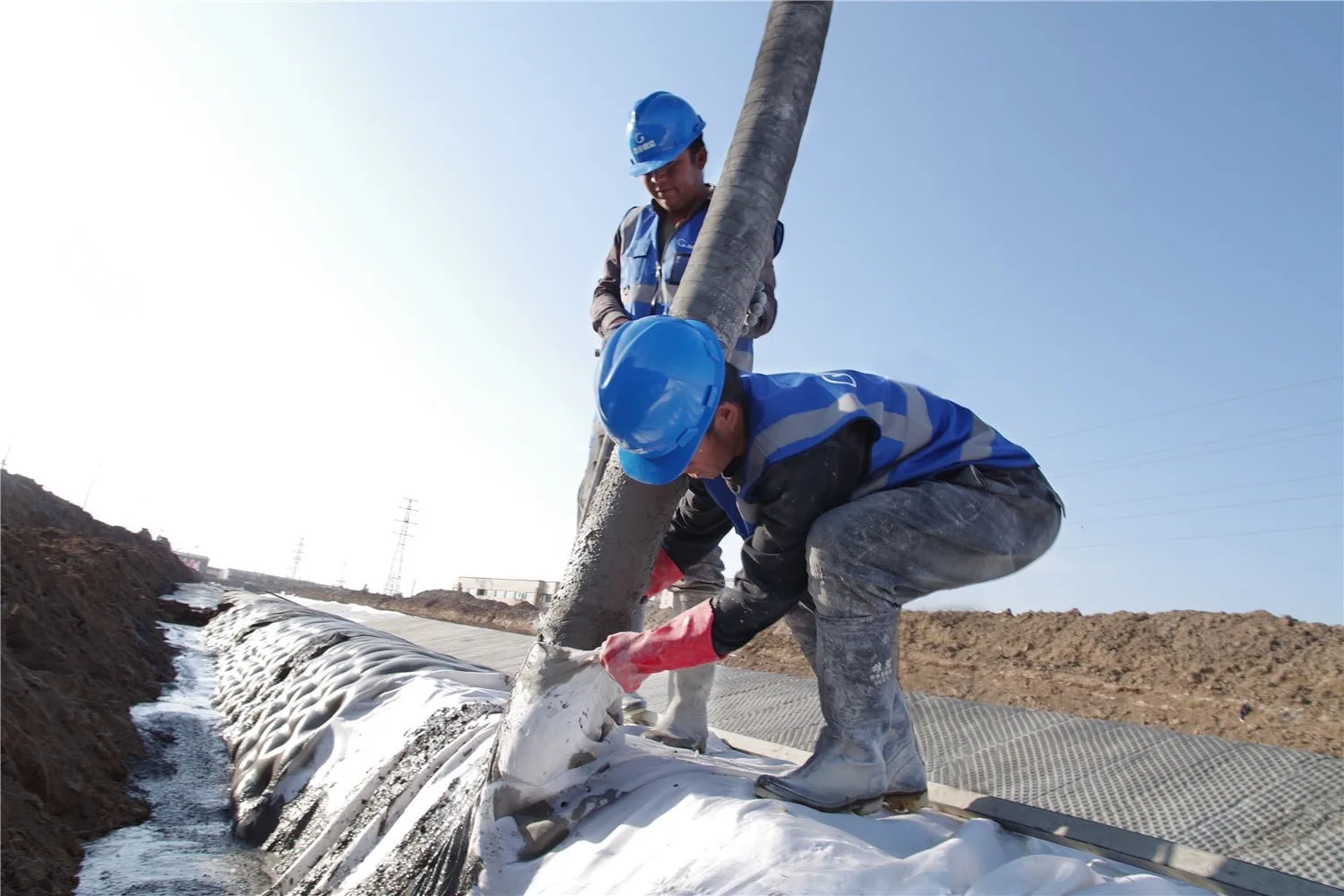
Bridge Abutment Protection
Abutment faces and wingwalls experience scour from flow contraction at the bridge crossing. Grouted mattress provides flexible armour that follows the irregular bank profile.
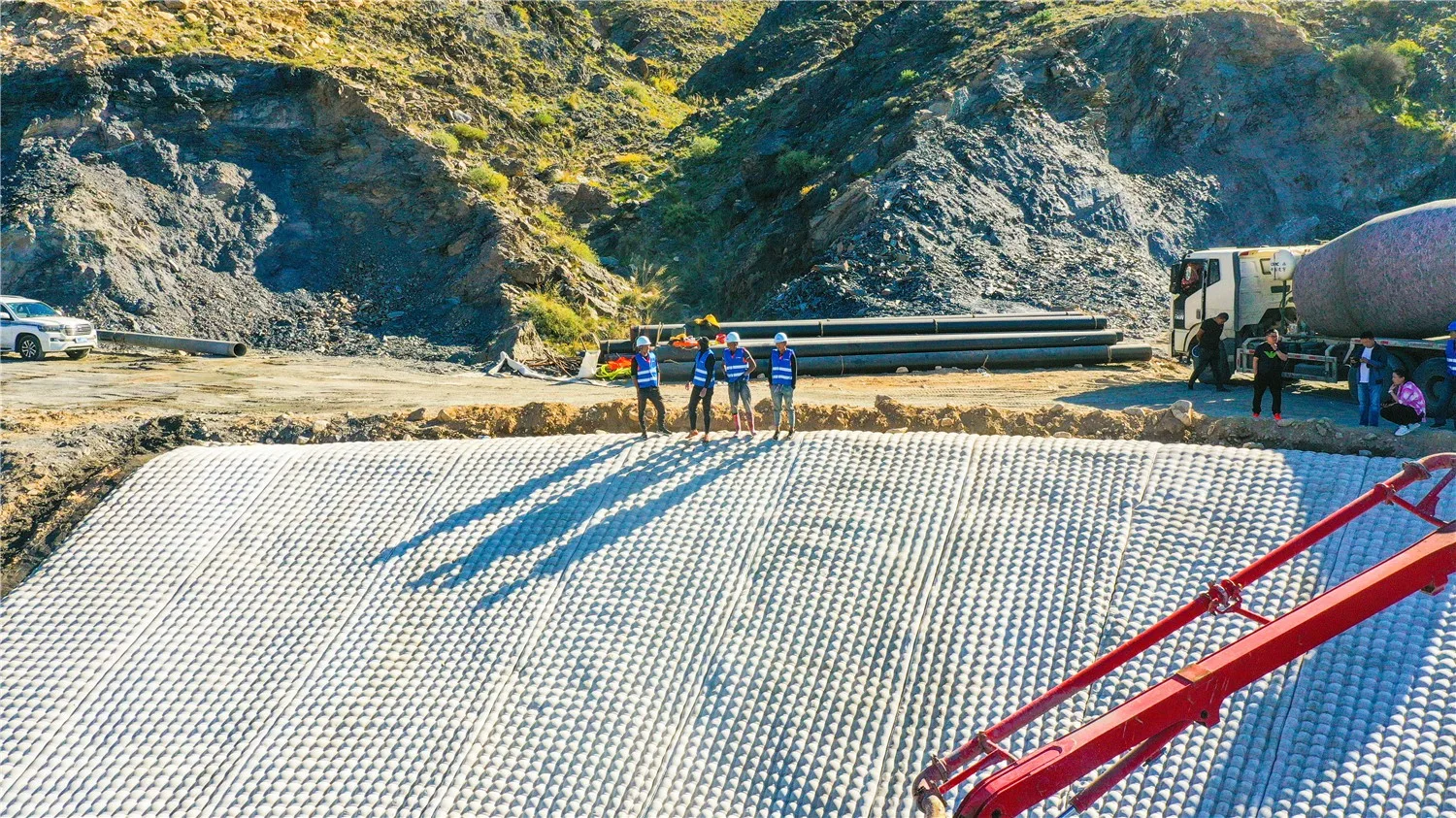
Culvert & Outfall Protection
Scour at culvert outlets and stormwater outfalls — the high-velocity, pulsing discharge creates a scour hole that can undermine the structure. Mattress aprons arrest development.
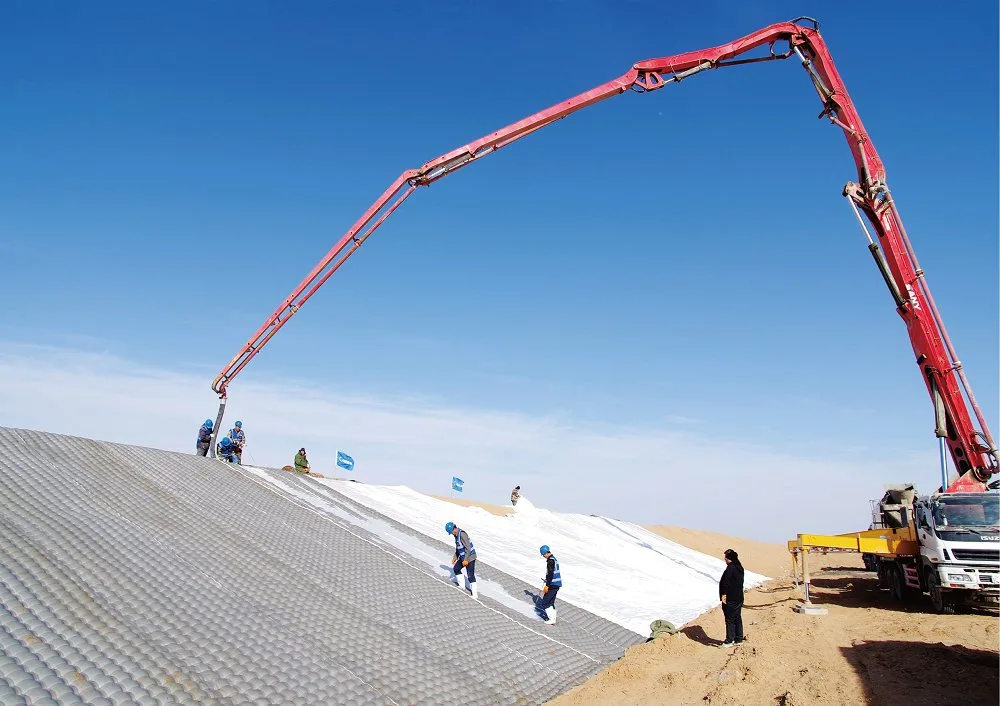
New Construction Scour Aprons
Designed-in scour aprons on new bridge construction using grouted mattress — eliminating the risk of future scour damage and avoiding the high cost of retrospective remediation.
How Do I Size a Grouted Mattress Scour Collar?
Select mattress thickness based on approach velocity and bed material. HydroBase provides a scour depth estimate and apron extent calculation on request.
| Thickness | Design Velocity | Bed Material | Typical Application |
|---|---|---|---|
| 100 mm | Up to 2.5 m/s | Sand or silt | Small river bridges, culvert aprons |
| 150 mm | Up to 4.0 m/s | Sand, gravel, or mixed | Most road and rail bridge piers |
| 200 mm | Up to 5.5 m/s | Gravel or cobble | High-velocity river crossings |
| 250 mm | Up to 7.0 m/s | Any bed material | Dam spillways, major river crossings |
★ Most commonly specified for bridge pier scour. GRI GT16-compliant, compressive strength ≥17 MPa at 28 days. Filter point variant recommended for tidal applications.
How Is Grouted Mattress Installed Around a Bridge Pier?
Underwater Survey
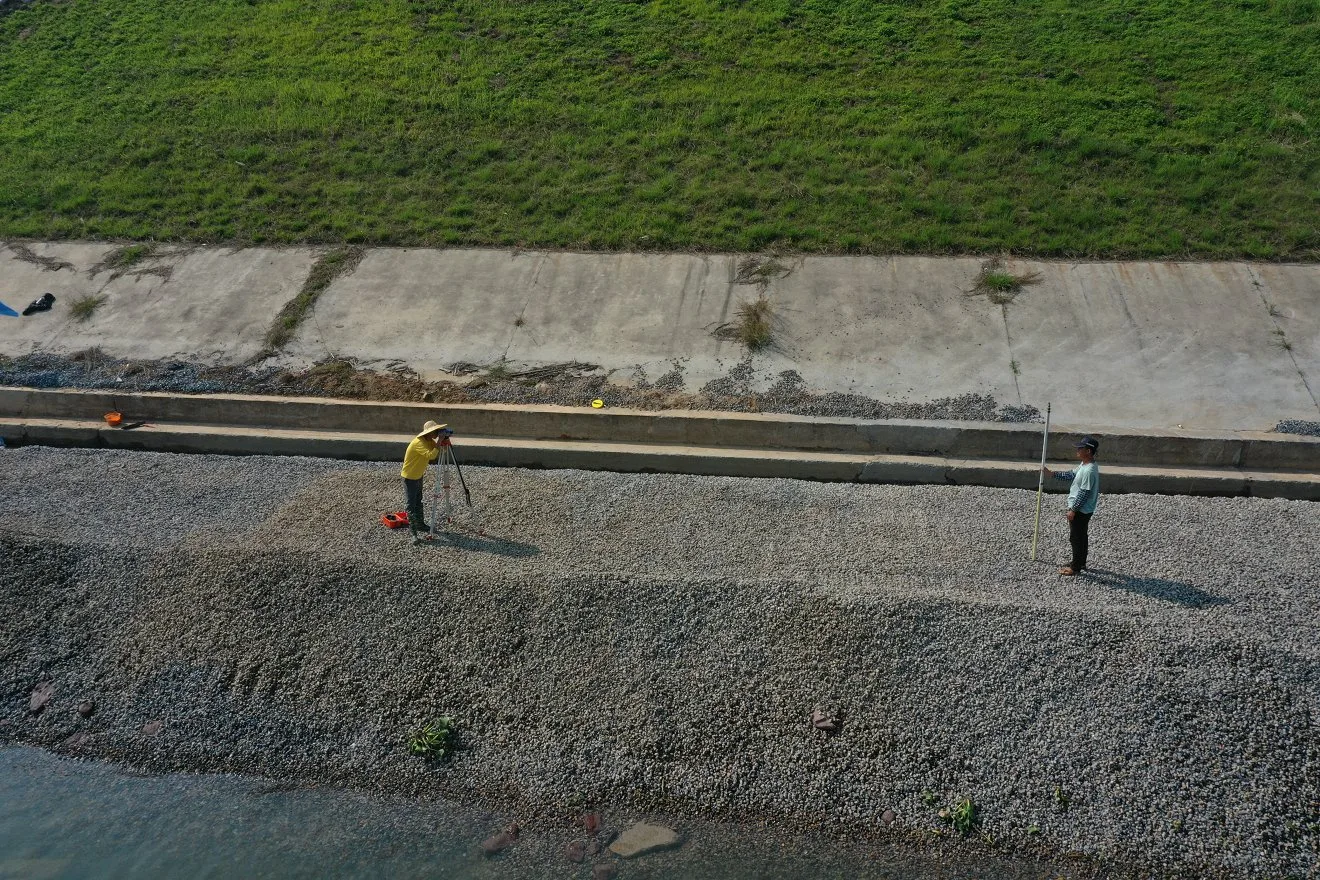
Diver or multi-beam sonar survey maps the pier foundation zone, bed material, water depth, and existing scour hole geometry. Panel dimensions, collar shape, and anchor details are designed to the survey findings.
Panel Fabrication
Geotextile panels are cut and seamed to the pier geometry — including shaped collars to fit closely around the pier base, mitred seams for rectangular piers, and curved sections for circular piers. Dispatched within 48 hours.
Underwater Deployment
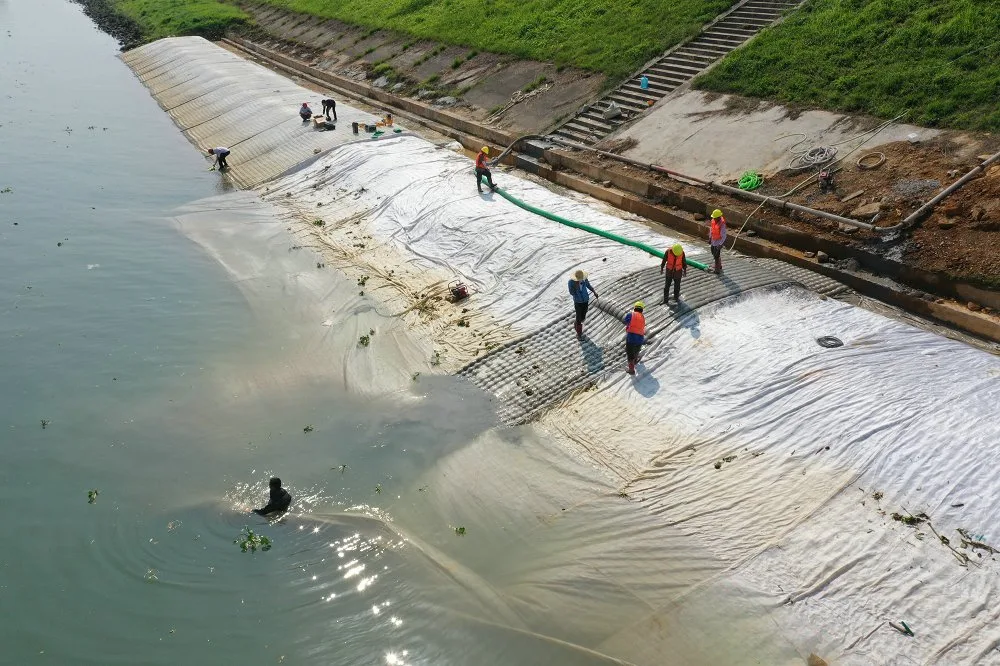
Divers or guide frames position panels on the riverbed around the pier. Adjacent panels are connected and seamed. The perimeter is anchored with concrete-filled toe bags to resist flow forces during grouting.
Grout Injection & Inspection
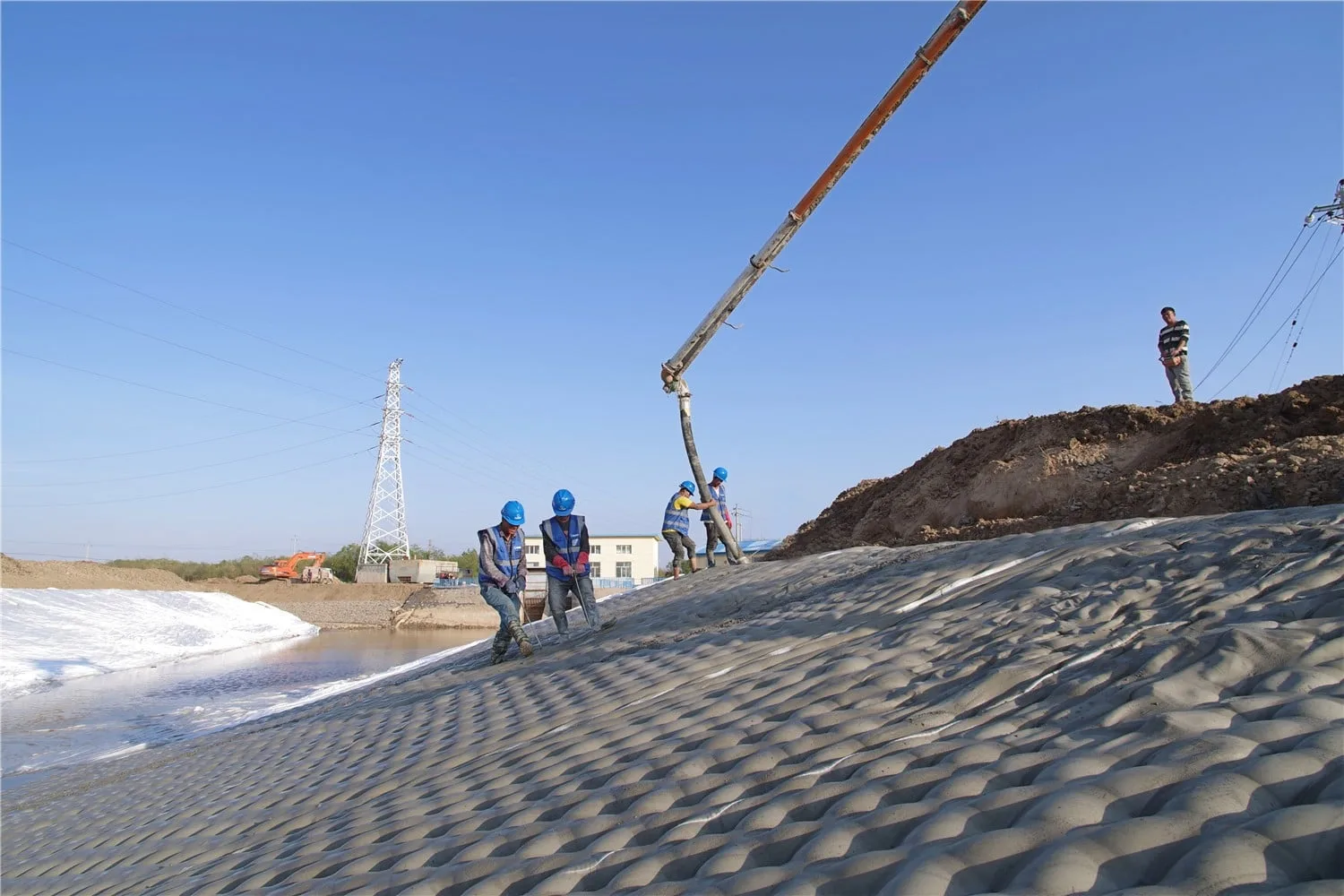
Fine-aggregate concrete is pumped from the surface through injection hoses to each panel. Fill progress is monitored by surface pressure gauge and diver inspection. The river remains open to traffic throughout.
How Does Grouted Mattress Compare to Rip-Rap and Sheet Piling for Scour?
| Criterion | Grouted Mattress | Dumped Riprap | Cofferdam + Concrete |
|---|---|---|---|
| River closure required | None — open river | Usually partial | Full closure or diversion |
| Cofferdam required | None | None | Always |
| Fills existing scour hole | Conforms to bed profile | Partially | Yes (after reconstitution) |
| Pier collar fit | Custom shaped panels | Not possible | Formed pour |
| Installation time | 1–2 days per pier | 2–4 days | 2–4 weeks |
| Bridge traffic during works | Open | Partial lane closure | Closed |
| Design life | 50+ years | 20–40 years | 40+ years |
| Documentation | Sonar + diver reports | Limited | Full records |
Custom Pier Collars. 48-Hour Fabrication. No River Closure.
Related Applications & Products
Filter Point Grouted Mattress
The preferred variant for tidal and submerged applications — engineered drainage zones manage pore pressure.
Slope Protection
The same system for embankments, dams, and reservoirs — installed on any slope angle.
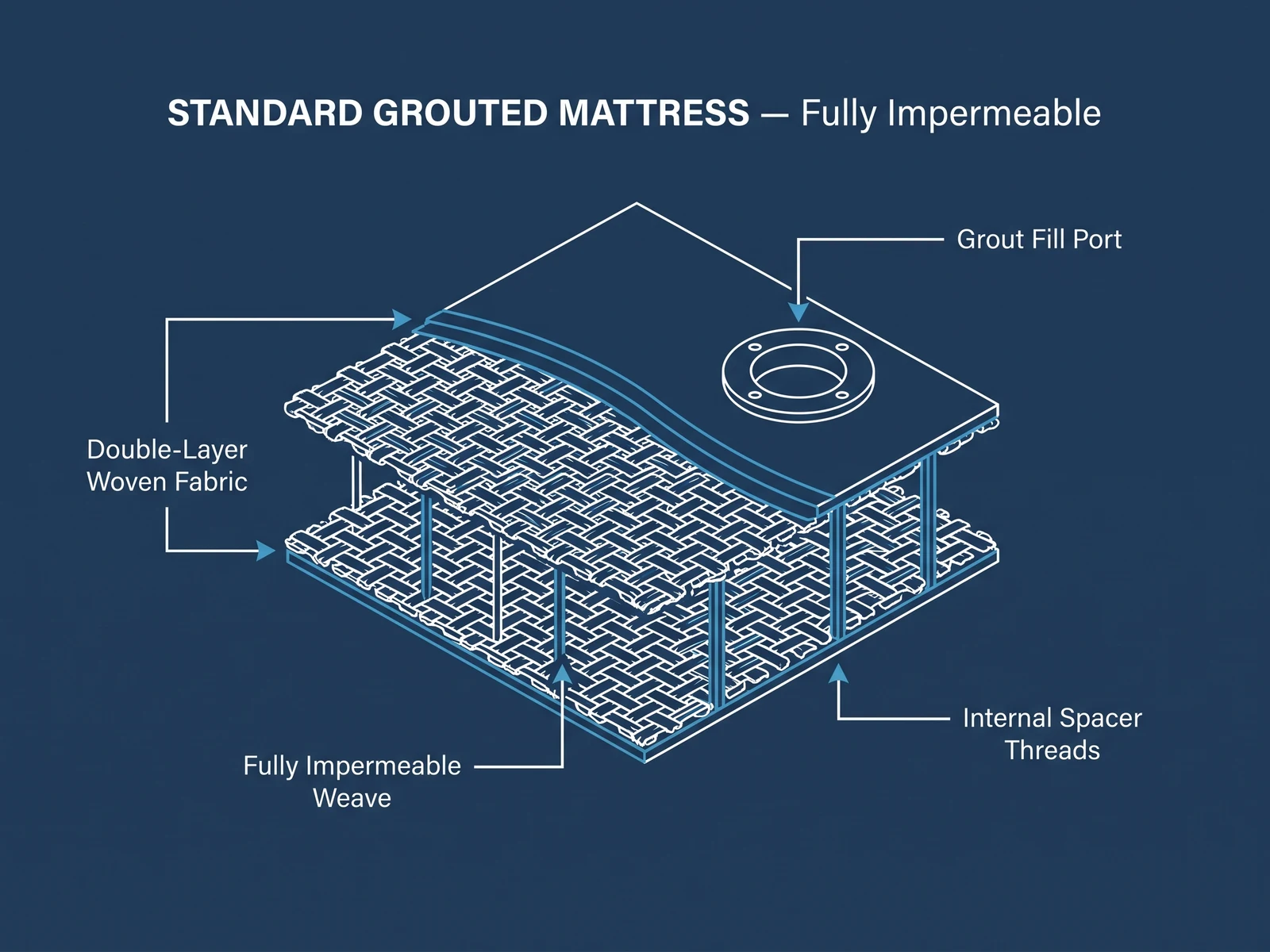
Standard Grouted Mattress
Product details, specification table, and full GRI GT16 test data for specifiers.
Bridge Pier Scour Protection: Frequently Asked Questions
How is the mattress positioned around a bridge pier underwater?
Divers position the geotextile collar panels around the pier foundation and connect them at the seams. For shallow water (up to 3 m), crews can work from a pontoon or the bridge deck. Panels are custom-cut to match the pier cross-section — circular, rectangular, or irregular shapes — with a close fit of less than 50 mm gap.
What is the maximum installation depth?
We have completed installations at 5 m water depth using commercial diving teams. Deeper installations are feasible with saturation diving or ROV-assisted positioning — contact us for site-specific guidance.
Is a cofferdam or river diversion needed?
No. The river, river traffic, and bridge traffic all remain open throughout installation. This is the single biggest advantage over conventional scour repair (rock riprap or mass concrete), where river diversion or cofferdam construction typically dominates the programme and cost.
What happens if the scour hole continues to develop after installation?
The grouted mattress is a passive armour — it arrests further scour by covering the erodible bed material around the pier. If scour was continuing to develop at the time of installation, the mattress fills the existing scour hole profile and prevents further deepening. We provide sonar survey reports before and after installation to document coverage.
Which product variant is recommended for tidal bridge piers?
The filter point grouted mattress is preferred for tidal and estuary bridge piers. The drainage openings manage hydrostatic pressure from tidal fluctuation and prevent uplift. For freshwater river piers with stable water levels, the standard mattress is used.