
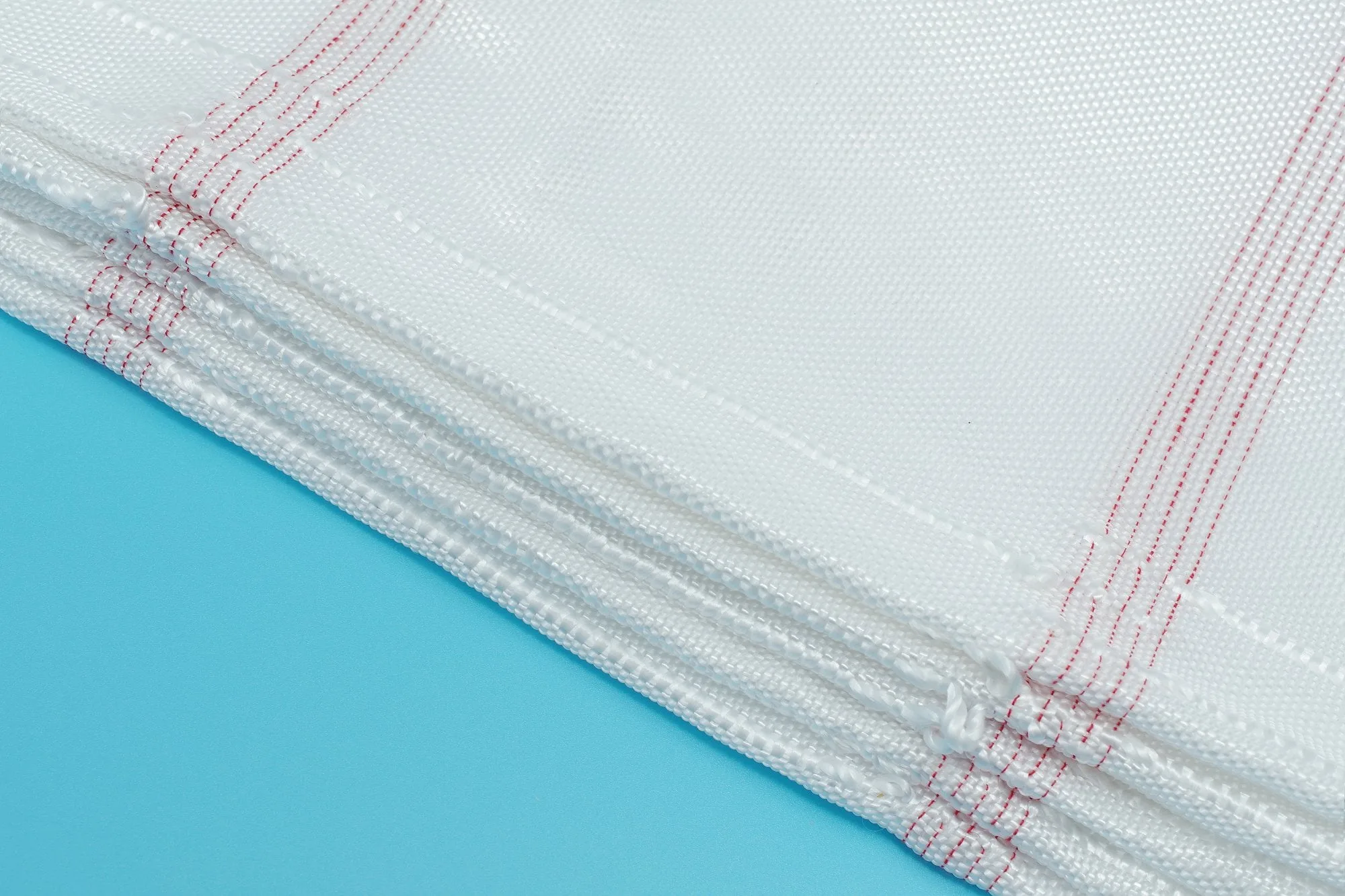
Geotextile Grout-Filled Mattress (GGFM): Types and Design
Quick Summary
Fabric formed concrete uses flexible geotextile formwork pumped with cement grout to create custom erosion protection shapes. This guide covers the technology, product types, design limits, and project applications.
Quick Answer: Fabric formed concrete (FFC) uses woven geotextile fabric as a flexible formwork, pumped on-site with cement grout to produce a hard concrete erosion protection layer that exactly follows the surface profile. It eliminates the need for rigid formwork, dewatering, or crane-lifted precast units. Grouted mattress is the most common type, used for canal lining, slope protection, and bank revetment. Concrete canvas is a thinner variant for less demanding applications. This guide explains how the technology works and which product to use for which application.
Fabric formed concrete is not new — the principle of using fabric as formwork for concrete was first patented in the early 20th century. What has changed dramatically since the 1980s is the quality and consistency of the geotextile fabrics available, and the development of purpose-designed grout-filled mattress systems tested to international standards like GRI GT16.
Today, fabric formed concrete systems are used on some of the world's largest hydraulic infrastructure projects — China's South-to-North Water Diversion canals, the Middle East's irrigation expansion programmes, and Southeast Asia's flood defence works. This guide explains the technology, the different product types, and how to select the right system for a specific application.
How Fabric Formed Concrete Works
All fabric formed concrete systems share the same fundamental principle: a fabric "formwork" is positioned on the surface to be protected, then cement grout is injected under pressure, filling the fabric and curing to form a hard concrete layer. The fabric remains in place permanently — it becomes part of the finished structure, providing tensile reinforcement and a protective outer skin over the concrete.
The key advantage over conventional concrete formwork is that the fabric is flexible — it drapes over and conforms to any surface profile, including irregular slopes, curved channel inverts, and existing eroded surfaces. No perfectly flat, uniform subgrade is required. The fabric formwork is also watertight during the pumping phase, allowing grout to be placed in wet or actively flowing conditions without significant loss of grout into the surrounding water.
The Main Types of Fabric Formed Concrete
1. Grouted Mattress (GGFM) — The Primary System
Two layers of heavy-duty woven polypropylene geotextile stitched together at regular intervals to create internal cells, then pumped with fine-aggregate cement grout on-site. Available in thicknesses from 75 mm to 200 mm. Complies with GRI GT16. Suitable for design velocities up to 6.0 m/s. The system covered in detail throughout this website — see Standard Grouted Mattress, Filter Point Grouted Mattress, and Vegetated Grouted Mattress.
2. Concrete Canvas
A proprietary product consisting of a 3D fibre matrix impregnated with dry cement, sandwiched between an impermeable PVC backing and a woven outer fabric. Activated by adding water — no pump required. Cures to a thin (5–13 mm) rigid concrete layer within 24 hours. Suitable for ditch lining, minor erosion protection, and pipe lagging. Not suitable for high-velocity hydraulic applications — the thin section is vulnerable to impact damage and the design velocity limit is approximately 2.0 m/s. Significantly more expensive per m² than grouted mattress.
3. Geotextile Tube (Filled with Grout)
A closed cylindrical geotextile tube filled with grout or slurry to form a large, stable unit used for shoreline protection, breakwaters, and berm construction. Not a "mattress" system — used as a discrete gravity structure rather than a continuous lining. Common in coastal and port engineering applications.
4. Concrete Mattress (Precast Block Type)
Individual precast concrete blocks connected by ropes or cables to form an articulated mat. Technically not "fabric formed" — the concrete is cast in conventional moulds before deployment. Included here because the term "concrete mattress" is sometimes used interchangeably with grouted mattress in older specifications. See our comparison in Articulated Concrete Mattress Guide.
Grouted Mattress vs Concrete Canvas: Which Is Better?
| Feature | Grouted Mattress (GGFM) | Concrete Canvas |
|---|---|---|
| Thickness | 75–200 mm | 5–13 mm |
| Max design velocity | Up to 6.0 m/s | Up to 2.0 m/s |
| Installation method | Concrete pump truck | Water activation (hose) |
| Compressive strength | ≥17 MPa (GRI GT16) | ≥40 MPa (thin section) |
| Cost (USD/m²) | $28–$75 installed | $80–$180 installed |
| Best for | Large-scale hydraulic infrastructure | Small repairs, ditch lining, remote sites |
| Quality standard | GRI GT16 | Proprietary (CC-5/CC-8/CC-13) |
Applications of Fabric Formed Concrete
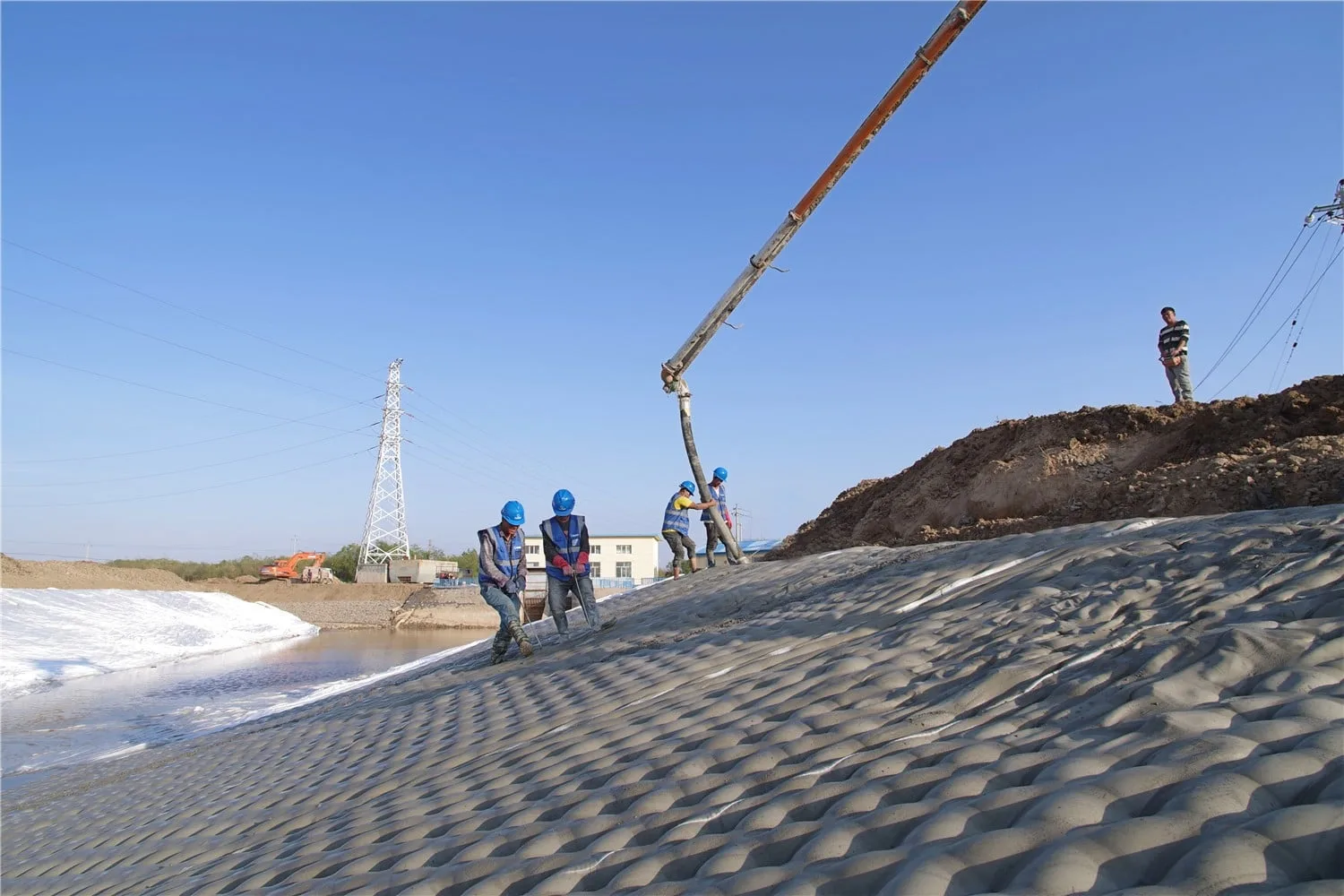
Fabric formed concrete (grouted mattress type) is specified across a wide range of hydraulic engineering applications:
- Canal lining — the largest application by volume. Irrigation canals, water conveyance channels, and drainage channels where seepage control and scour resistance are both required.
- Slope and embankment protection — reservoir upstream faces, highway embankments, levee faces, and mining haul road drainage channels.
- Bridge pier scour protection — collar installation around existing piers, underwater without dewatering. The standard retrofit solution for scour-critical bridges.
- River bank and training works — bank face revetment, low-flow channel lining, and floodplain edge protection.
- Coastal and tidal revetments — seawall face protection, tidal inlet stabilisation, and beach nourishment structure armouring.
Key Design Parameters
| Parameter | Value / Guidance | Reference |
|---|---|---|
| Min fabric tensile strength | 1,200 N grab tensile (both directions) | GRI GT16 / ASTM D4632 |
| Min CBR puncture resistance | 4,500 N | GRI GT16 / ASTM D6241 |
| Grout compressive strength | ≥17 MPa at 28 days | GRI GT16 / ASTM C39 |
| Panel overlap | 300 mm minimum | Manufacturer standard |
| Anchor stake spacing | 2.0 m centres on slopes | Manufacturer standard |
| Curing period | 7 days minimum water misting | ACI 308 / manufacturer |
Product standards: GRI GT16 (Geosynthetic Research Institute) is the internationally recognised test standard covering fabric tensile strength, seam strength, grout fill, compressive strength, and flatness tolerance for GGFM systems. ASTM D4439 provides standard geosynthetic terminology used in GGFM procurement specifications.
For installation details, see our grouted mattress installation guide and our ACM technical guide.
Frequently Asked Questions
Is fabric formed concrete the same as grouted mattress?
Grouted mattress is the most common type of fabric formed concrete used in hydraulic engineering. The terms are broadly equivalent in practice — when a tender document specifies "fabric formed concrete mattress" or "geotextile grout-filled mattress," both refer to the same system: woven geotextile fabric pumped with cement grout on-site. Concrete canvas is a different proprietary product that also uses fabric formwork but is not the same as grouted mattress.
Can fabric formed concrete be used underwater?
Yes — grouted mattress can be installed underwater to depths of 10+ m using diver-assisted placement. The fabric is watertight during the grout injection phase, and the grout sets normally in contact with water. This makes it the standard solution for bridge pier scour protection and submerged bank revetment repairs without dewatering.
What are the limitations of fabric formed concrete?
The main limitations are: (1) it cannot be used as a structural element — it provides surface protection only, not load-bearing capacity; (2) the cured mattress cannot be easily modified after installation — final geometry should be confirmed before ordering; (3) on very steep slopes (>1:1), grout injection management becomes more complex and specialist procedures may be required; (4) in freezing conditions, grout injection must be suspended or the fresh grout protected from freezing during the initial curing period.
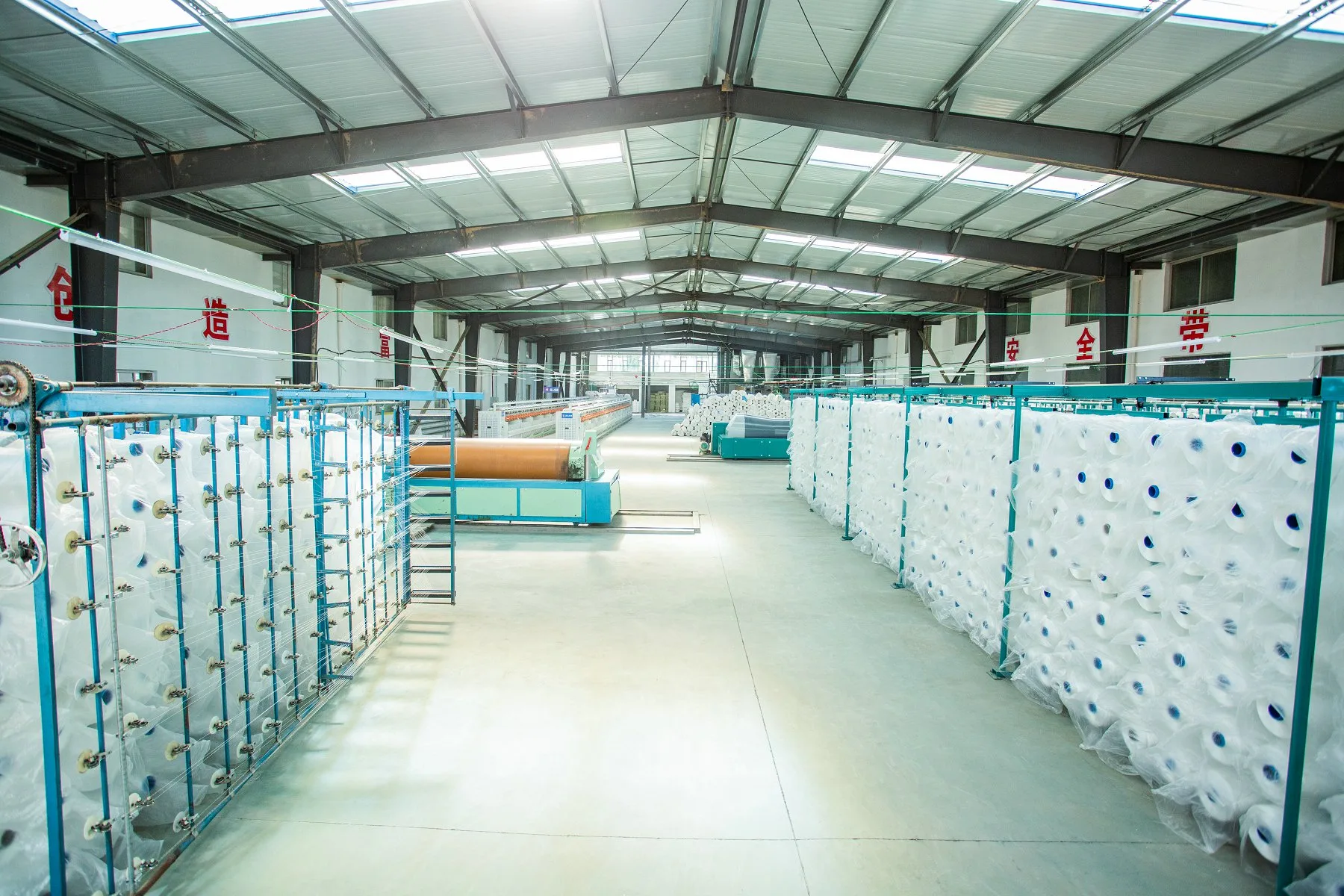
HydroBase manufactures all three variants of grouted mattress fabric formed concrete to GRI GT16. Our factory in Inner Mongolia produces 40,000 m²/day across 150+ production lines. Send us your project details — we will respond within 48 hours with a product recommendation and indicative price.
HydroBase Technical Team
HydroBase manufactures grouted mattresses (GRI GT16 compliant) in China and delivers to 30+ countries. Our engineering team provides specification support, grout mix design, and installation guidance.
About HydroBaseMore Articles
View all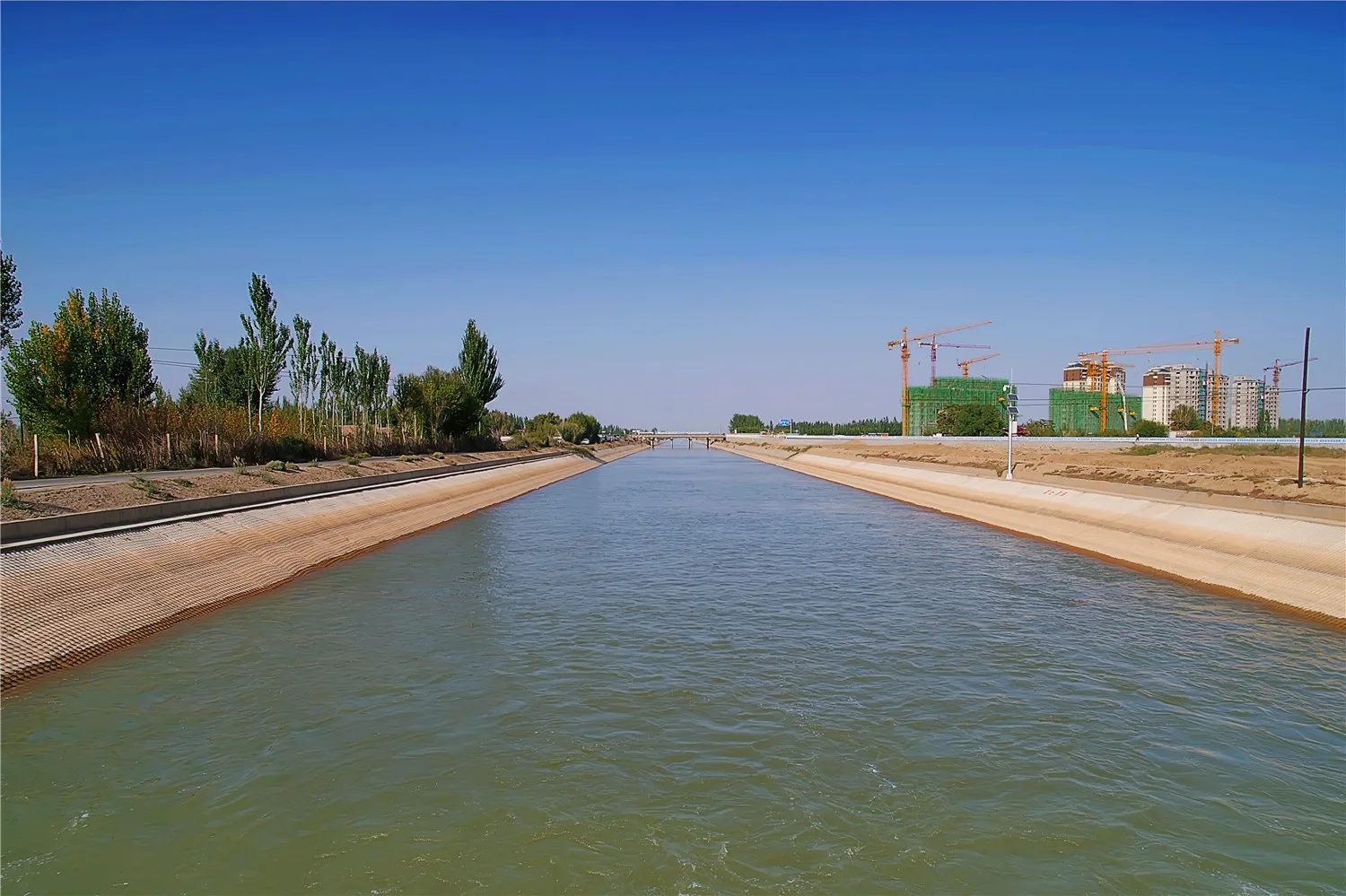
Grouted Mattress Case Studies: 5 Projects, Real Data
Five real grouted mattress installations across canal lining, river bank protection, coastal revetment, reservoir lining, and bridge pier scour — with actual project areas, design parameters, installation programmes, and post-installation performance data.
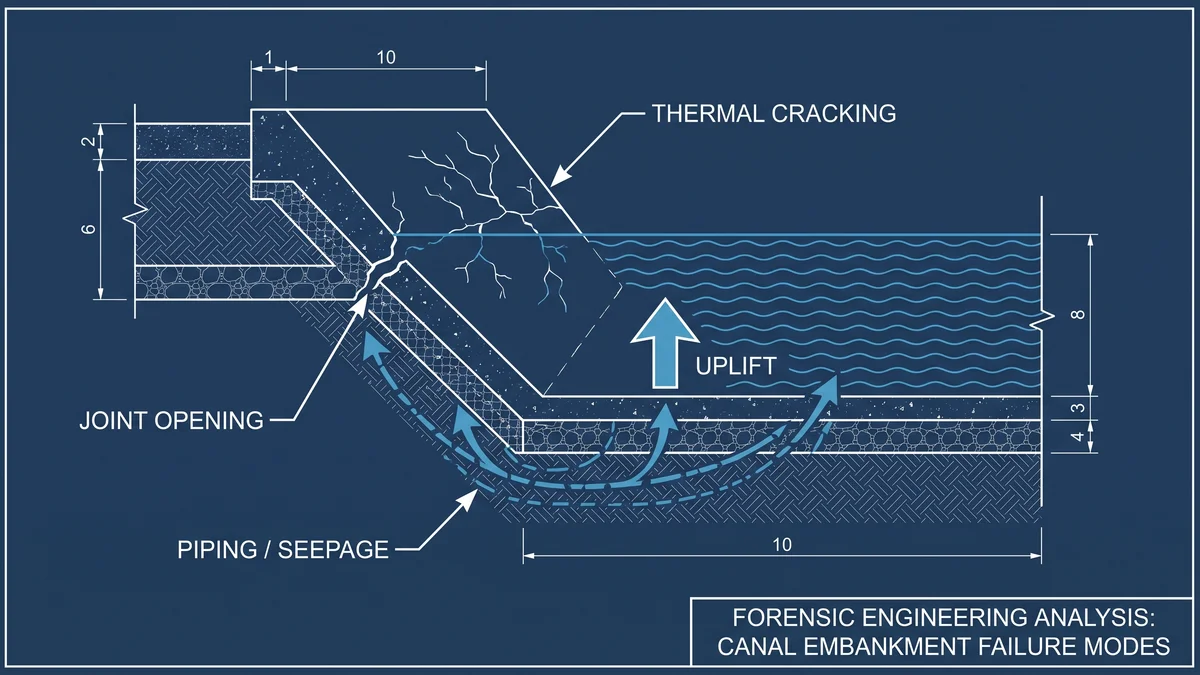
Canal Lining Failure: 7 Causes and How to Prevent Them
Canal lining failures cost irrigation authorities billions annually in emergency repairs and lost water. This forensic guide identifies the 7 most common failure causes — from joint failure to uplift — and explains how to prevent each through better specification and installation.
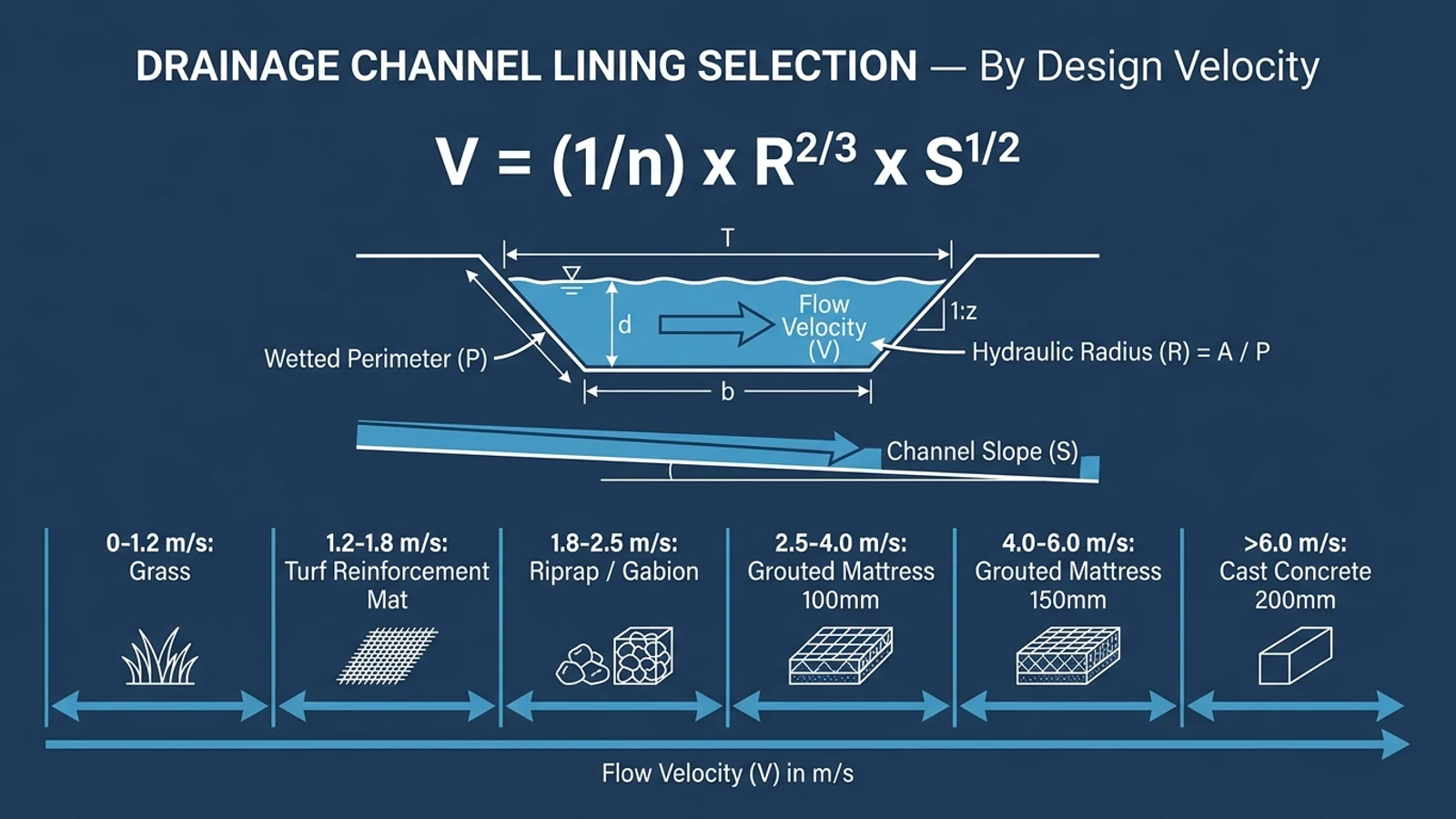
Drainage Channel Lining: Road and Infrastructure Guide
Drainage channels alongside roads, railways, and industrial sites carry high-velocity storm runoff that erodes unlined channels within seasons. This guide covers lining selection, hydraulic design, and installation for roadside drainage channels.
HydroBase - China Manufacturer
Ready to Specify Grouted Mattress?
GRI GT16 compliant products, factory test reports included. Engineering support at no cost. 48-hour response.