
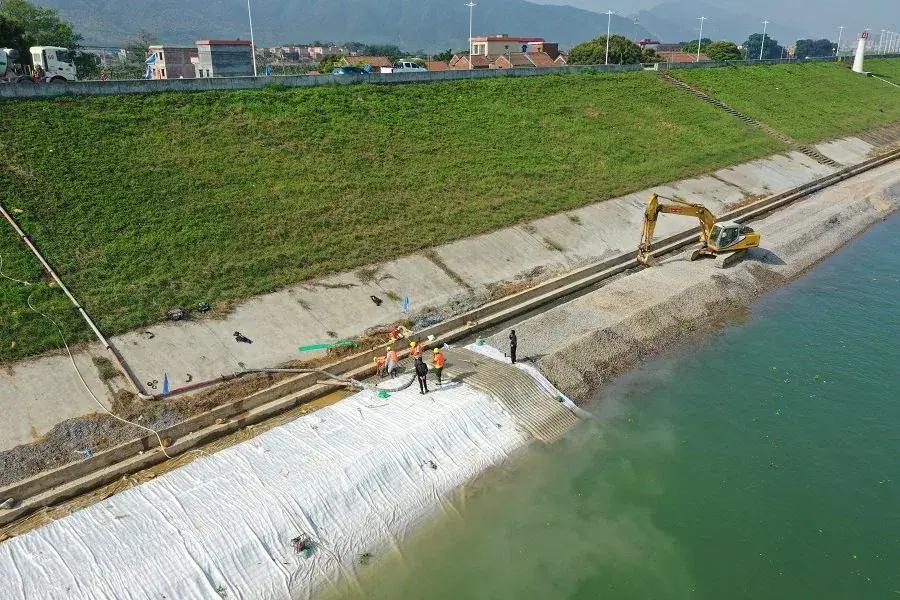
Streambank Erosion Control: Methods and Selection Guide
Quick Summary
Streambank erosion control spans bioengineering to full structural armor. This guide compares the methods by stream power, site tolerance, permitting and maintenance.
Streambank erosion control methods range from bioengineering (live stakes, brush layering, willow revetment) on low-energy streams with room for natural channel migration, through gabions and riprap on moderate-energy reaches, to grouted mattress or articulated concrete on high-energy reaches and sites with no tolerance for further bank retreat. The right method depends on stream power and how much lateral channel movement the site can tolerate, not on stream size.
Streambank erosion is the loss of bank material to flowing water. Stream power is the rate of energy dissipation per unit channel length, a function of discharge and slope. Bioengineering is the use of living plants, alone or with structure, to stabilise a bank.
Streambank erosion control is frequently treated as a single decision, "what do we armor the bank with", when it is really two decisions: how much natural channel migration the project can tolerate, and what stream power the selected method needs to resist. Getting the first decision right often changes which methods are even under consideration.
Method 1: Bioengineering
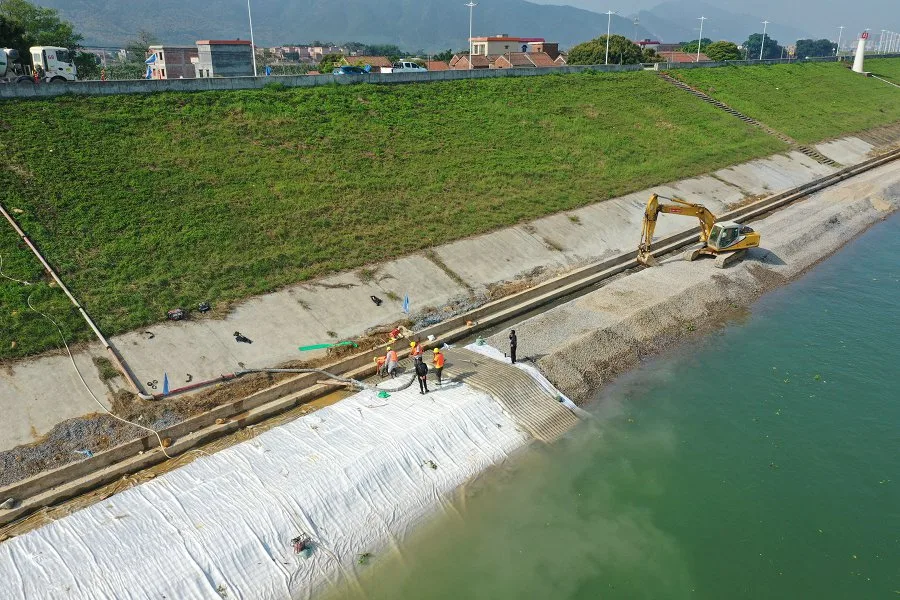
Live stakes, brush layering, willow revetment, and coir log toe protection use living plant material, often combined with natural fiber matting, to stabilise banks while allowing a degree of natural channel form and habitat value. Bioengineering is best suited to lower stream power reaches where some lateral migration is acceptable and where root systems will have time to establish before the next significant flow event. It has the least tolerance for high-energy or flashy flow regimes. Michigan State University Extension has a case study on rebuilding an eroding lake bank as a practical bioengineering example.
Method 2: Riprap
Graded rock placed on a geotextile filter layer is a widely used hard-armour streambank treatment. Rock size, filter design and toe detail come from the project hydraulic design. See River Bank Erosion Protection: 6 Methods Compared for how riprap compares with the full range of bank protection systems.
Method 3: Gabion Mattress
Wire-mesh baskets filled with rock provide a flexible, semi-permeable bank treatment that tolerates some differential settlement and sits between bioengineering and full structural armor in the energy it can resist. Wire corrosion in aggressive water chemistry is the primary long-term maintenance consideration.
Method 4: Grouted Mattress
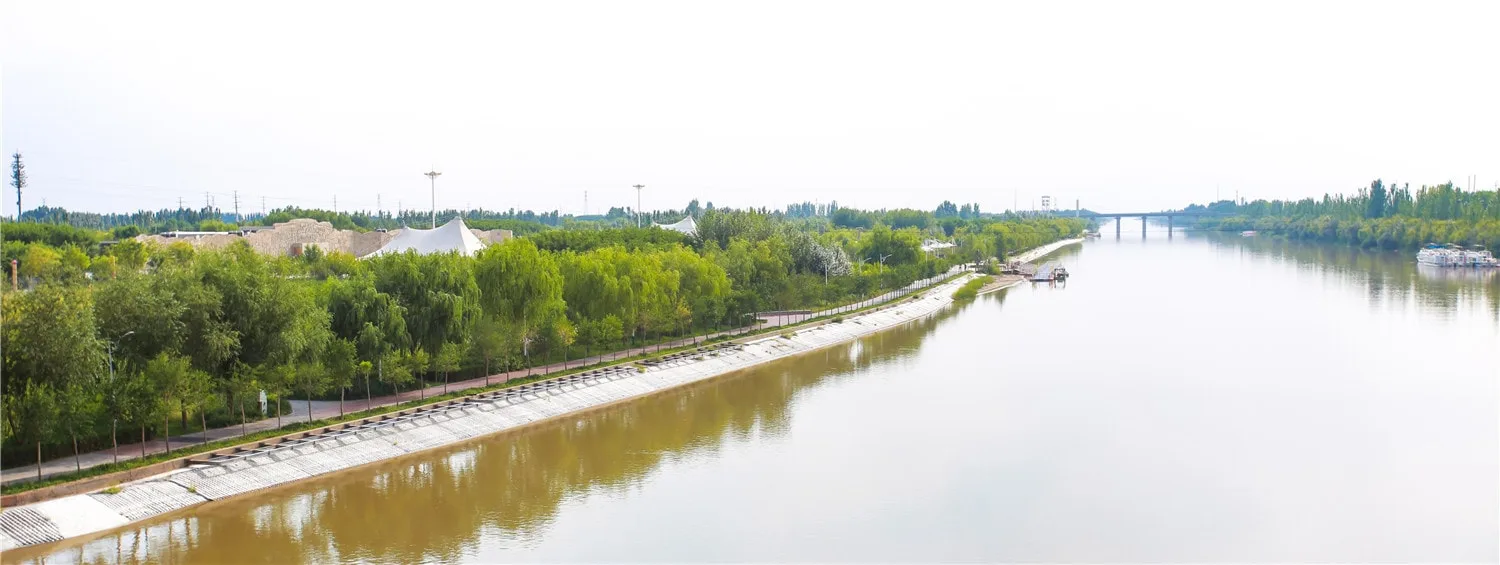
For high stream power reaches, bends with concentrated flow, urban channels with no room for lateral migration, or reaches next to bridges and other infrastructure, grouted mattress is a structural option. Thickness is chosen against the design velocity: 75 mm is rated to 2.5 m/s, 100 mm to 3.5 m/s, 150 mm to 4.5 m/s and 200 mm to 6.0 m/s. It does not require dewatering, and placement in the active channel is possible within the limits of the method statement, which helps on streams that cannot be diverted during construction.
Selecting by Stream Power and Site Tolerance
| Site Condition | Method to Consider |
|---|---|
| Low stream power, natural channel migration acceptable | Bioengineering (live stakes, brush layering) |
| Moderate stream power, some flexibility acceptable | Gabion mattress or riprap, where rock is locally available |
| High stream power, no lateral migration tolerance (urban, infrastructure-adjacent) | Grouted mattress |
| Cannot dewater or divert the channel during construction | Grouted mattress, placed within the limits of the method statement |
How Do You Estimate Stream Power in Practice?
Stream power per unit length of channel is the unit weight of water multiplied by discharge and slope. For illustration, with invented numbers, a design discharge of 50 m³ per second on a slope of 0.002 gives 9,810 multiplied by 50 multiplied by 0.002, which is about 980 W per metre of channel. The figure means little alone. Compare it with the stream power ranges reported in the stream stability literature and regional guidance that applies to your river, and ask a fluvial geomorphologist or hydraulic engineer to judge whether bioengineering alone is adequate. A reach with high stream power needs structural reinforcement, at least at the toe. For background on river mechanics, see FHWA HEC-20, Stream Stability at Highway Structures.
How Do You Lay Out a Hybrid Bank?
- Put hard armor, riprap or grouted mattress, along the toe and lower bank where shear is highest.
- Grade the upper bank to a stable slope and plant it with live stakes, brush layers or seeded matting.
- Protect the upstream and downstream ends so flow cannot get behind the structure.
- Add temporary protection while vegetation establishes.
When Should Permitting Start?
Before method selection is finalised. Work in or beside a watercourse usually needs environmental or water authority approval, and regulators often favor bioengineering on lower-energy reaches. A hard-armour proposal on such a reach may need extra justification, and a bioengineering proposal on a high-energy reach may be refused as unsafe. Settling the permitting route early avoids redesign.
How Do You Choose by Site Tolerance?
| Question | If yes | If no |
|---|---|---|
| Can the channel migrate laterally? | Bioengineering or soft methods become possible | Hard armor at least at the toe |
| Is stream power low? | Vegetation-based methods may hold | Gabion, riprap or mattress |
| Is infrastructure adjacent? | Grouted mattress for a small footprint | Other methods may suit the site |
| Can the channel be dewatered? | Rock-based methods are easier to build | Grouted mattress, placed in flow within the method statement |
| Is habitat value a permit driver? | Favour hybrid with a structural toe | Choose on hydraulics and site constraints |
How Should a Hybrid Scheme Be Monitored and Adjusted?
Treat the first two growing seasons as an observation period. Record vegetation survival on the upper bank and any toe exposure after floods. If the bioengineered upper bank holds and the toe is stable, no change is needed. If the upper bank is repeatedly damaged, extend the structural element upward in a second phase, rather than rebuilding the whole bank. Setting that trigger at design stage turns a possible failure into a planned phase.
What to Confirm Before You Choose a Bank Treatment
Before a method is named, answer four questions in writing. How much lateral movement can the site tolerate, and who owns the land the channel might move into? What stream power does the reach see, judged by a hydraulic engineer or fluvial geomorphologist rather than by stream size? Can the channel be dewatered or diverted during construction? And which authority approves work in or beside the water?
Then check the details that fail first. The toe usually governs, so decide how deep it goes and what protects it from undermining. Decide how the upstream and downstream ends tie into the existing bank so flow cannot get behind the work. Record the flood event that triggers an inspection.
If the scheme is a hybrid, write the monitoring trigger into the design now. Name the person who walks the reach after each large flow, what they record, and the condition that releases a second phase of structural work. A scheme with a plan for adjustment is easier to defend to a regulator than one that assumes it will hold.
Finally, check what the site will look like during construction. Access for plant, working width, stockpile space and the need to keep the channel flowing all shape which methods are practical. A method that suits the hydraulics but cannot reach the bank with the equipment it needs will be changed in the field, and field changes are the hardest to approve.
Where These Methods Stop Being the Answer
This guide frames the choice between bank treatments. It does not size any of them. Rock size, gabion basket design, grouted mattress thickness and the extent of planting are outputs of a hydraulic design, and they depend on discharge, slope, bank material and the flood events the owner designs for.
It also does not suit every reach. A bank failing through deep-seated slope movement, seepage out of the bank face or an undercut foundation needs geotechnical treatment first, and no surface armor will correct it. Reaches with active bed incision or a migrating channel need a river-scale assessment before any local bank work, or the scheme can fail because the channel around it keeps changing.
Permit conditions may rule out a method that is technically sound, and habitat requirements may dictate the form. The designer, the geotechnical engineer and the permitting authority settle those matters, not this article.
Preparing a Streambank Enquiry for HydroBase
If a grouted mattress belongs in the shortlist, collect the reach's design discharge and slope, the stream power or design velocity the designer has adopted, the bank geometry and the site constraints, and attach drawings. Thickness is selected within the 75 to 200 mm range against the design velocity.
Say whether the channel can be diverted, since that shapes the method statement. Panels are made at the factory in Inner Mongolia, China, with stock sizes dispatching in 3 to 5 days and custom-size panels taking 5 to 7 working days to produce. Pricing is by project. Use the contact page and the engineering team replies within 48 hours.
Sources and Further Reading
Open each document to confirm its current edition and scope before you rely on it.
- FHWA HEC-15, Design of Roadside Channels with Flexible Linings: Design of channels with flexible linings. Checked 2026-10-24 (link and title).
- FHWA HEC-11, Design of Riprap Revetment: Riprap revetment design. Checked 2026-10-24 (link and title).
- EPA, NPDES Stormwater Program: The US stormwater permitting program, relevant to erosion and sediment control. Checked 2026-10-24 (link and title).
- Caltrans, Local Assistance Erosion Control Design: Caltrans erosion control design resources. Checked 2026-10-24 (link and title).
- Utah State University Extension, emergency streambank protection: Extension publication on streambank protection. Checked 2026-10-24 (link and title).
Frequently Asked Questions
Can bioengineering and hard armor be combined on the same reach?
Yes. A common hybrid design uses hard armor (riprap or grouted mattress) at the toe, where stream power and shear stress are highest, with bioengineering treatments on the upper bank above normal water level. This combines structural reliability where it matters most with ecological value on the less hydraulically demanding upper bank.
How is stream power estimated for method selection?
Stream power per unit channel length is the product of the unit weight of water, discharge, and channel slope. The result is compared with ranges reported in stream stability literature and regional guidance to judge whether bioengineering alone is adequate or structural reinforcement is needed. A hydraulic engineer should make that judgment for the specific reach.
Does streambank protection require environmental permitting?
In most jurisdictions, yes. Work in or adjacent to a watercourse typically requires environmental or water authority permits, and bioengineering is frequently favoured by regulators on lower-energy reaches for its habitat value. Confirm permitting requirements before finalising method selection, as the permitting pathway can be as significant a project driver as the hydraulic design itself.
Send us your reach's discharge, slope, and site constraints and the HydroBase engineering team will reply within 48 hours. Project pricing is individual.
HydroBase Technical Team
HydroBase manufactures grouted mattresses (GRI GT16 compliant) in China and delivers to 30+ countries. Our engineering team provides specification support, grout mix design, and installation guidance.
About HydroBaseMore Articles
View all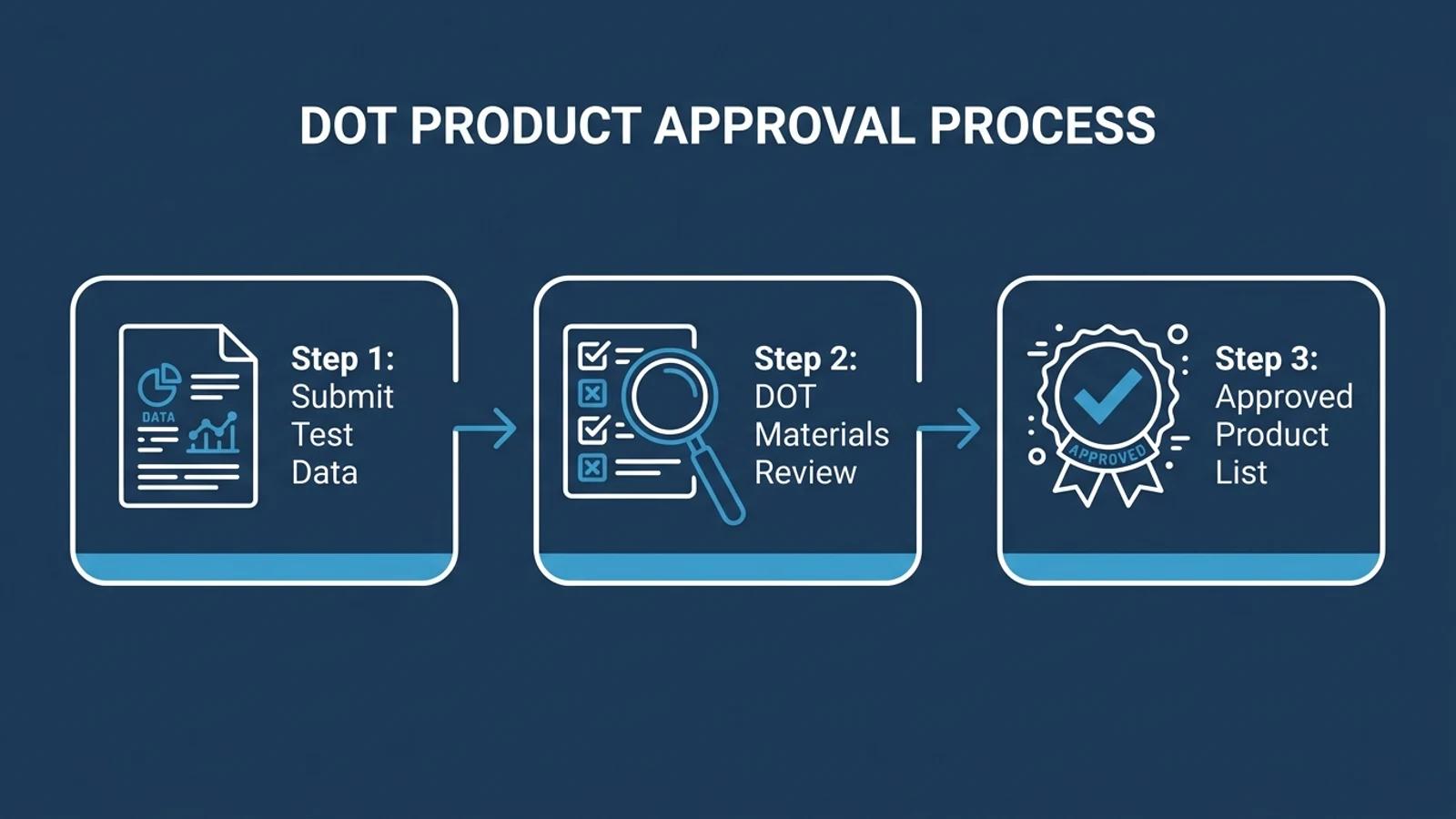
DOT Articulated Concrete Block Specification: How Approval and Alternates Work
State DOT specifications for articulating concrete block usually work through standard drawings and approved product lists. This guide explains the general process and how an alternate product is proposed.
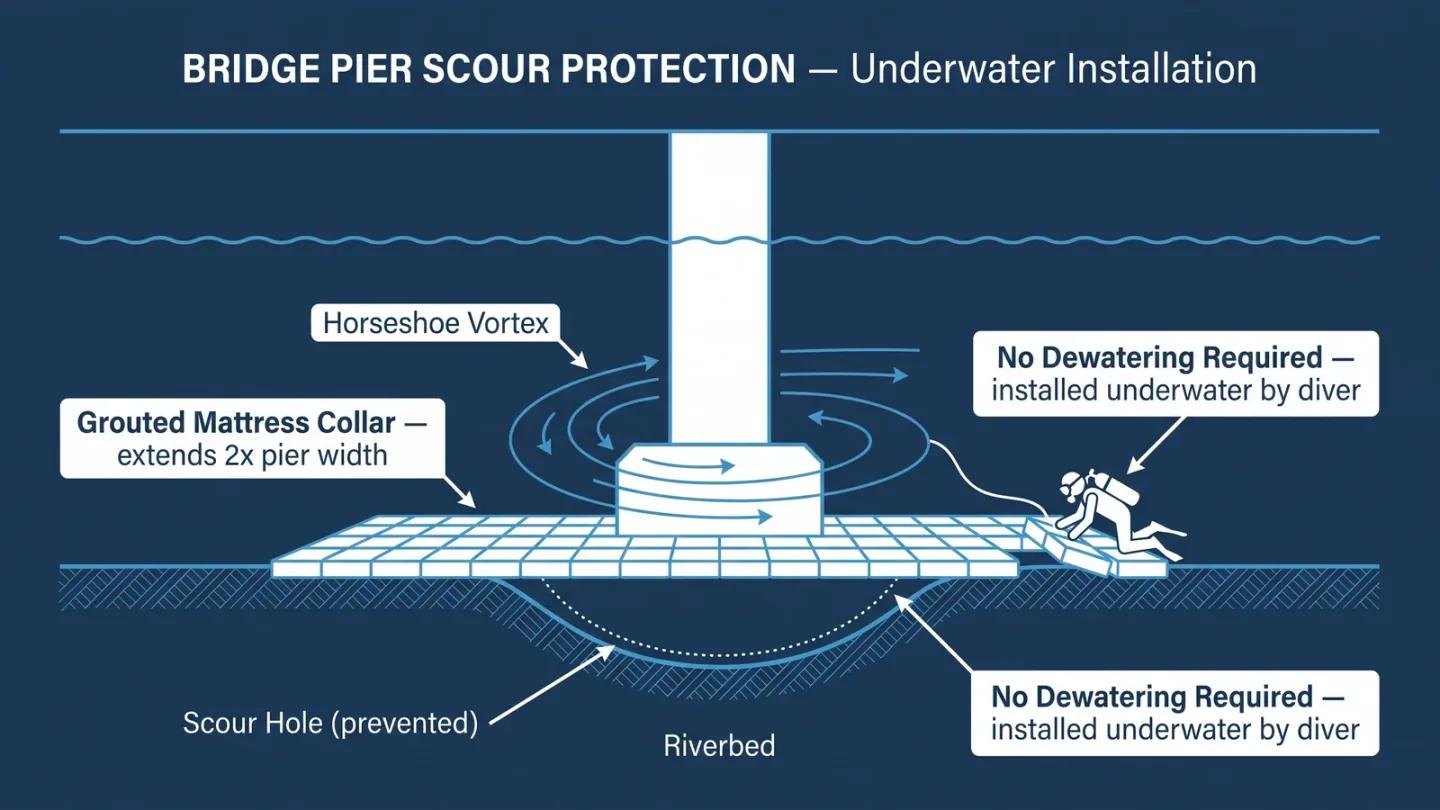
Scour Countermeasures: A Design Guide Beyond Riprap
Riprap is a common default scour countermeasure, but not always the right one. This guide compares the main scour countermeasures using the HEC-23 categories.
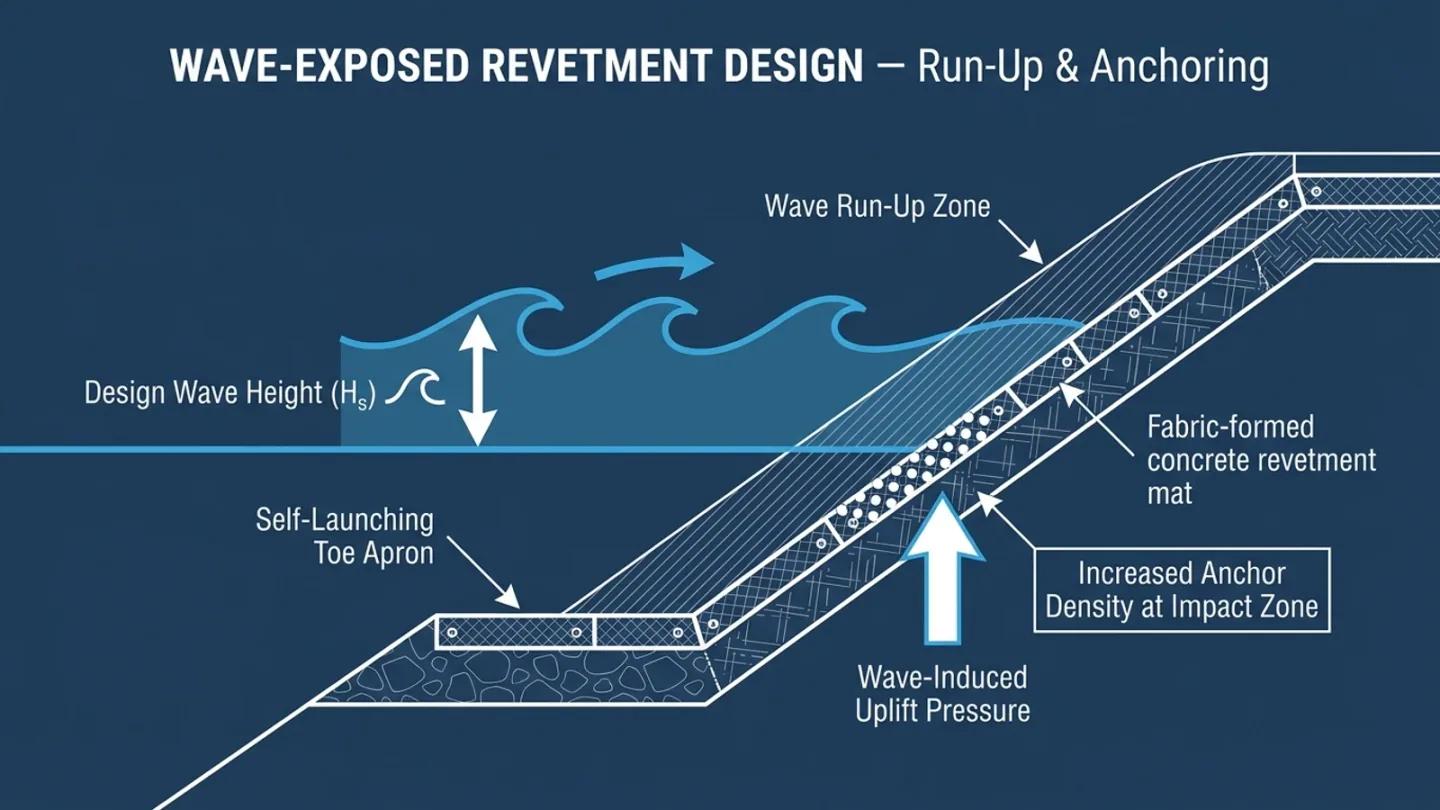
Fabric-Formed Concrete Revetment Mat: Design and Specification Guide
Fabric-formed concrete revetment mat is designed differently for wave-exposed faces than for river current. This guide covers thickness selection by rated velocity, wave design differences and toe detail.
HydroBase - China Manufacturer
Ready to Specify Grouted Mattress?
GRI GT16 compliant products, factory test reports included. Engineering support at no cost. 48-hour response.