
5 Slope Protection Methods: Which Is Right for You?
Quick Summary
Comparing grouted mattress, rip-rap, concrete panels, gabion baskets, and shotcrete for slope and embankment protection. Costs, advantages, and when to use each.
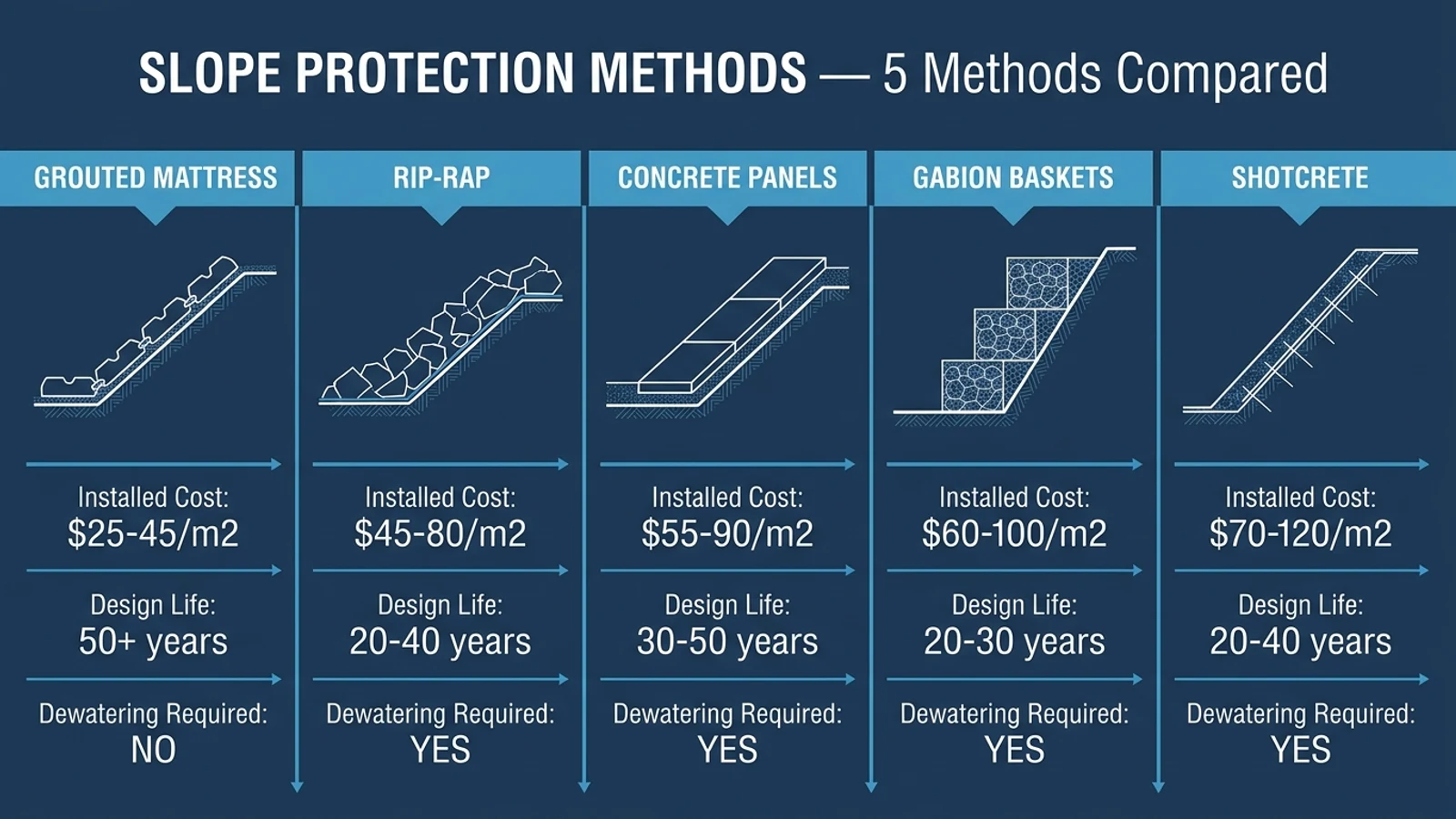
Quick Answer: For hydraulic slope protection — canal banks, reservoir faces, river embankments — grouted mattress offers the best combination of cost (typically $25–$45/m² installed, based on 2023–2025 project data from Southeast Asia), installation speed (no dewatering), and design life (50+ years). For steep vertical faces or sites with locally quarried rock, gabions or rip-rap may be more appropriate.
Slope erosion is one of the most pervasive problems in civil and hydraulic engineering. Whether it is a highway embankment, river levee, irrigation canal bank, or reservoir slope — the engineer must select a protection system that is durable, cost-effective, and achievable within the construction programme.
This comparison evaluates five widely used systems across the dimensions that matter most: installed cost, installation constraints, hydraulic performance, and long-term maintenance.
1. Grouted Mattress
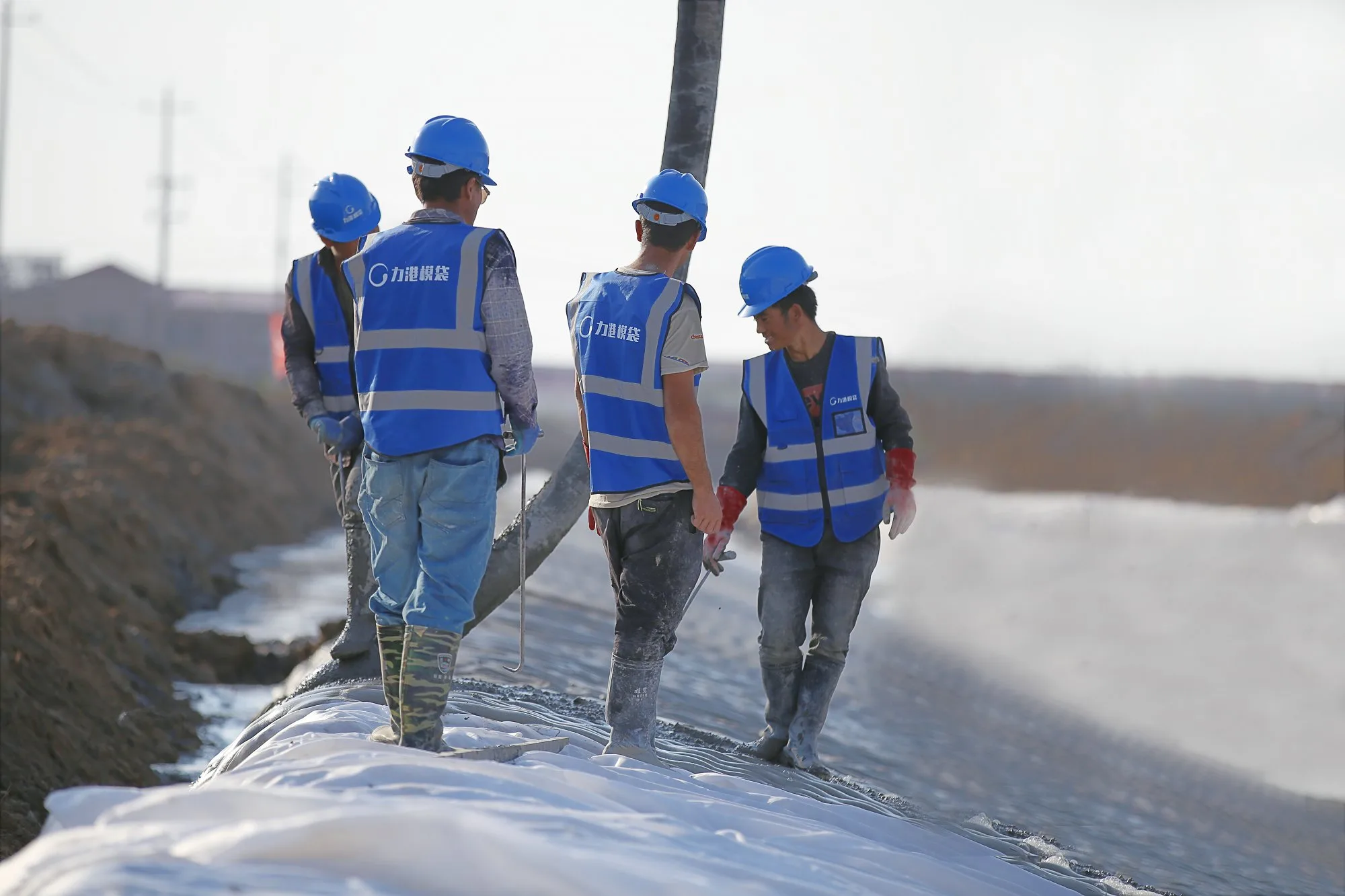
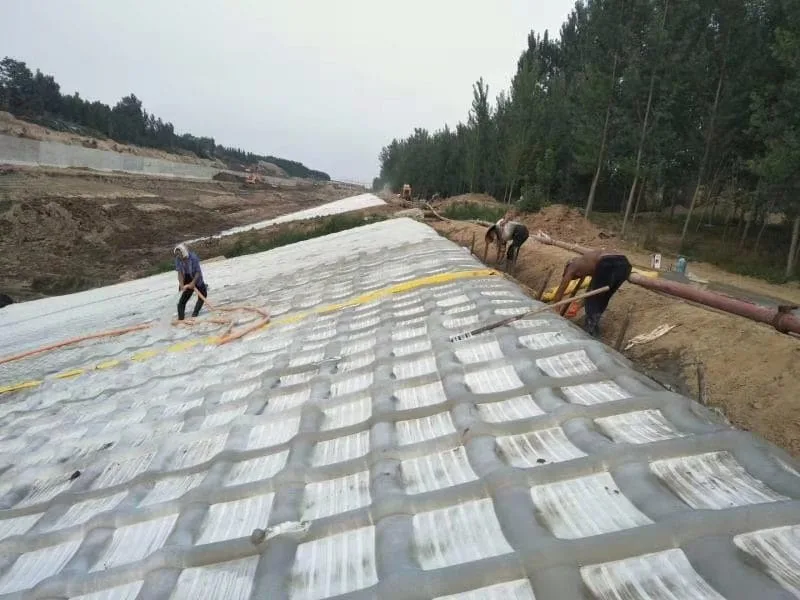
A geotextile grout-filled mattress is laid on the prepared slope and pumped full of cement grout using a standard concrete pump truck. The fabric expands to its design thickness (75–200 mm), conforms to the slope profile, and cures to form articulated concrete armour.
- Design velocity: up to 6.0 m/s (200 mm thickness) — highest of any flexible system
- Design life: 50+ years with minimal maintenance, per GRI GT16
- Dewatering required: No — installed in water up to 0.5 m/s
- Typical installed cost: $25–$45/m² (Southeast Asia / Middle East, 2023–2025)
Three fabric variants are available: Standard (impermeable, general use), Filter Point (drainage openings for tidal/artesian conditions), and Vegetated (open cells for ecological slope integration). See all slope protection products →
2. Rip-Rap
Graded rock is placed on a non-woven geotextile filter layer. The weight and interlocking of rock pieces resists displacement. Performance depends entirely on correct rock sizing.
- Design velocity: up to ~4.5 m/s (very large rock required)
- Design life: 20–40 years; displacement risk after extreme events
- Dewatering required: Yes — filter layer requires a dry surface
- Typical installed cost: $45–$80/m² (highly location-dependent; rock haulage is often the dominant cost)
For a detailed head-to-head comparison see Grouted Mattress vs Rip-Rap. The CIRIA Rock Manual (C742) provides comprehensive guidance on rip-rap sizing and placement for UK/European projects.
3. Concrete Panel Lining
Precast or in-situ concrete panels are placed in a regular grid with expansion joints, with joint sealant and concrete quality typically verified against ASTM concrete standards. Rigid panels cannot follow irregular subgrade profiles — a 10 mm differential settlement creates a joint that channels flow and initiates piping beneath the panel.
- Design life: 30–50 years, but joint failure can lead to premature degradation
- Dewatering required: Yes
- Typical installed cost: $55–$90/m²
4. Gabion Baskets
Wire mesh cages filled with rock form a flexible, permeable revetment that conforms to slope geometry and tolerates differential settlement.
- Design velocity: up to 3.5 m/s (dependent on rock fill size)
- Design life: 20–30 years in non-aggressive environments; wire corrosion limits life in saline or acidic conditions
- Typical installed cost: $60–$100/m²
5. Shotcrete (Sprayed Concrete)
Concrete is sprayed at high velocity onto the prepared slope, typically over welded wire mesh reinforcement, building to 75–150 mm in multiple passes.
- Design life: 20–40 years; delamination and cracking are common failure modes on soil slopes
- Typical installed cost: $70–$120/m²
- Best for: rock cut stabilisation, tunnel portals, competent rock faces
How Do You Choose the Right Slope Protection Method?
| Project Requirement | Recommended System |
|---|---|
| No dewatering available / active channel | Grouted mattress |
| Rock locally quarried at low cost | Rip-rap or grouted mattress |
| Vegetation required for ecology | Vegetated grouted mattress |
| Porewater drainage required (tidal / artesian) | Filter Point grouted mattress |
| Steep vertical face or retaining wall toe | Gabion baskets |
| Rock cut or competent rock face | Shotcrete |
| Low long-term maintenance budget | Grouted mattress |
| High design velocity (>4.5 m/s) | Grouted mattress 150–200 mm |
What Does Each System Cost and How Does It Perform?
| System | Installed Cost | Design Life | Maintenance |
|---|---|---|---|
| Grouted Mattress | $25–$45/m² ¹ | 50+ years | Minimal |
| Rip-Rap | $45–$80/m² ¹ | 20–40 years | After each major flood |
| Concrete Panels | $55–$90/m² ¹ | 30–50 years | Annual joint resealing |
| Gabion Baskets | $60–$100/m² ¹ | 20–30 years | 5-year wire inspection |
| Shotcrete | $70–$120/m² ¹ | 20–40 years | Annual delamination check |
¹ Indicative installed cost ranges based on 2023–2025 project data from Southeast Asia, the Middle East, and China. Costs vary significantly by region, material availability, and project scale. These figures are provided for comparative purposes only — request a site-specific quotation for budget planning.
Frequently Asked Questions
Can grouted mattress be used on slopes steeper than 1:1?
Standard grouted mattress is suitable on slopes up to approximately 1:0.75 (53°). On steeper slopes, the fabric must be fully anchored before pumping to prevent sliding. HydroBase provides anchor systems for slopes up to 1:0.5. Beyond this angle, gabion or shotcrete systems are more practical.
Which system is best for a reservoir with rapid drawdown?
Rapid drawdown creates high porewater pressures in the slope behind the lining. If the lining is impermeable, these pressures cannot dissipate and can cause uplift and blowout. The correct solution is the Filter Point grouted mattress, which allows controlled drainage while maintaining erosion protection. The CIRIA C742 guidance provides detailed drainage design requirements for dam face protection.
Is there a minimum slope angle for grouted mattress?
No — grouted mattress can be installed on horizontal surfaces (channel inverts, pond liners, flat revetments) and on all slopes. On near-horizontal surfaces, start pumping from the lowest point and work upward to prevent air pockets.
Send the HydroBase engineering team your site parameters — slope angle, design velocity, subgrade conditions, and ecological requirements — and we will recommend the most appropriate system within 48 hours.
HydroBase Technical Team
HydroBase manufactures grouted mattresses (GRI GT16 compliant) in China and delivers to 30+ countries. Our engineering team provides specification support, grout mix design, and installation guidance.
About HydroBaseMore Articles
View all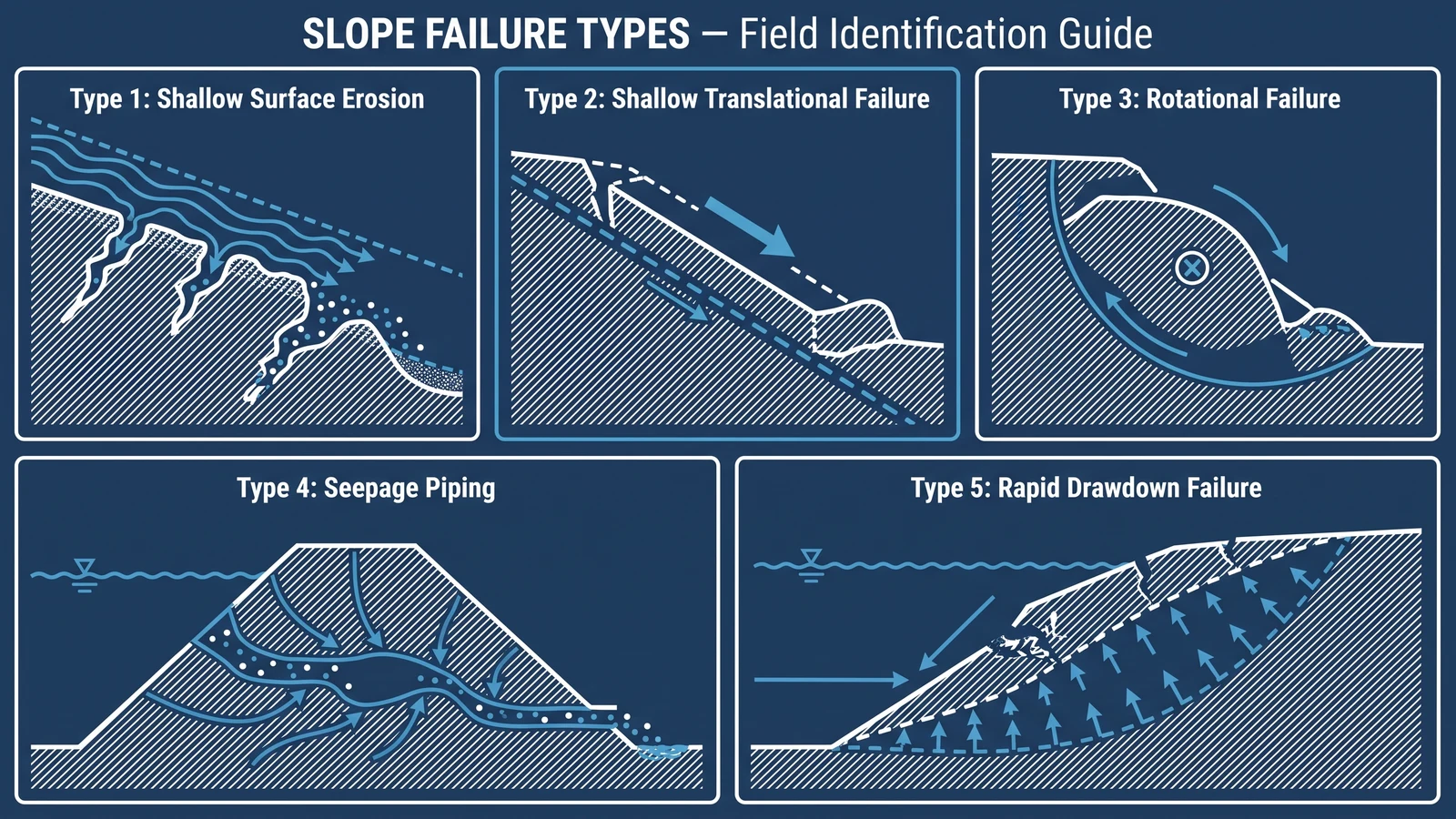
Slope Failure Causes and Prevention: Field Guide
Slope failures on canal embankments, reservoir faces, and road cuttings follow recognisable patterns. This field guide covers the five main slope failure types — shallow surface erosion, shallow translational, rotational, piping, and rapid drawdown — with prevention measures for each.
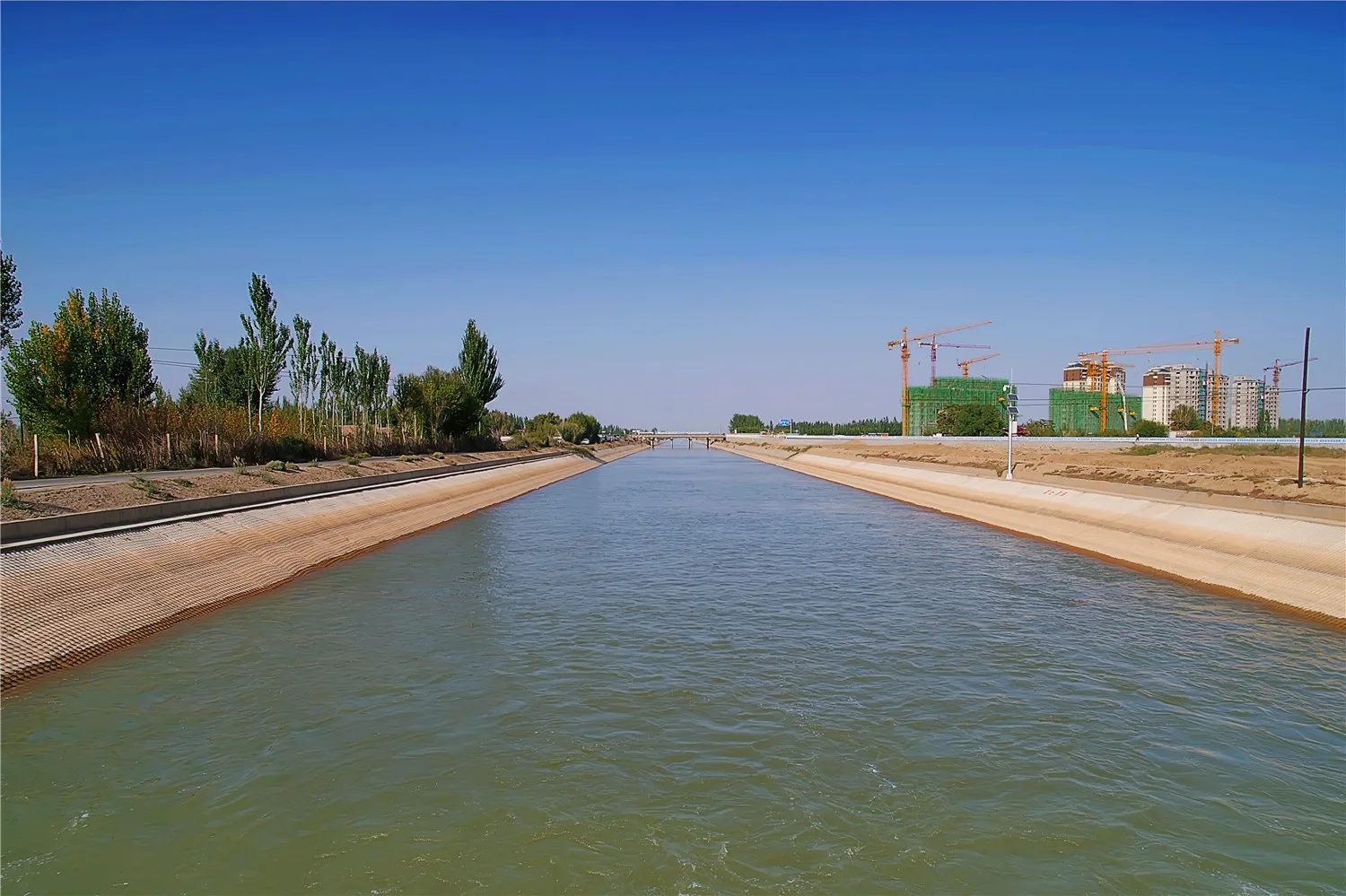
Grouted Mattress Case Studies: 5 Projects, Real Data
Five real grouted mattress installations across canal lining, river bank protection, coastal revetment, reservoir lining, and bridge pier scour — with actual project areas, design parameters, installation programmes, and post-installation performance data.
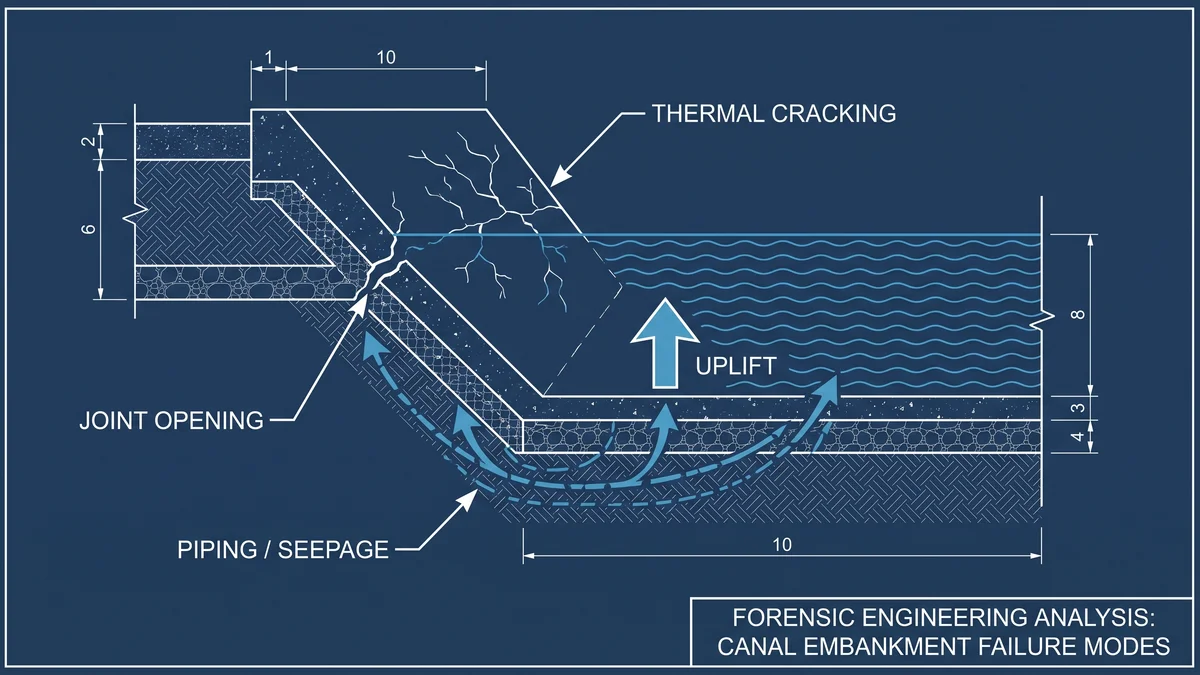
Canal Lining Failure: 7 Causes and How to Prevent Them
Canal lining failures cost irrigation authorities billions annually in emergency repairs and lost water. This forensic guide identifies the 7 most common failure causes — from joint failure to uplift — and explains how to prevent each through better specification and installation.
HydroBase - China Manufacturer
Ready to Specify Grouted Mattress?
GRI GT16 compliant products, factory test reports included. Engineering support at no cost. 48-hour response.