
Grouted Mattress vs Riprap: Which Is Better?
Quick Summary
A head-to-head comparison of grouted mattress and rip-rap for irrigation canal lining. Cost, installation speed, hydraulic performance, and long-term maintenance — all covered.
Quick Answer: For most irrigation canal lining projects, grouted mattress is cheaper (typically $25–$45/m² vs $45–$80/m² for rip-rap, based on 2023–2025 project data from Southeast Asia and the Middle East), installs three to four times faster, and requires no dewatering — making it the preferred choice wherever rock is not locally quarried.
The choice between grouted mattress and rip-rap (loose rock armour) is one of the most common decisions in canal lining design. Both systems provide hydraulic erosion protection, but they differ fundamentally in cost, installation constraints, hydraulic predictability, and long-term maintenance burden.
This comparison covers every dimension needed to make the right call — from Manning's roughness coefficient to post-flood repair costs. New to grouted mattresses? Start with What Is a Grouted Mattress first.
What Is the Difference Between Grouted Mattress and Rip-Rap?
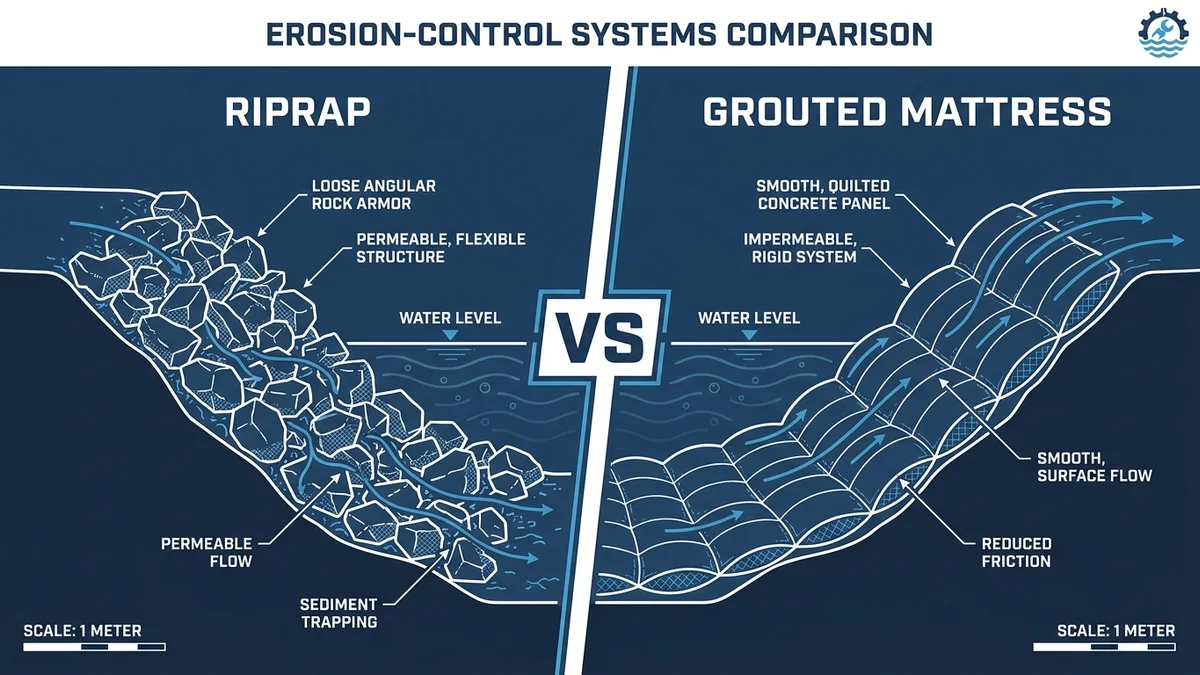
Rip-rap is a layer of graded rock placed on a prepared slope or channel bed over a non-woven geotextile filter layer. The weight and interlocking of the rock pieces resist hydraulic displacement. Performance depends entirely on correct rock sizing — undersized rock is mobile under design flow; oversized rock is expensive and difficult to source.
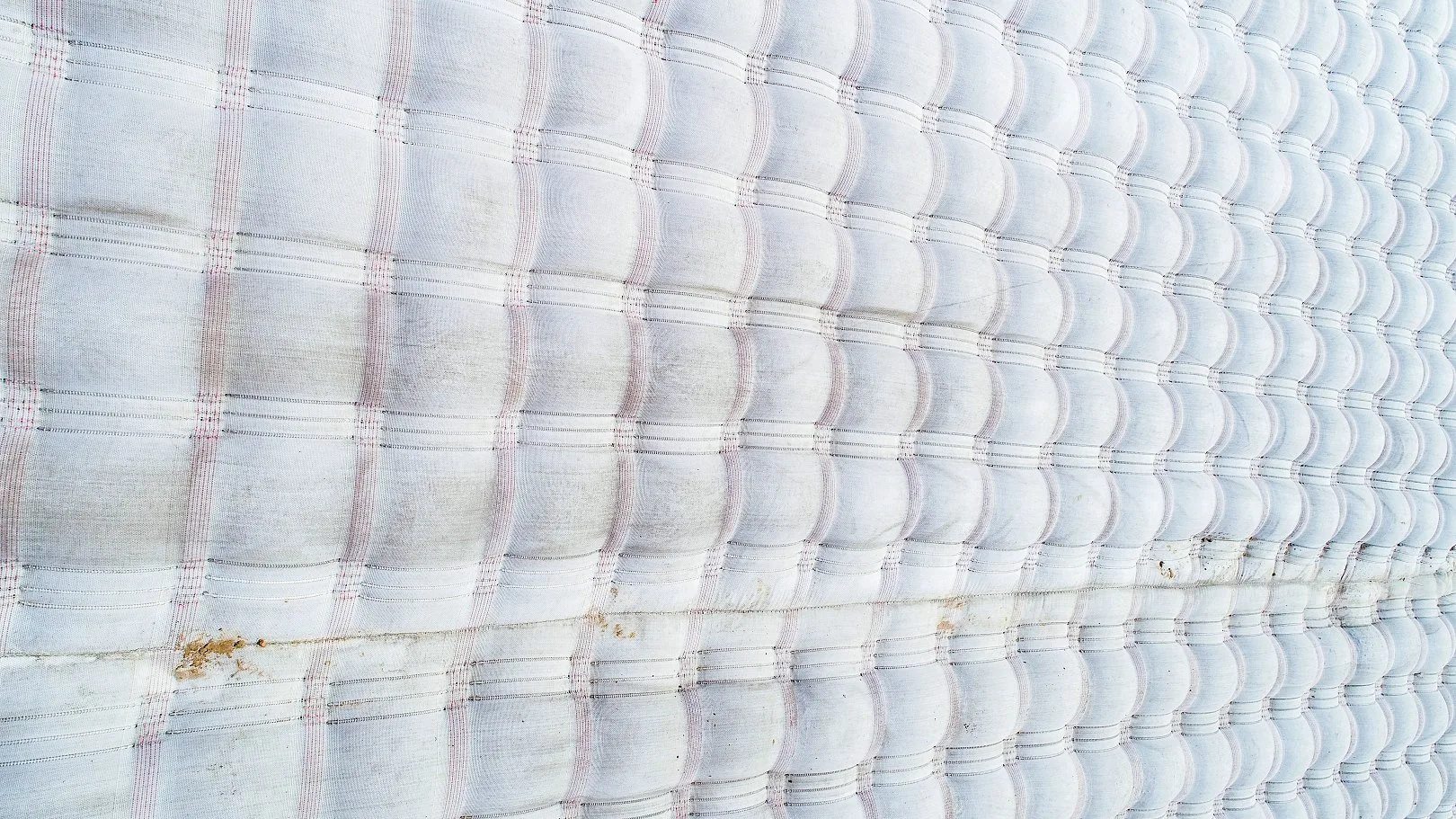
Grouted mattress is a Geotextile Grout-Filled Mattress (GGFM) — two layers of woven polypropylene fabric stitched into a grid and pumped full of cement grout on site. Once cured, it forms a continuous, articulated concrete armour that does not rely on gravity or interlock for stability.
Which System Installs Faster?
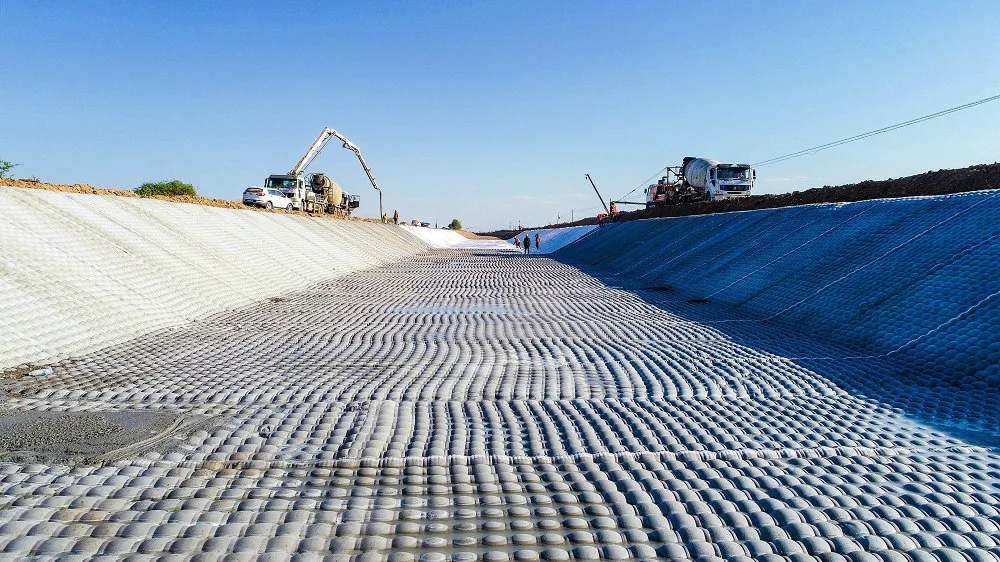
Rip-rap requires a dewatered channel — the filter layer cannot be placed in flowing water. In active irrigation systems, dewatering means shutting down water supply to downstream users, often for weeks. Rock must be precisely graded (D50 determined by hydraulic design), requiring either on-site crushing or haulage from a quarry. In remote agricultural regions, rock haulage can represent 30–40% of total project cost. Typical installation rate: 200–400 m²/crew/day.
Grouted mattress does not require dewatering. The fabric can be deployed and pumped in water flowing at up to 0.5 m/s — irrigation supply can remain active. The only plant required is a standard concrete pump truck (the most common piece of equipment in any contractor's fleet) and ready-mixed fine-aggregate grout. Typical installation rate: 800–1,200 m²/pump unit/shift — 3–4× faster than rip-rap.
Seepage losses in unlined irrigation canals average 25–40% of total diverted volume in arid regions, according to studies published by the International Commission on Irrigation and Drainage (ICID) and the FAO Irrigation and Drainage Paper series — a primary economic driver for canal lining projects, and a major benefit of impermeable grouted mattress over permeable rip-rap.
Which System Costs Less to Install?
| Cost Component | Rip-Rap | Grouted Mattress |
|---|---|---|
| Primary material | Graded rock (quarried or crushed) | Woven geotextile + cement grout |
| Secondary material | Non-woven filter geotextile required | Not required |
| Dewatering | Required — pumping cost + supply interruption | Not required |
| Rock haulage | High and highly site-specific | None (grout batched locally) |
| Installation rate | 200–400 m²/day/crew | 800–1,200 m²/day/pump unit |
| Typical installed cost | $45–$80/m² ¹ | $25–$45/m² ¹ |
| Programme impact | High — channel out of service | Low — works during operation |
¹ Indicative cost data from irrigation and canal rehabilitation projects in Southeast Asia and the Middle East, 2023–2025. Costs vary significantly by region, aggregate haulage distance, and order volume. Request a site-specific quotation for accurate pricing.
How Does Each System Perform at High Flow Velocities?
Rip-rap performance is inherently variable. Rock grading in the field rarely matches the design D50 precisely, and the Manning's roughness coefficient n varies with rock size, roundness, and placement. Engineers typically assign n = 0.025–0.035 to rip-rap — but real values can be higher.
Grouted mattress provides a uniform, predictable surface. The GRI GT16 standard mandates a consistent fabric structure that yields Manning's n ≈ 0.013–0.016 — comparable to smooth concrete — simplifying hydraulic design. Grouted mattress also eliminates the filter layer required beneath rip-rap, removing both a cost item and a potential failure plane.
Which System Requires Less Maintenance Over 50 Years?
Rip-rap is vulnerable to displacement during high-velocity flood events. When the design velocity is exceeded, individual stones migrate downstream, leaving gaps that grow rapidly under continued flow. Post-flood re-grading requires the channel to be dewatered again — a recurring cost over the system's lifetime.
Grouted mattress does not displace. Once cured, it behaves as monolithic concrete armour with a design life exceeding 50 years. Maintenance is limited to visual inspection after major flood events and localised grout repair if damage is observed.
When Should You Choose Grouted Mattress Over Rip-Rap?
| Project Scenario | Recommended System |
|---|---|
| Rock quarried on-site at negligible haulage cost | Either; rip-rap may be cheaper |
| Rock must be hauled more than 50 km to site | Grouted mattress |
| Channel cannot be dewatered during construction | Grouted mattress |
| Flow velocity exceeds 3 m/s | Grouted mattress (100–150 mm) |
| Vegetated surface required for ecology | Vegetated grouted mattress |
| Short-term / temporary protection only | Rip-rap acceptable |
| Low long-term maintenance budget | Grouted mattress |
Frequently Asked Questions
Can grouted mattress be used on the channel invert as well as slopes?
Yes — grouted mattress is commonly specified on both side slopes and the invert of trapezoidal and rectangular canals. Different mattress thicknesses can be specified for each zone where velocities differ. See the canal lining product page for typical cross-section details.
Does grouted mattress work in saltwater or brackish irrigation canals?
Yes. The woven polypropylene geotextile is chemically inert and unaffected by salt, sulphates, or mild acids. The cement grout is specified to the same durability class used for marine concrete structures. For coastal revetments or tidal canals, use the Filter Point variant to prevent hydrostatic uplift under tidal reversal — the standard impermeable face can trap porewater pressure behind it in those conditions.
What if the mattress is damaged by flood debris?
Localised damage can be repaired by removing the damaged panel section and pumping new grout into a replacement fabric patch, or by applying concrete repair mortar to surface cracks. This is far simpler than re-grading displaced rip-rap, which requires the channel to be dewatered again.
Want a project-specific number? Send the HydroBase engineering team your canal dimensions, design flow velocity, and location. We will prepare a detailed cost comparison — at no cost, within 48 hours.
HydroBase Technical Team
HydroBase manufactures grouted mattresses (GRI GT16 compliant) in China and delivers to 30+ countries. Our engineering team provides specification support, grout mix design, and installation guidance.
About HydroBaseMore Articles
View all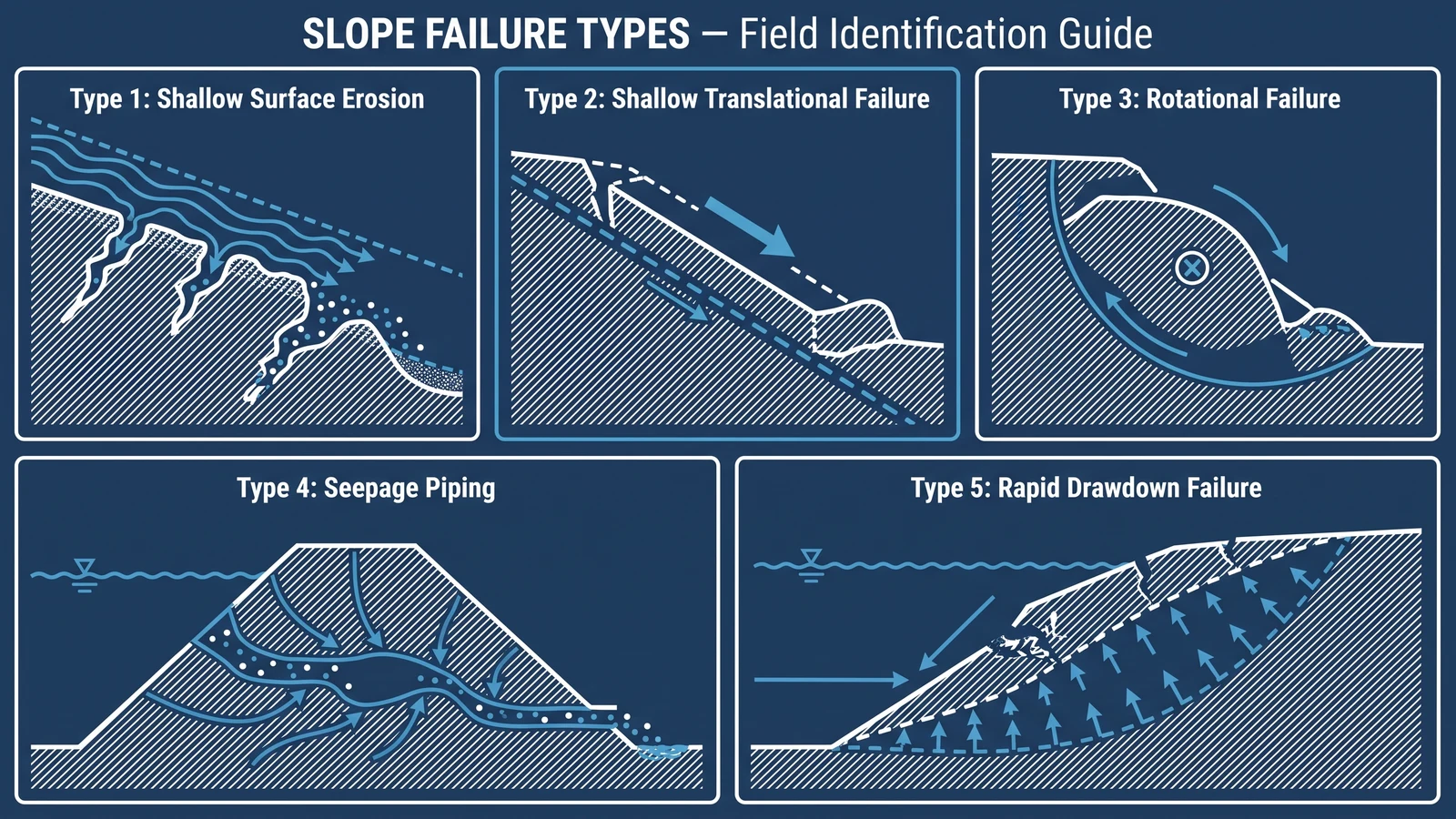
Slope Failure Causes and Prevention: Field Guide
Slope failures on canal embankments, reservoir faces, and road cuttings follow recognisable patterns. This field guide covers the five main slope failure types — shallow surface erosion, shallow translational, rotational, piping, and rapid drawdown — with prevention measures for each.
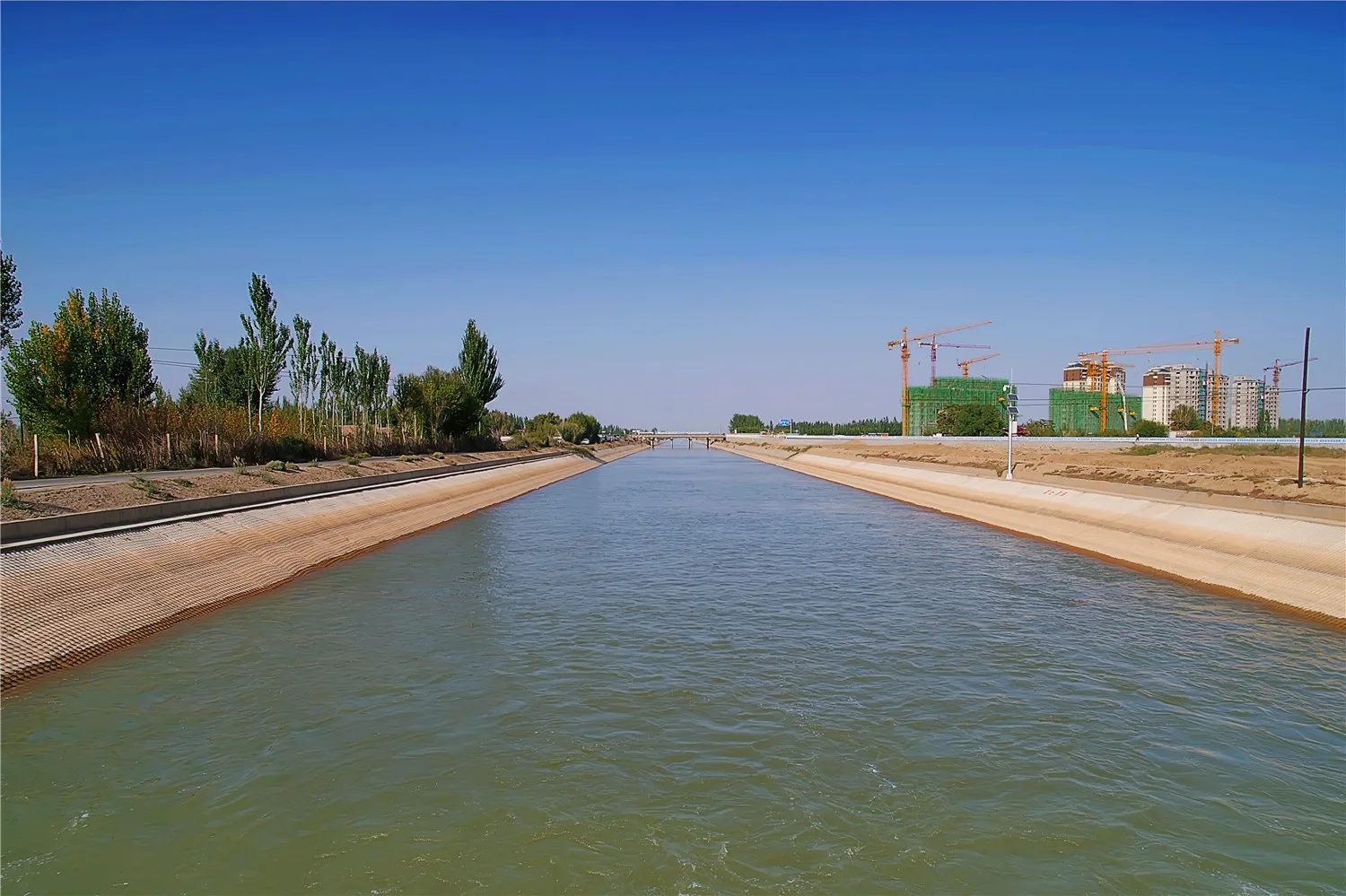
Grouted Mattress Case Studies: 5 Projects, Real Data
Five real grouted mattress installations across canal lining, river bank protection, coastal revetment, reservoir lining, and bridge pier scour — with actual project areas, design parameters, installation programmes, and post-installation performance data.
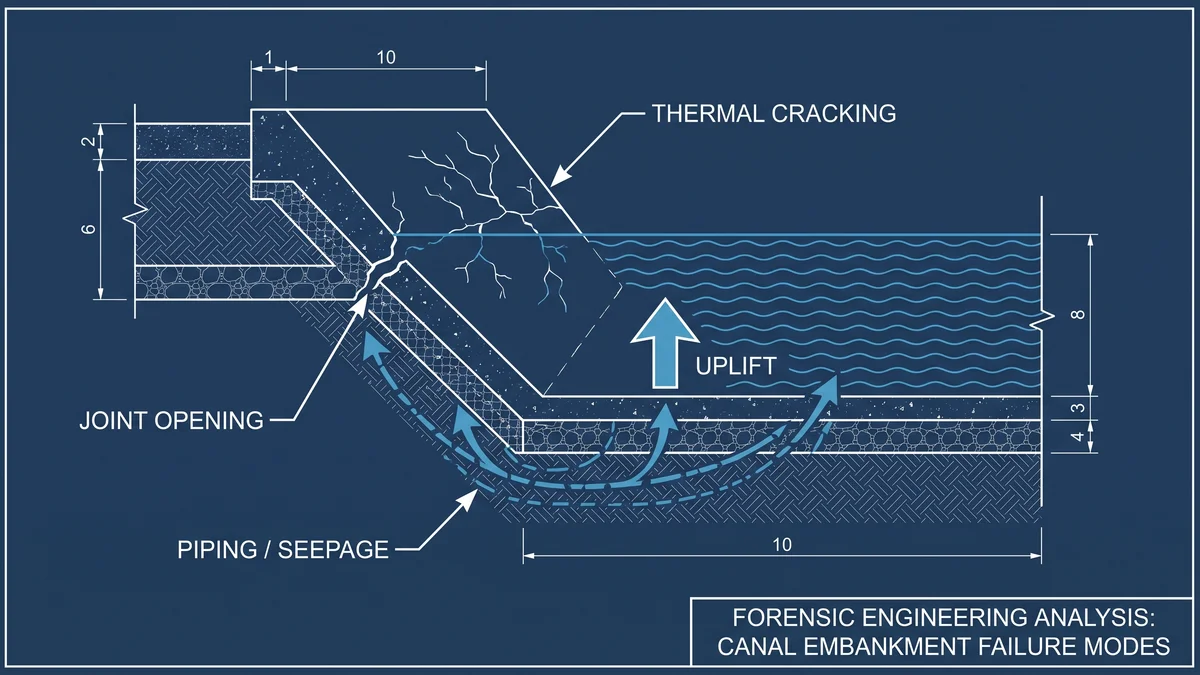
Canal Lining Failure: 7 Causes and How to Prevent Them
Canal lining failures cost irrigation authorities billions annually in emergency repairs and lost water. This forensic guide identifies the 7 most common failure causes — from joint failure to uplift — and explains how to prevent each through better specification and installation.
HydroBase - China Manufacturer
Ready to Specify Grouted Mattress?
GRI GT16 compliant products, factory test reports included. Engineering support at no cost. 48-hour response.